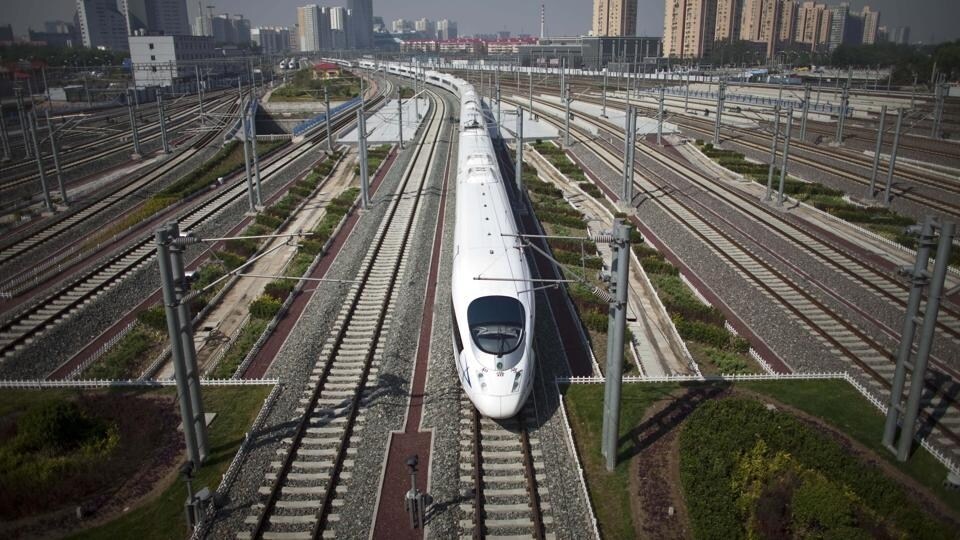
The Union Budget 2026-27 marks a significant step in India's infrastructure ambitions with the announcement of seven high-speed rail corridors designed as development linkages fostering faster, sustainable connectivity between key urban and economic centers. Finance Minister Nirmala Sitharaman highlighted these corridors to enhance passenger mobility while reducing logistics costs and environmental impact. The specific routes are Mumbai–Pune linking financial capital western industrial hub, Pune–Hyderabad connecting Maharashtra IT-manufacturing corridor, Hyderabad–Bengaluru and Hyderabad–Chennai strengthening southern tech triangle, Chennai–Bengaluru direct high-speed for coastal knowledge economies, Delhi–Varanasi tying national capital cultural heritage tourism belt, and Varanasi–Siliguri extending eastern connectivity North Bengal Northeast gateway.
These projects aim to slash travel times between major financial, technology, manufacturing, and emerging cities, promoting cleaner rail-based transport over road aviation for inter-city movement. The initiative supports broader goals turning Tier II/III cities into City Economic Regions with enhanced high-speed links logistics urban investment attracting businesses residents. Part of record infrastructure capex, it complements dedicated freight corridors rare earth mineral transport chains industrial cluster revivals. Economic benefits expected include boosted trade tourism labour mobility reduced congestion lower emissions aligning sustainability commitments. Implementation details timelines funding models not specified but vibe long-term vision positioning India competitive global supply chains digital economy. In my view, transformative potential connectivity multiplier—faster links vibe catalyzing regional growth jobs innovation balanced development diverse geography. Hoping timely execution public-private partnerships overcoming land regulatory hurdles delivering promised linkages prosperity interconnected India.
Vibe View:
The vibe of these seven high-speed rail corridor announcements in Budget 2026 is visionary and connective, like stitching India's economic fabric tighter with faster greener threads linking bustling hubs to emerging centers. It's got that ambitious momentum energy—Mumbai-Pune vibe financial western boost, southern triangle Hyderabad Bengaluru Chennai vibe tech knowledge corridor supercharge, Delhi Varanasi Siliguri vibe cultural eastern extension opening Northeast gateways. Overall vibe sustainable development—cleaner passenger mobility reducing road aviation dependence vibe environmental responsibility amid climate pressures. Broader vibe regional balancing poll-bound areas indirect benefits through networks vibe thoughtful federal approach. Positive vibe long-term multiplier—slashed travel times vibe sparked business tourism labour flows urban expansion Tier II/III cities investment magnets. Hoping vibe translates reality timely execution partnerships overcoming typical delays land acquisition funding hurdles. Exciting vibe future India—high-speed interconnected diverse regions leveraging strengths demographics digital manufacturing global stage.
TL;DR
- Seven high-speed rail corridors announced development linkages sustainable mobility.
- Routes: Mumbai–Pune, Pune–Hyderabad, Hyderabad–Bengaluru, Hyderabad–Chennai, Chennai–Bengaluru, Delhi–Varanasi, Varanasi–Siliguri.
- Connect financial hubs tech centers manufacturing clusters emerging cities.
- Reduce travel times boost trade tourism labour mobility lower emissions.
- Support Tier II/III cities City Economic Regions high-speed links logistics urban investment.
- Part record infrastructure capex broader growth push.
- Complement freight corridors rare earth chains industrial clusters.
- Economic benefits jobs innovation balanced development.
- Implementation details timelines funding not specified.
- Vision competitive global supply chains digital economy.