Post-Independence Urgency for Tawang
China's 1950 annexation of Tibet removed the historical buffer, bringing forces close to India's borders and necessitating swift administrative extension to Tawang. The McMahon Line from the 1914 Simla Convention defined the area as Indian territory, but loose Tibetan control through the Tawang Monastery persisted. British attempts to assert control failed, leaving the region effectively unadministered until India's independence.
Major Bob Khathing's Diplomatic Mission
In January 1951, Assam Governor Jairamdas Daulatram tasked Major Ralengnao "Bob" Khathing with peacefully establishing Indian administration. Leading a column of over 100 Assam Rifles personnel, medical staff, officials, and 600 porters, Khathing undertook a grueling month-long trek starting January 17 through snowbound passes and extreme terrain. Reaching Tawang, he engaged Monpa tribal leaders and monastery authorities from February 8-11, assuring no interference with religious practices or institutions and guaranteeing citizenship rights under the Indian Constitution. The Indian flag was hoisted on February 14, 1951, marking formal integration without resistance or violence.
Enduring Legacy and Recognition
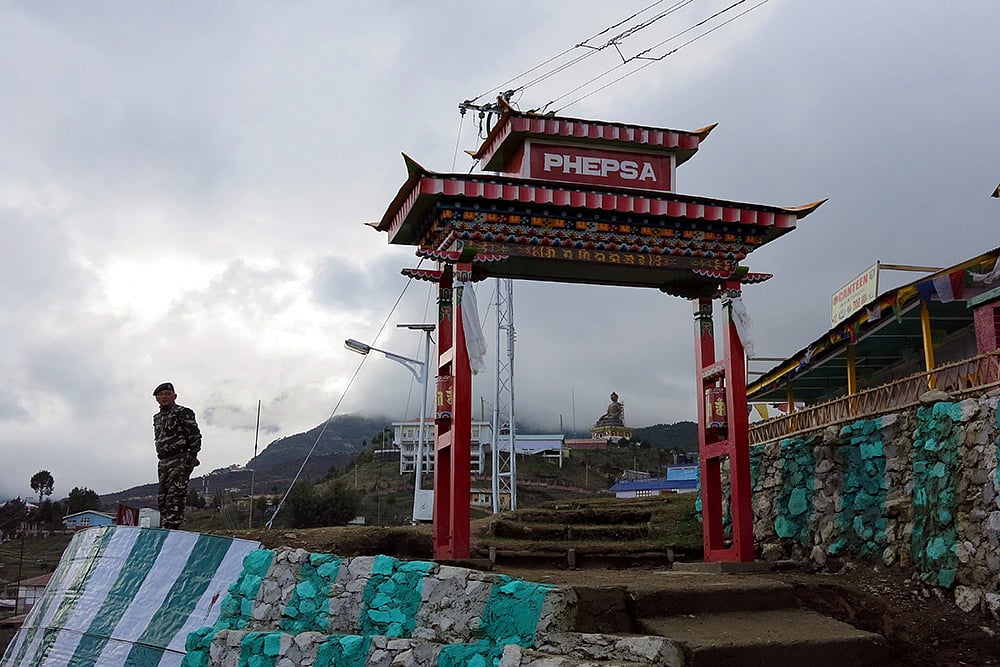
This bloodless success became a model for sovereign unification through diplomacy and cultural sensitivity in Northeast frontiers. Tawang's strategic location and spiritual significance as home to India's second-largest Gelugpa monastery continue amid ongoing border dynamics. Khathing's later contributions and the 2024 museum dedicated to his valour honor an often-overlooked figure in India's post-independence history. The expedition exemplifies respectful assertion of sovereignty while preserving local traditions.
Vibe View:
The vibe of 75 years Tawang integration story is proud historical reverence mixed awe diplomatic triumph—like peaceful frontier assertion amid tensions vibe inspiring statecraft energy, you know? Major Bob Khathing month trek harsh terrain diplomacy locals monastery vibe courageous sensitive approach vibe respectful unification. Hoisting Tricolour February 14 1951 no shot fired vibe landmark peaceful success vibe strategic brilliance. China Tibet annexation urgency McMahon Line context vibe heightened geopolitical stakes vibe critical timing. Monpa assurances faith institutions citizenship Constitution vibe inclusive reassurance vibe cultural preservation. Overall vibe national pride overlooked hero recognition 2024 museum vibe celebratory legacy vibe honoring contributions diverse Northeast narratives. Positive vibe hope sustains appreciation frontier histories diverse integrations. It's that lingering vibe gratitude resilience intertwined where diplomacy secures sovereignty diverse Himalayan landscapes. Hoping vibe inspires continued recognition unsung efforts unity.
TL;DR
- 75 years Tawang integration India February 14 1951 flag hoisting.
- Major Ralengnao Bob Khathing peaceful expedition no conflict.
- China 1950 Tibet annexation buffer loss urgency.
- McMahon Line 1914 Simla Convention British failed administration.
- Assam Governor task extend control 1951.
- Trek January 17 Sela Pass 100+ Assam Rifles 600 porters.
- Engaged Monpa leaders monastery assurances faith citizenship February 8-11.
- Strategic spiritual Tawang Monastery second largest Gelugpa.
- Model diplomacy cultural sensitivity Northeast frontiers.
- Khathing later roles museum 2024 valour honor.