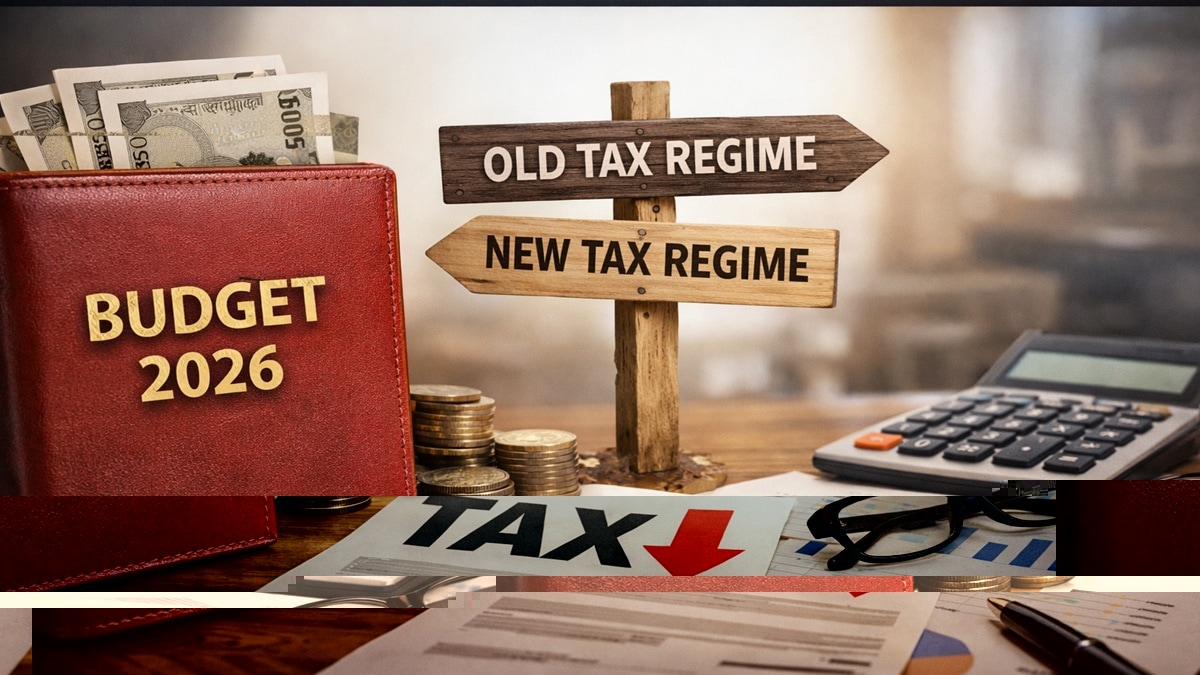
The Union Budget 2026 refinements to income tax regimes have renewed focus on choosing between old and new for maximum savings, with break-even point analysis key decision tool for taxpayers. The new regime, default since 2020, features lower slab rates but limited deductions—standard deduction Rs 75,000 (up from Rs 50,000), no HRA, 80C investments, 80D medical insurance, or home loan interest claims. The old regime retains these exemptions alongside higher rates but allows fuller utilization common deductions. Break-even point represents income level where tax liability equal under both; below it new regime saves more, above old beneficial if deductions substantial.
For example, salaried without major claims like home loan or high insurance/investments, new regime advantageous lower rates standard deduction boost. Those with HRA (rent payers), Section 80C (PPF, ELSS, life insurance up to Rs 1.5 lakh), 80D (health premium), or home loan interest find old regime better beyond certain thresholds. Budget tweaks like increased standard deduction new regime shift break-even higher, making new more attractive moderate deduction claimants. NPS employer contribution tax-free both, but self-contribution 80CCD(1B) additional Rs 50,000 old only. Salaried can opt regime annually till July 31 filing, business/profession once with withdrawal restrictions. Experts advise calculating personal scenario using online tools comparing liabilities factoring all eligible claims. No major slab changes but fine-tuning like rebate limits or surcharge adjustments influence choice. In my view, informed decision essential—new simpler lower rates suit minimal deduction profiles, old flexible for maximising common exemptions. Hoping taxpayers use calculators avoid overpayment fostering compliance efficiency.
Vibe View:
The vibe of navigating tax regimes post-Budget 2026 is practical and empowering, like having clear roadmap choosing path saves most money based personal finances without guesswork. It's got that informed choice energy—break-even point analysis vibe smart tool demystifying old vs new, factoring standard deduction boost new regime shifting thresholds higher vibe making default more attractive many. Overall vibe balanced flexibility—new simpler lower rates vibe hassle-free minimal claims, old retains exemptions HRA 80C 80D home loan vibe rewarding substantial deductions planners. Salaried annual switch vibe convenient testing both, business locked vibe caution commitment. Tools calculators vibe helpful democratising decisions no expert needed. Positive vibe government fine-tuning rebate surcharge standard deduction vibe responsive feedback easing burden moderate earners. Experts advice personal scenario vibe thoughtful avoiding one-size-fits-all. Broader vibe financial literacy growth—taxpayers empowered maximise savings compliance. Hoping vibe encourages widespread calculator use reducing overpayment fostering trust system efficiency diverse incomes.
TL;DR
- New regime default lower rates limited deductions standard deduction Rs 75,000 up Rs 50,000.
- Old regime higher rates retains HRA 80C 80D home loan interest exemptions.
- Break-even point income level tax liability equal both regimes.
- Below break-even new saves more above old beneficial substantial deductions.
- NPS employer contribution tax-free both self 80CCD(1B) Rs 50,000 old only.
- Salaried opt annually till July 31 business once withdrawal restrictions.
- Budget tweaks increased standard deduction shift break-even higher.
- Tools calculators compare liabilities eligible claims.
- No major slab changes fine-tuning rebate surcharge.
- Informed choice essential maximise savings compliance.