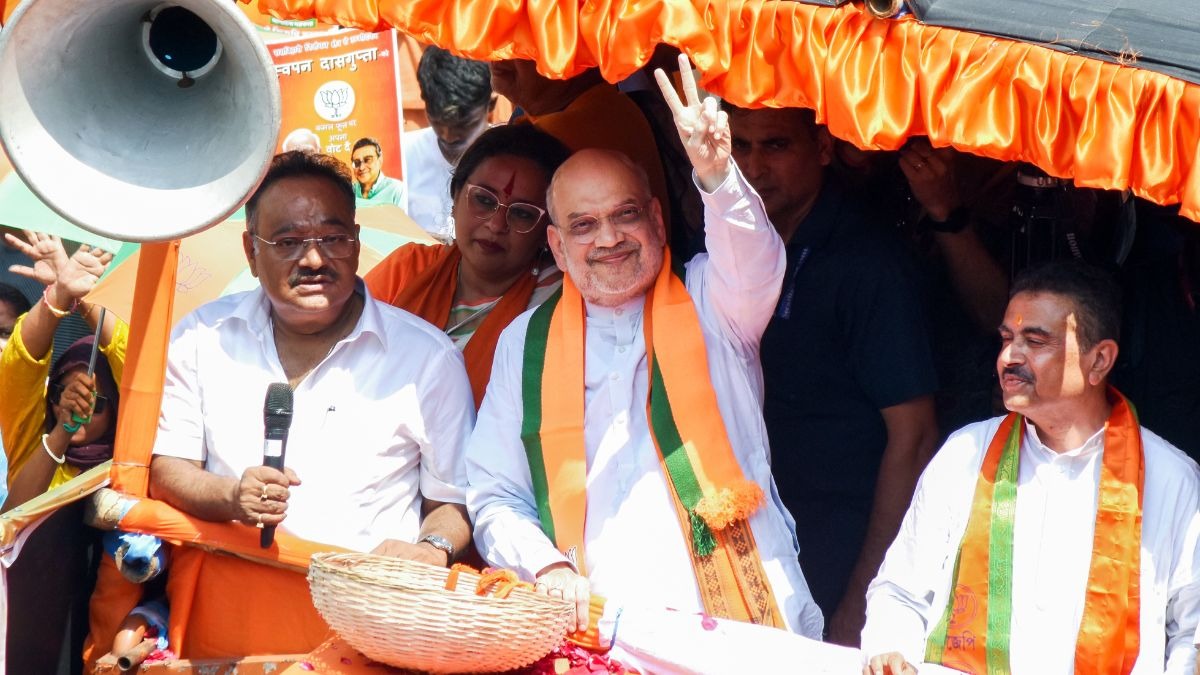
The Union Budget 2026-27 presents a mixed picture for environmental allocations as India grapples with persistent air pollution and intensifying climate vulnerabilities. Funding for pollution abatement has been reduced to Rs 1,091 crore from Rs 1,300 crore in the previous year's revised estimates. The Ministry of Environment, Forest and Climate Change (MoEFCC) receives Rs 3,759.46 crore overall—an 8% increase from Rs 3,481.61 crore—with capital expenditure rising from Rs 174.39 crore to Rs 222.80 crore. Additional support goes to institutions such as the Botanical and Zoological Surveys of India and the National Green Tribunal. Historical data shows 2024–25 initial allocation of Rs 854 crore revised higher, but actual expenditure only Rs 16 crore, revealing implementation challenges.
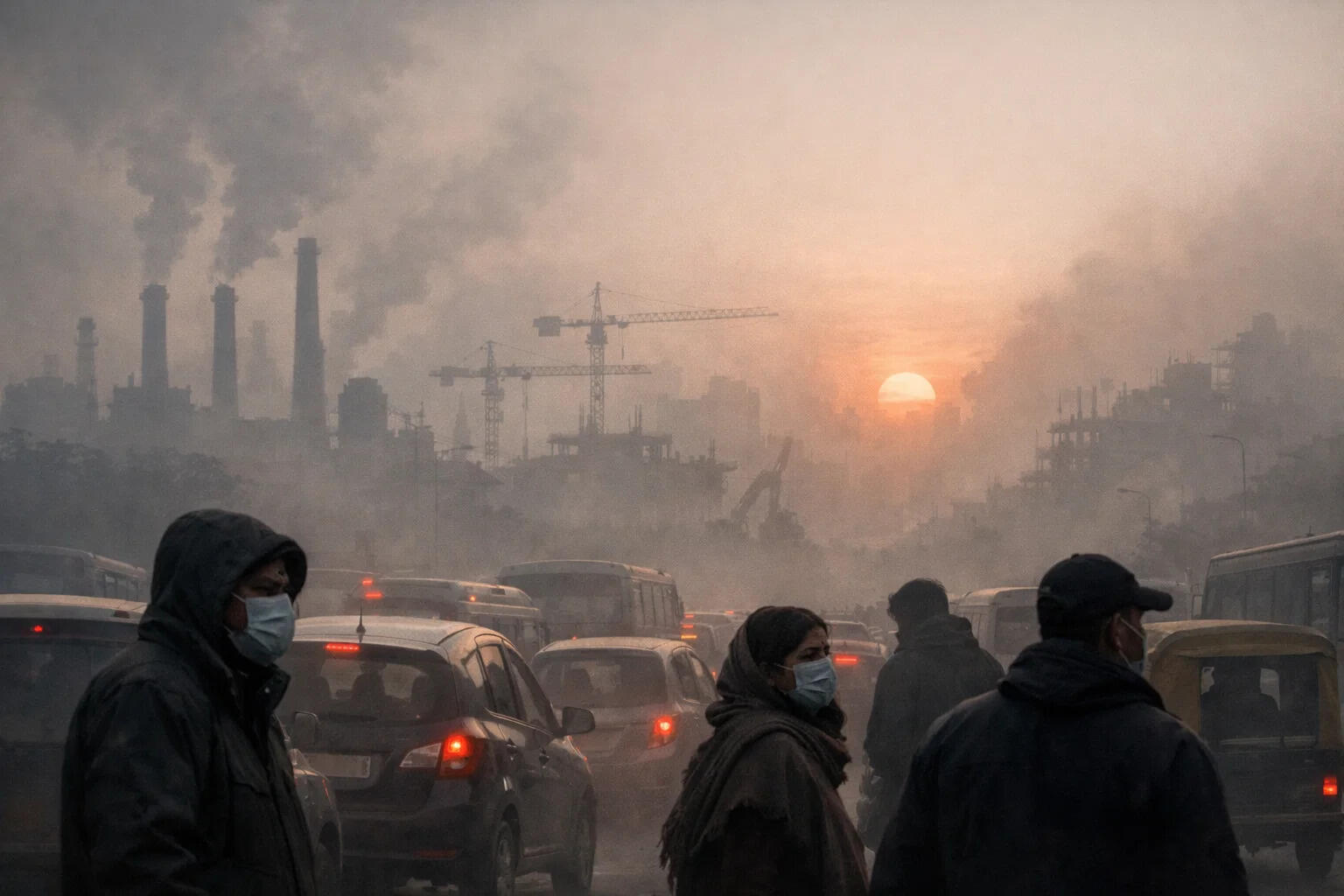
Urban centers frequently experience "severe" air quality, while the country faces hundreds of extreme weather events annually—heatwaves, urban flooding, stronger cyclones—resulting in loss of life, agricultural damage, and economic costs. India ranks among the most climate-vulnerable nations globally. The government emphasizes a multi-channel approach, including state-level projects on air and water pollution, sewage control, drainage, and substantial Finance Commission grants to local bodies tied to sanitation and water outcomes. Opposition Leader Rahul Gandhi has called for a parliamentary debate, declaring air pollution a national health emergency requiring a serious plan with adequate funding. Climate activist Licypria Kangujam expressed disappointment over the reduced allocation, viewing it as ignoring a worsening public health crisis. Experts argue the MoEFCC base remains insufficient relative to mounting ecological degradation and commitments for land restoration, forest expansion, cleaner air and water, and resilience building. In my view, the discrepancy between rising risks and direct funding levels warrants attention—multi-channel mechanisms are valid but core pollution control requires scaled investment matching crisis severity. Hoping increased parliamentary scrutiny drives future enhancements prioritizing health and environment alongside growth.
TL;DR
- Pollution abatement funding Rs 1,091 crore down from Rs 1,300 crore 2025–26 revised.
- MoEFCC total Rs 3,759.46 crore 8% increase Rs 3,481.61 crore.
- Capital expenditure Rs 222.80 crore from Rs 174.39 crore revenue marginal growth.
- Gains Botanical Zoological Surveys National Green Tribunal.
- 2024–25 initial Rs 854 crore revised higher actual spend Rs 16 crore implementation gaps.
- Urban air quality "severe" NCAP concerns monitoring interventions.
- Hundreds extreme weather events yearly heatwaves flooding cyclones lives crop economic strain.
- Government multi-channel state projects Finance Commission sanitation grants sewage control.
- Opposition Rahul Gandhi parliamentary debate national health emergency.
- Activist Licypria Kangujam disappointment Rs 1,091 crore ignoring crisis.