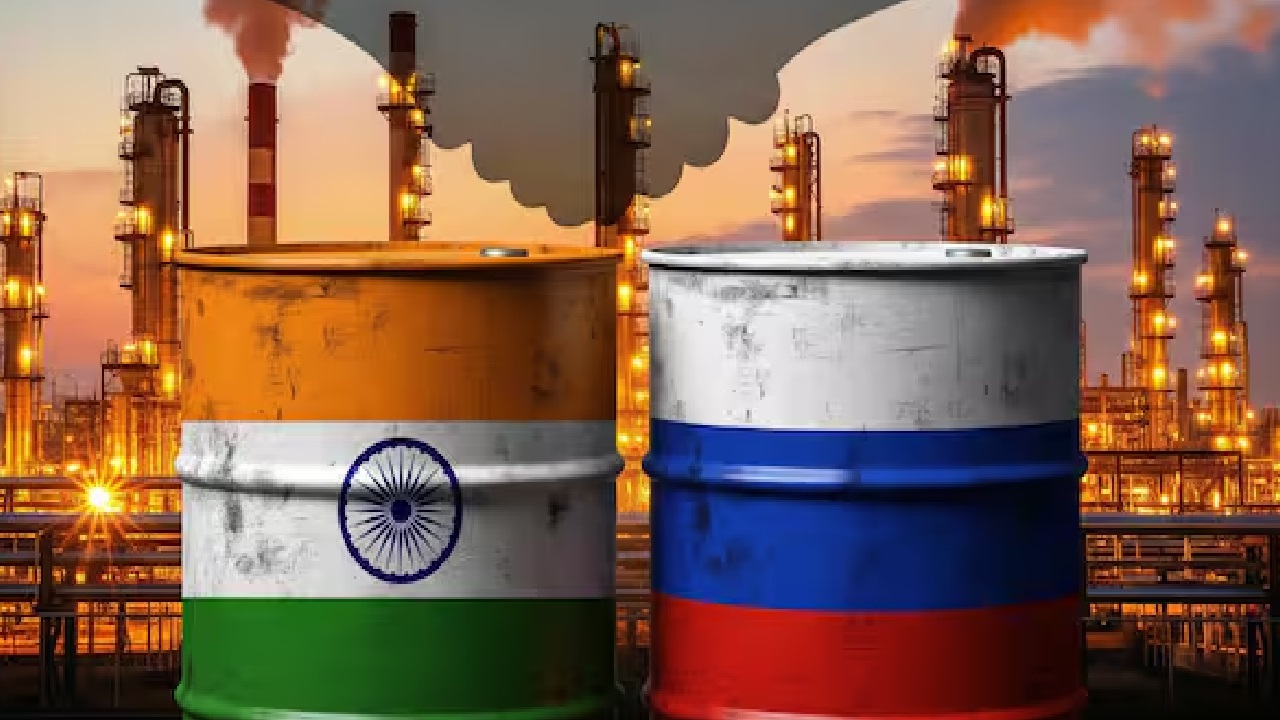
The escalating tensions between India's reliance on discounted Russian oil and US demands for a comprehensive trade deal highlight the complex interplay of energy security, geopolitics, and economic imperatives in 2026. Russia's crude imports peaked at over 2 million barrels per day in mid-2025, accounting for 40% of India's total, thanks to heavy discounts post-Ukraine sanctions that saved billions and helped stabilize domestic fuel prices. However, with Trump's administration threatening tariffs up to 50% on Indian exports unless Russia volumes are slashed, India is compelled to reassess. Trump's public claim that India agreed to cease Russian purchases as part of the deal—lowering US tariffs from 50% to 18%—adds urgency, though Indian officials emphasize decisions based on market conditions and national interests rather than outright bans. Diversification efforts include ramping up Venezuelan crude, which resumed in 2023-24 but was halted by sanctions; recent partnerships with PDVSA aim to scale up to offset gaps. Venezuelan oil's heavy grade compatibility with Indian refineries makes it a viable alternative, but logistics and geopolitical risks remain.
Brent crude surging due to Middle East tensions and OPEC cuts makes Russian deals even more attractive economically. A full pivot from Russia could trigger supply shortages, higher costs, inflation, and refinery optimization issues, as Indian facilities are tuned to Russian Urals blends. Experts predict a gradual reduction rather than abrupt stop, using sources like US, Brazil, Guyana to bridge, while maintaining discreet Russian flows through UAE traders or shadow fleets. China's potential to absorb excess Russian supply could ease global disruptions. The broader context involves India's strategic autonomy—strengthening US ties amid China rivalry without alienating Moscow, a key defense and energy partner. In my view, India's pragmatic approach will likely yield a compromise, prioritizing energy affordability for 1.4 billion while securing trade benefits. Hoping diplomacy navigates this without economic fallout.
Vibe View:
The vibe surrounding India's potential shift away from Russian oil under US pressure is a mix of cautious pragmatism and geopolitical tension, like walking a tightrope where one side is cheap energy stability and the other is a lucrative trade deal with Trump—it's got that high-stakes diplomatic drama energy where economic necessities clash with international alliances, you know? Trump's bold claims vibe aggressive negotiation tactic, pushing India to choose sides in the Russia sanctions game vibe realpolitik at play. India's response vibe measured restraint, emphasizing market-driven decisions over outright compliance vibe smart safeguarding national interests. Russian discounts saving billions vibe economic lifeline hard to let go, especially with Brent spikes vibe timely reminder global volatility. Exploring Venezuelan crude vibe strategic pivot compatible grades but own risks vibe not easy swap. Gradual diversification to US Brazil Guyana vibe wise hedging avoiding sudden shocks inflation refinery woes. Overall vibe delicate balancing act—energy security for massive population vs strengthening US partnership China context vibe classic emerging power dilemma. Positive vibe hope negotiation secures win-win lower tariffs sustained affordable oil. It's that intricate vibe global energy politics where no move is simple, demanding nuanced diplomacy preserving ties all sides without economic pain. Hoping outcome bolsters India's autonomy thriving amid superpowers' tug-of-war.
TL;DR
- India-Russia strategic partnership spans 50+ years.
- Russian crude imports peaked at 2 million bpd mid-2025.
- Dipped to 1.215 million bpd in January 2026 due to US tariffs.
- US trade deal lowers tariffs from 50% to 18%.
- India to increase US, Venezuelan oil purchases.
- Energy security prioritizes diversification.
- Russian Urals suits Indian refineries better.
- Full pivot raises blending costs.
- Suppliers expanded from 27 to 40+ countries.
- Gradual shift avoids straining ties.