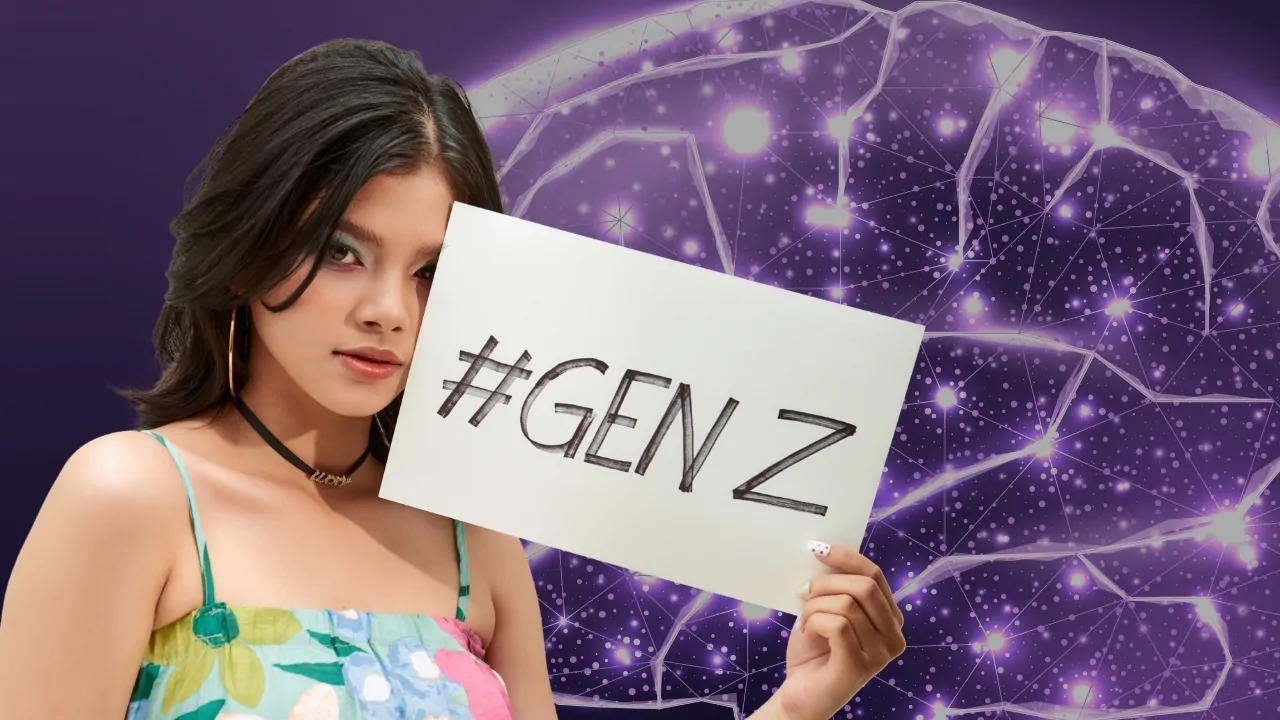
The Flynn Effect Reversal
Research, including Dr. Jared Cooney Horvath's report to a US Senate committee, indicates Gen Z (born 1997-early 2010s) as the first generation since late 19th-century records to score lower than parents in attention span, memory retention, reading ability, numeracy, problem-solving, and overall IQ. This reverses the Flynn Effect of steady generational gains. PISA studies post-2018 show global declines in reading and math, accelerated by digital classroom integration.
Technology's Role in Cognitive Shift
Millennials developed through memory, sustained focus, and physical resources, fostering visualization and imagination. Gen Z, immersed in short-form content, AI, and instant answers, externalizes memory to devices, reducing deep focus but enhancing rapid synthesis, curiosity, and connectivity. Declining reading habits and attention are documented, yet technology ignites creativity and adaptation in chaos.
Expert and Generational Perspectives
Horvath documents measurable declines. Millennials like Shobhit Tyagi note context—scientific breakthroughs slowed, requiring different thinking. Gen Z voices: Mayank Rathi warns AI dependence disconnects from realities; Manya Chauhan sees digital tools enabling global knowledge and ingenuity; Ayushi Uniyal views brains shifting to processing; Khushi Sharma redefines intelligence as environmental adaptation; Gauri Tiwari highlights expressiveness but impatience.
Redefining Intelligence
The debate questions metrics: Gen Z's strengths—emotional intelligence, mental health awareness, risk-taking—may better suit modern complexity. Progress and intelligence are non-linear; decline could signal transition to new cognitive forms.
Conclusion
Gen Z may test lower traditionally but thrives differently. The unfolding discussion urges measuring relevant skills for today's world.
Vibe View:
The vibe of the Gen Z-millennial IQ debate is thoughtful generational reflection mixed nuanced optimism—like questioning traditional smarts while celebrating adaptation evolution vibe balanced introspective energy, you know? Flynn reversal lower scores attention memory problem-solving vibe concerning documented decline vibe wake-up cognitive shifts. Technology externalized memory shorter spans deep reading drop vibe reshaping brains vibe double-edged tool impact. Millennials sustained focus imagination physical play vibe grounded development vibe nostalgic strengths. Gen Z rapid synthesis curiosity connectivity chaos thrive vibe flexible modern advantages vibe hopeful redefinition. Experts Horvath data declines Tyagi context breakthroughs Rathi AI disconnect Chauhan ingenuity Uniyal processing shift Sharma environmental adaptation Tiwari expressiveness impatience vibe diverse voices vibe rich multifaceted perspectives. Overall vibe non-linear progress intelligence vibe philosophical maturity vibe embracing complexity. Positive vibe measuring right skills future vibe inclusive evolution. It's that lingering vibe curiosity empathy intertwined where debate fosters understanding diverse generational cognition landscapes. Hoping vibe guides supportive nurturing varied intelligences.
TL;DR
- Gen Z first generation lower IQ attention memory problem-solving parents Flynn reversal.
- Dr Jared Cooney Horvath Senate report large datasets global trends.
- PISA post-2018 reading math declines digital classrooms.
- Millennials memory focus physical resources visualization imagination.
- Gen Z digital short-form AI instant answers externalized memory reduced deep focus.
- Strengths pattern recognition synthesis flexibility adaptation curiosity creativity.
- Technology ignites knowledge connectivity reshapes cognition not neutral.
- Emotional intelligence mental health awareness risk-taking Gen Z advantages.
- Debate right metrics progress non-linear unfolding.
- Evolution context different thinking required breakthroughs slowed.