Smartphones do not decide who we become, according to consultant psychologist Dr Vangeepuram Sreenatha Chary. In an opinion column published on 23 November 2026, he argues that the device simply magnifies what the person holding it brings to it.
He calls the smartphone neither a miracle nor a menace. In his view, the real question is who is shaping whom, and whether a phone is making its owner a passive consumer or an active creator.
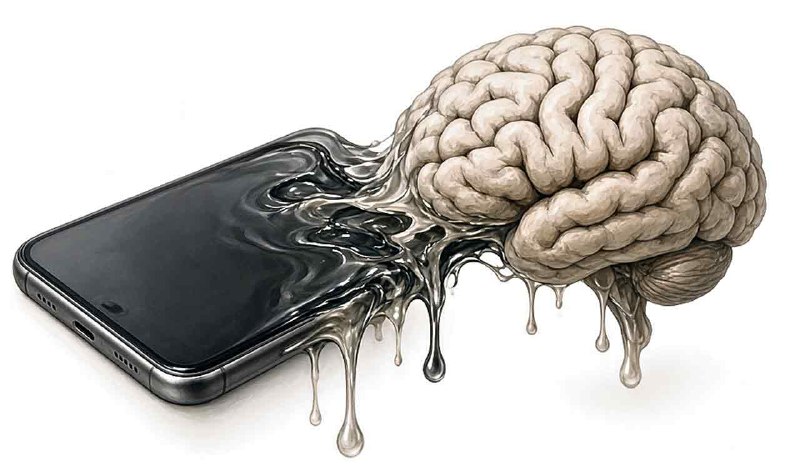
The smartphone is neither a miracle nor a menace. It is a multiplier, magnifying the intentions of the person who holds it.
A Classroom in the Pocket
The author says quality education once depended largely on where a person lived. Today, he writes, a child in a remote village can learn from world-class teachers, scientists, entrepreneurs and artists, often free of cost.
Smartphones help people learn languages, build professional skills, prepare for competitive examinations and even start businesses. Students, farmers, homemakers and senior citizens can all find opportunities on the same device.
He draws a firm line between information and learning. A thousand bookmarked videos cannot replace one completed skill, he writes, and learning begins only when knowledge turns into understanding, practice and action.
From Consumer to Creator
According to the column, a person no longer needs a large office or substantial capital to begin creating value. A phone, an internet connection and a clear purpose are often enough.
The digital economy, he writes, rewards knowledge, creativity and consistency more than age, background or location. Yet millions spend hours consuming what others create, while far fewer use that time to make something that educates, inspires or improves lives.
Health Apps Cannot Do the Work
The smartphone can count steps, monitor heartbeats, remind users to take medicines and connect them with doctors across the world. The author says no application can sleep, exercise or meditate on a person’s behalf.
As notifications multiply, he argues, uninterrupted attention becomes rare. Technology can support healthy living, but it cannot replace healthy choices such as restful sleep, healthy relationships and quiet reflection.
Purpose Decides the Outcome
The same device can help one student master artificial intelligence and tempt another into endless scrolling. The technology is identical, he writes, so the difference lies in purpose.
He compares the phone to electricity and the internet, which can each serve good or harmful ends. Technology offers possibilities, and purpose determines which one becomes reality.
For the author, the digital age does not require rejecting technology. It asks people to become intentional: to learn before they scroll, create before they consume, connect before they compare, and solve problems before they seek entertainment.
What does the author say a smartphone really is?
He describes it as a multiplier. In careful hands it becomes a university, workplace, studio and bridge to opportunity, while in careless hands it becomes an endless corridor of distraction.
What does he ask readers to consider?
He closes by asking readers to consider what their phone is helping them become. He writes that only one answer still belongs to the user: who do you want to become?
Who is the author?
According to the column, Dr Vangeepuram Sreenatha Chary is a consultant psychologist, academic and research mentor, and a Guinness World Record Holder.
Key Facts
The opinion column was published on 23 November 2026.The author is Dr Vangeepuram Sreenatha Chary, a consultant psychologist and academic and research mentor.The column says a child in a remote village can learn from world-class teachers, often free of cost.The author says a person needs only a phone, an internet connection and a clear purpose to start creating value.The column argues that no fitness app can exercise on a user’s behalf and no meditation video can calm a restless mind unless the user chooses to pause.TL;DR
- Smartphones act as a multiplier, magnifying the intentions of whoever holds them.
- Dr Vangeepuram Sreenatha Chary argues that purpose, not the device, determines the outcome.
- Smartphones can serve as a classroom, reaching learners in remote villages, often free of cost.
- Digital tools can count steps and monitor heartbeats, but they cannot replace healthy choices.
- The author urges users to learn before scrolling, create before consuming, and connect before comparing.