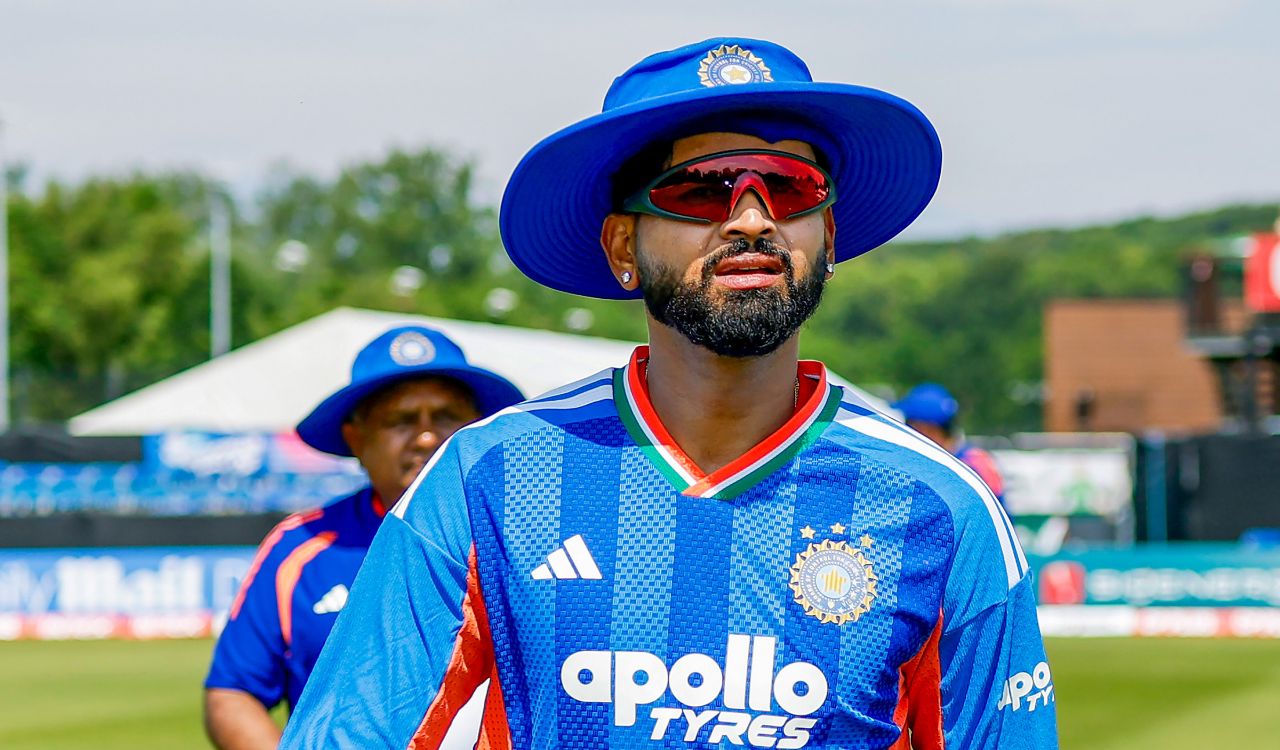
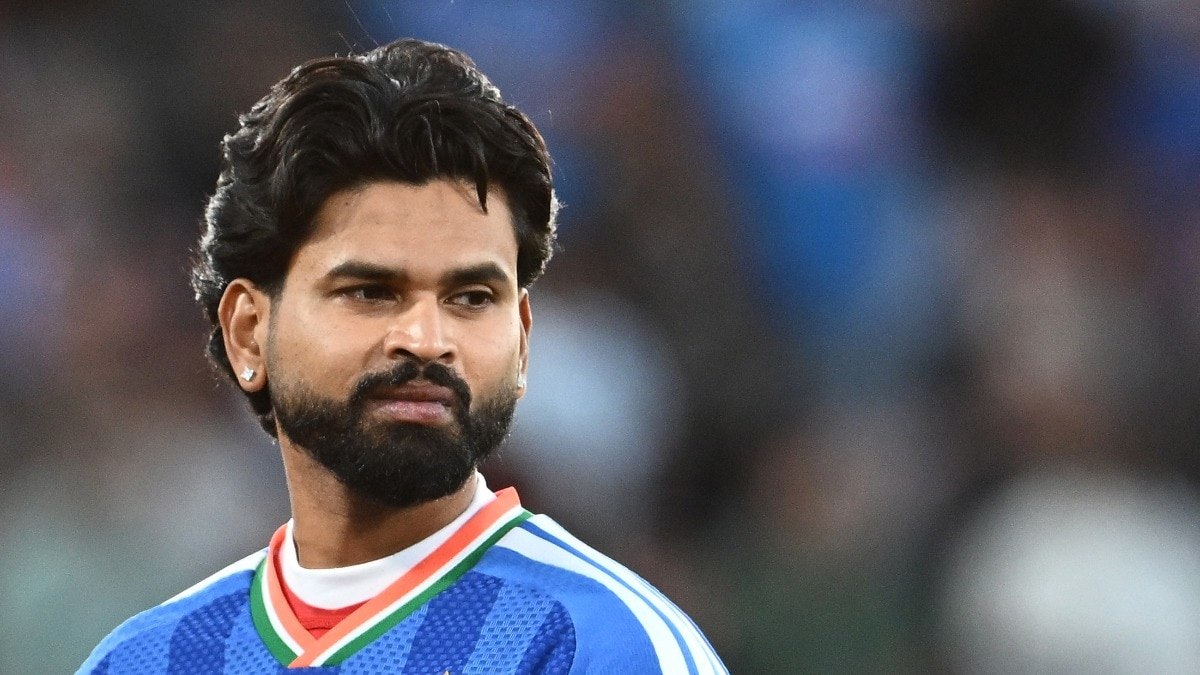
India head coach Gautam Gambhir has backed Shreyas Iyer’s captaincy as “phenomenal,” even though the numbers behind the skipper’s T20I leadership do not make for easy reading. Speaking after India’s fifth T20I against New Zealand, Gambhir made his case without hesitation. He wants the debate pulled away from the scoreboard and toward the circumstances Iyer has been handed.
On paper, the record invites criticism. Iyer has led India in 26 T20Is, winning 14 and losing 10. His predecessor Suryakumar Yadav won 40 of 52 matches and lost only eight. That gap is hard to ignore, and it is the reason Gambhir’s endorsement has ignited a fierce argument among cricket fans.
Iyer led India to a 3-2 series win in New Zealand, according to the match coverage. Gambhir, though, is not measuring him by that result alone.
A captain is only as good as his bowlers
Gambhir’s defence rests on one idea: a captain’s influence is limited by the players in front of him. Iyer, he argues, has been forced to lead with a bowling unit that lacks the experience of the group that came before.
As a captain, you’re only as good as how your bowlers or your batters perform. Especially with an inexperienced attack, I think he’s done a phenomenal job.
That sentence is the heart of the argument. Gambhir is asking fans to judge Iyer against the conditions he has actually faced, not the ones they remember from the previous regime.
Those conditions have been difficult. India had just won the T20 World Cup and gone two years without losing a bilateral series when Iyer took charge. But the team had already started looking towards the next World Cup, and that meant handing opportunities to younger players who had not yet established themselves.
The bowling problem
The bowling department has borne the brunt of that transition. Mayank Yadav and Prince Yadav were among the younger bowling options who featured against New Zealand. India also largely stayed away from specialist spinners Kuldeep Yadav and Varun Chakravarthy.
Those decisions placed heavier responsibility on seamers and younger members of the attack. When a bowling unit is still learning its roles, the captain has fewer reliable options in the middle overs and at the death. That is the context Gambhir wants people to weigh before they reach for the win-loss column.
Gambhir has openly acknowledged the lack of experience, particularly during overseas assignments in England and New Zealand. He does not treat that as a flaw to be hidden. He treats it as a cost of building for the future.
If you start thinking about building for the next World Cup, you’ve got to give young players the opportunity and try and develop them while being on the road.
That line will divide fans. Supporters who want immediate trophies see rebuilding as an excuse. Supporters who follow the long cycle see it as the only honest route to a competitive side in the next World Cup cycle.
Thrown in at the deep end
The New Zealand series was a stern test. The visitors knew their home conditions well and had plenty of T20 experience. India had little time to prepare. The squad arrived on the 20th and had just one practice session the following day.
Most players were touring New Zealand for the first time. They had to adjust quickly to different weather, unfamiliar pitches and different ground dimensions. Few sides handle that kind of compressed preparation with ease, and India were no exception in every phase.
Gambhir was especially pleased with the first three matches. He pointed to a chase of 220, where three young players helped India cross the line, and a subsequent pursuit of 199 completed in just 14 overs. “That is what is called ruthlessness,” he said.
India eventually lost the final two matches. Gambhir did not want those defeats to overshadow what his players had shown. He believes their ability to handle pressure and unfamiliar conditions was among the biggest takeaways from the tour.
High risk, high reward
Gambhir also made clear that the team’s approach is not going to change with the venue. He said the high-risk, high-reward style is something the side will accept, and that it should work whether India are playing in England, Australia or at home.
That is a significant commitment from a head coach, and it puts Iyer squarely in the frame. A captain who leads an aggressive side will lose more games in a transition phase. The question is whether those losses are the price of learning or the sign of a team that has lost its way.
The pressure of expectation
Leading India comes with expectations that rarely leave room for patience. Every defeat invites scrutiny, and captains are often judged by results even when the circumstances are far from straightforward.
Gambhir acknowledged that reality. People expect India to win every game, and he understands why. But he also believes some realism is needed when assessing a team that still has several young players finding their feet.
The expectations are sky-high. People don’t give you that inch because everyone expects you to win each and every game.
The head coach’s remarks go beyond Iyer. They amount to a call for a different measuring stick. Instead of asking only how many matches India won, Gambhir wants observers to ask how a captain managed a young attack, how he backed players who were still being tested, and how he kept the side competitive on tough tours.
The numbers will keep inviting comparisons with Suryakumar, and those comparisons cannot be brushed aside. Suryakumar’s record is strong, and Iyer’s 14 wins from 26 games will look modest to anyone who wants a simple verdict. Gambhir knows that, which is why he is not arguing that the numbers are good. He is arguing that the numbers are incomplete.
What the verdict really depends on
The debate now comes down to a single question. Is Iyer a captain who is struggling with an unavoidable rebuild, or is he a leader whose results will only look better once the young players mature?
Gambhir’s answer is clear. He sees a captain managing an inexperienced attack, backing younger players and guiding India through demanding overseas assignments. For the head coach, that deserves considerable credit, even if the results column does not always show it.
Fans will keep arguing. Some will see a coach protecting his skipper. Others will see a coach who has correctly identified the cost of building a team for the next World Cup. Either way, Iyer’s captaincy has now become a test of patience as much as performance.
TL;DR
- India head coach Gautam Gambhir has called Shreyas Iyer’s captaincy phenomenal despite a 14-win, 10-loss T20I record.
- Iyer’s record trails predecessor Suryakumar Yadav, who won 40 of 52 matches as captain.
- Gambhir credited Iyer for leading an inexperienced bowling attack during India’s transition toward the next T20 World Cup.
- Mayank Yadav and Prince Yadav featured, while Kuldeep Yadav and Varun Chakravarthy were largely left out.
- India chased 220 and then 199 in just 14 overs during the first three matches against New Zealand.
- Gambhir said India will accept a high-risk, high-reward approach in every condition.