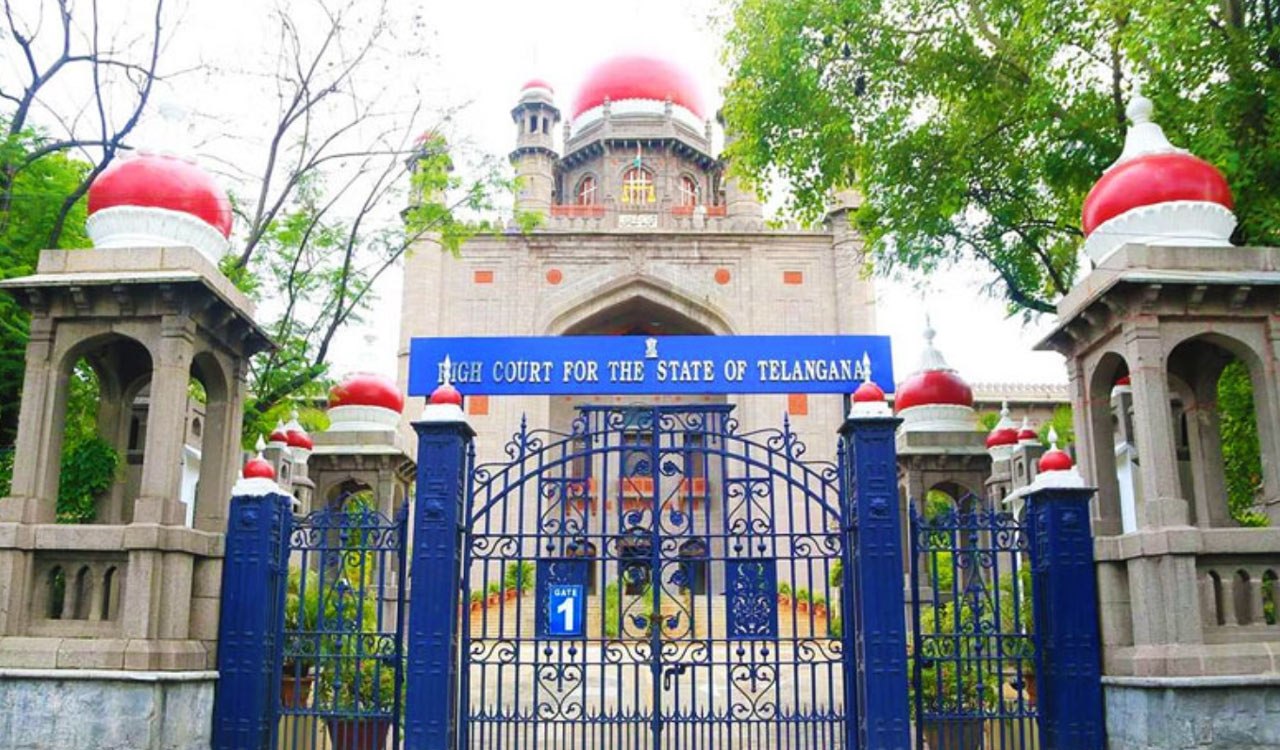

The Telangana High Court has ordered the state government to keep human trafficking victims and the people accused of trafficking or running brothels in separate facilities. The bench said putting them under the same roof puts victims’ safety at risk and derails the rehabilitation process meant to help them recover.
The ruling, reported from Hyderabad on November 18, 2026, is one of the most detailed directives the court has issued on how trafficking cases should be handled from the moment police step in. It goes well beyond a single rescue operation and reaches into how police, magistrates, legal aid bodies and schools are expected to act.
Victims and accused cannot be kept in the same place. Doing so threatens the safety of victims and undermines their rehabilitation.
The case that prompted the order began with a police raid on a spa centre in Hyderabad. Officers rescued nine women. The magistrate sent all nine to a protection home run by the non-governmental organisation Prajwala. Prajwala objected to the placement of one of the women, because a human trafficking case had been registered against her earlier. In other words, the shelter that was supposed to protect the women was being asked to house someone the authorities had already linked to trafficking.
That objection exposed a gap the court was willing to close. The bench held that a registered FIR alone cannot establish that a person is a trafficker. A woman with an earlier case may herself have been a victim of sexual exploitation. The court said that denying protection to a victim simply because a case was registered in the past is not acceptable.
The court also took aim at the way magistrates handle these matters. It instructed that magistrates must not issue orders in trafficking cases mechanically. Instead, they are required to examine the facts of each case and the background behind it before deciding where a person should go. For anyone who has followed how rescued women are moved from one custody setting to another, that instruction reads as a direct rebuke of routine decision-making.
Investigating officers have been told to assess the role of each individual separately, based on evidence rather than assumptions. The court’s direction is clear: a person’s place in a case must be proven, not presumed from paperwork.
For the state, the order carries concrete demands. The court has directed the government to create separate protection homes for victims and separate correction centres for traffickers and brothel operators. Those are not optional suggestions in the ruling. They are instructions to the administration to build the infrastructure that keeps the two groups apart.
Police have also been given a set of procedures. The Director General of Police, along with the women’s safety wing and the anti-human trafficking unit, prepared a standard operating procedure dated February 25. The court has ordered that this procedure be sent to every police station and implemented. Officers are also expected to plan ahead of raids, identifying suspected brothel operators and victims in advance. Past cases involving individuals should be brought to the attention of magistrates before they make decisions.
The protections extend to the victims’ day-to-day treatment. Under the ruling, victims must receive medical treatment and counselling. Electronic evidence and other material must be preserved. Their personal details must be kept confidential. Investigators are barred from forcing victims to stand face to face with accused persons for preliminary identification. Statements must be recorded in a manner that suits the victim. The court also warned officials to stop accused persons from entering protection homes in the guise of victims to avoid trial. Victims must be shielded from threats and from any interference with evidence.
Child victims fall under child protection laws, and the court has made that explicit. Their cases must be handled under those statutes rather than ad hoc arrangements.
Prevention is part of the order too. District Legal Services Authorities have been told to run awareness programmes every three months. The education department must make sure that schools, colleges and universities hold at least one such programme in every academic semester. Collectors have been directed to hold review meetings with multiple departments every six months and submit reports to the principal secretary of the Home Department.
For Telangana readers, the ruling lands squarely in their state. The raid, the rescue and the placement dispute all happened in Hyderabad, and the directives will now shape how the state’s police, magistrates and protection homes operate. Whether the new infrastructure and procedures are built quickly enough is the question that will matter to the women who are rescued next.
The bench that delivered the judgment comprised acting Chief Justice P Shyam Koshy and Justice Nandikonda Narsinga Rao. The court’s message to the system is blunt. Rescue is only the first step. How the state handles the people it rescues, and how it separates them from those who exploited them, decides whether victims get the protection the law promises them.
TL;DR
- Telangana High Court says trafficking victims and accused must be held in separate shelters.
- The court ruled that housing victims with accused traffickers or brothel operators endangers victims and disrupts rehabilitation.
- A registered FIR alone is not enough to label someone a trafficker, the bench said.
- Magistrates must not issue trafficking orders mechanically and must examine each case’s facts.
- The state must set up separate protection homes and correction centres, and police must implement a February 25 standard operating procedure.
- Child victims must be handled under child protection laws.