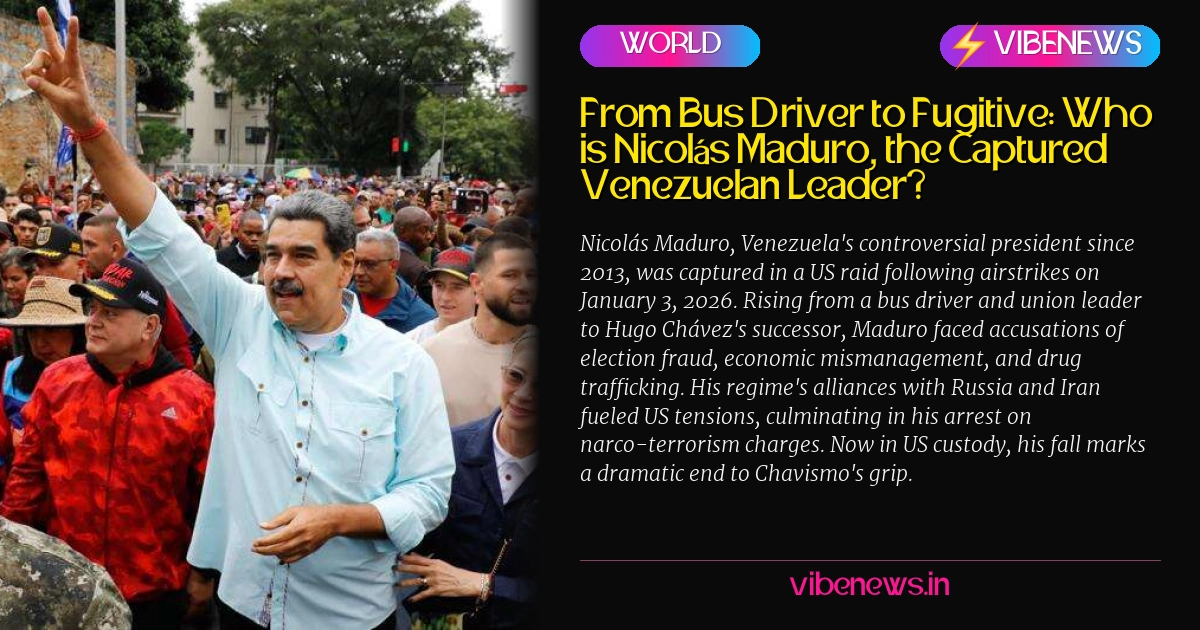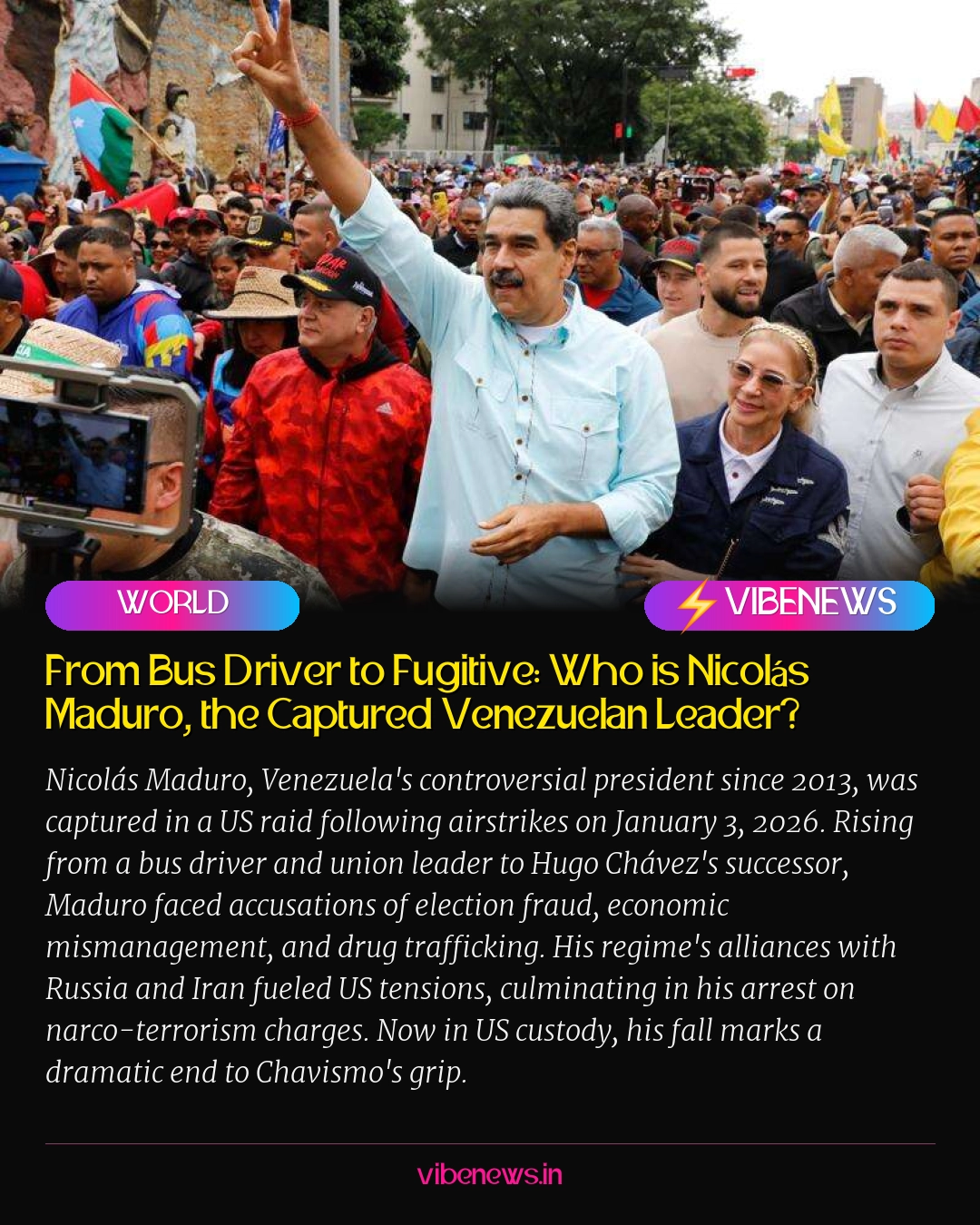
Nicolás Maduro's journey from humble beginnings as a bus driver in Caracas to the presidency is a tale of loyalty and controversy. Mentored by Hugo Chávez, he served as foreign minister and vice president before assuming power in 2013 amid Chávez's death. Maduro's rule saw Venezuela's economy crumble under sanctions, hyperinflation, and oil mismanagement, driving millions into exile.
Accused of rigging elections—like the disputed 2025 vote where opposition claimed victory—Maduro clung to power through repression and alliances with Russia, China, and Iran. US indictments labeled him a 'narco-terrorist' for allegedly leading the Cartel de los Soles, using state resources to traffic drugs.
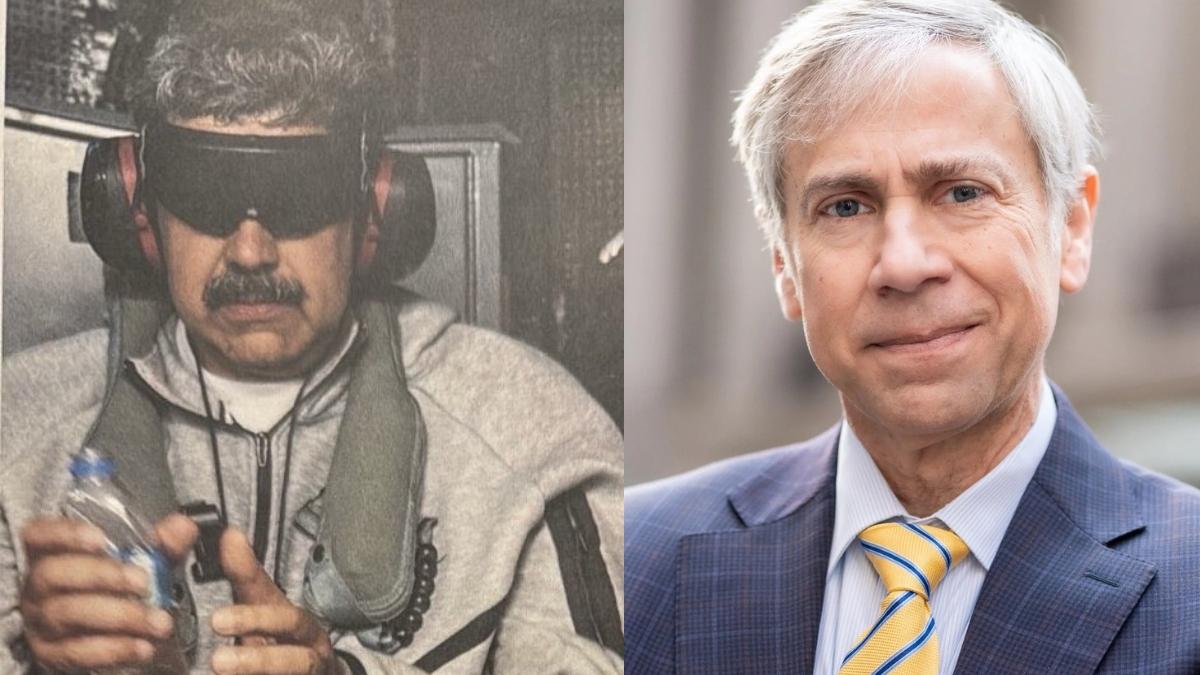
The January 3 airstrikes and raid ended his tenure abruptly, with US forces extracting him from a military bunker. Trump described the capture as justice long overdue, while Maduro's supporters decry it as imperialism.
As Maduro faces trial in the US, Venezuela grapples with uncertainty, potentially paving the way for democratic reforms or further instability in Latin America's oil powerhouse.
TL;DR
- Maduro, 63, rose from bus driver to Chávez's successor in 2013.
- Accused of economic ruin: Hyperinflation, shortages under his rule.
- Alliances: Close ties with Russia, Iran, Cuba against US sanctions.
- Drug charges: Indicted 2020 for narco-terrorism, Cartel de los Soles.
- Elections: Disputed 2018, 2025 wins; opposition alleges fraud.
- Captured Jan 3, 2026, in US raid after airstrikes.
- Wife Cilia Flores also arrested; both en route to US.
- Regime highlights: Mass protests, migration crisis, oil dependency.
- Legacy: Chavismo's decline; accused of human rights abuses.
- Future: Potential extradition, trial in New York court.