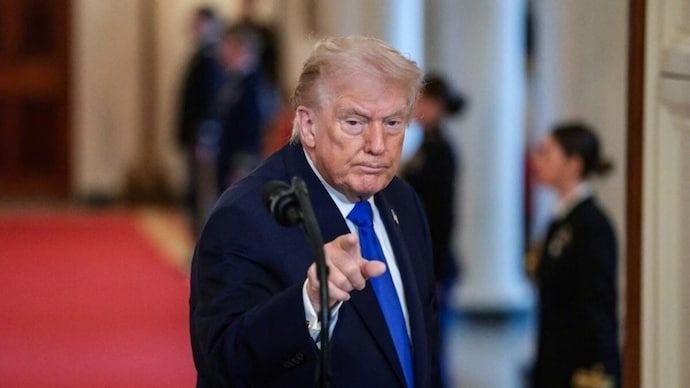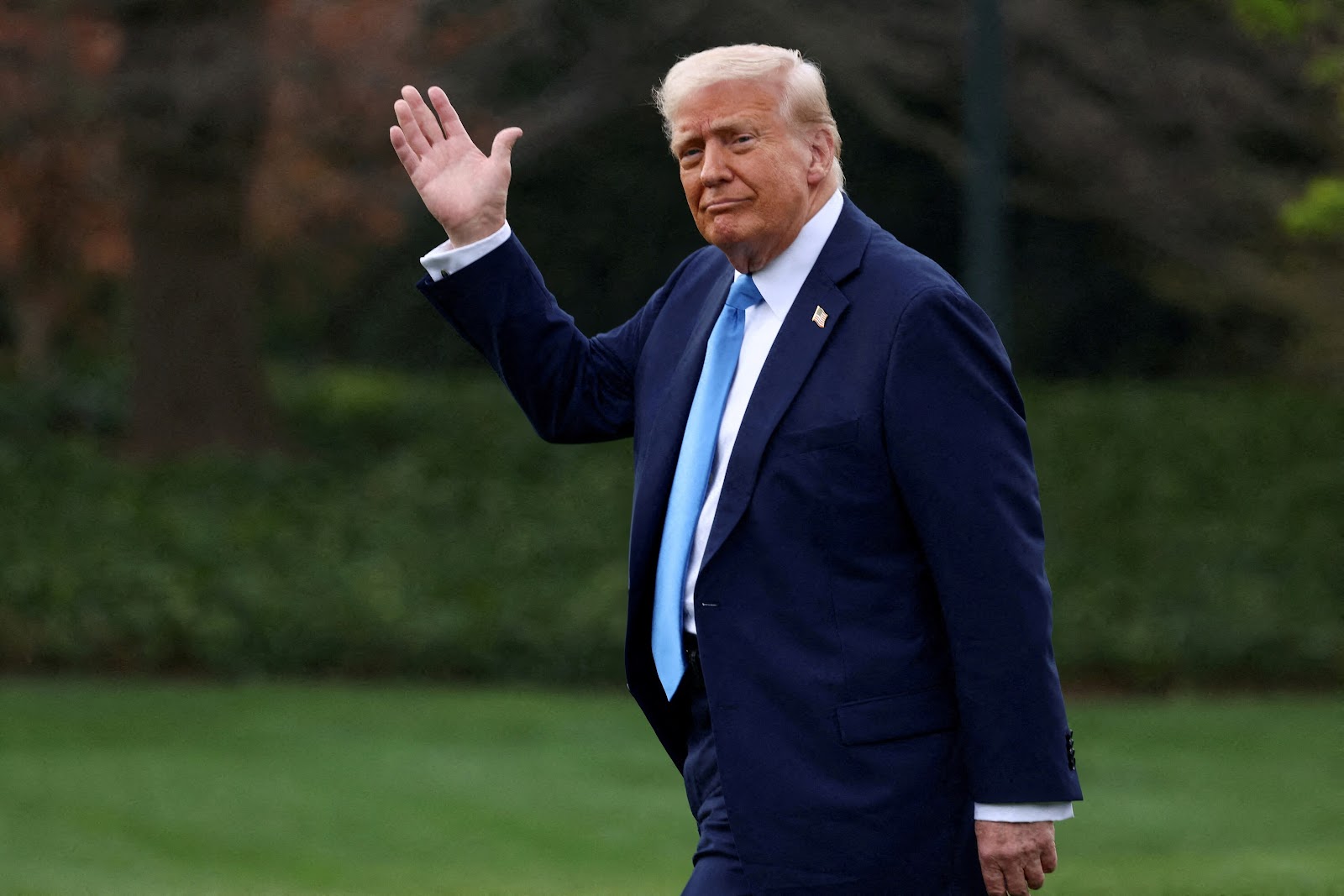
Trump's persistent interest in Greenland feels like a throwback to bold historical territorial ambitions, but rooted in modern strategic realities. As reported on January 7, 2026, the White House has reaffirmed that acquiring Greenland is a top national security priority for the Trump administration, essential for countering adversaries in the increasingly contested Arctic. The island's geographic position and vast resources could greatly strengthen US defensive capabilities, especially as melting ice opens new shipping routes and resource access.
Strikingly, the administration has not ruled out military action, with statements noting that the use of armed forces is "always an option" available to the commander-in-chief. Denmark's response remains unequivocal: Greenland is not for sale, respecting its autonomous status. In my view, while the strategic rationale is clear in a changing climate landscape, pursuing coercive methods raises serious questions about sovereignty and international norms.
Diplomacy would seem the wiser path to avoid damaging alliances. This development highlights how climate change is amplifying geopolitical tensions in polar regions, making traditional maps of power obsolete.
TL;DR
- White House actively pursuing options to acquire Greenland as part of Trump's foreign policy agenda.
- Acquisition framed as critical national security need due to rising Arctic strategic competition.
- Greenland key for deterring threats through improved US positioning and resource control.
- Military force explicitly remains on table as potential tool for the president.
- Interest driven by prime location bridging North America and Europe plus untapped resources.
- Denmark firmly rejects any sale, insisting Greenland's autonomy makes it unavailable.
- Climate change effects opening new routes and deposits heighten regional value.
- Administration evaluating various approaches for long-term incorporation into US security framework.
- Focus on strengthening presence against emerging polar vulnerabilities.
- Situation underscores intensifying great power rivalries over Arctic influence and territories.