Operation Overview
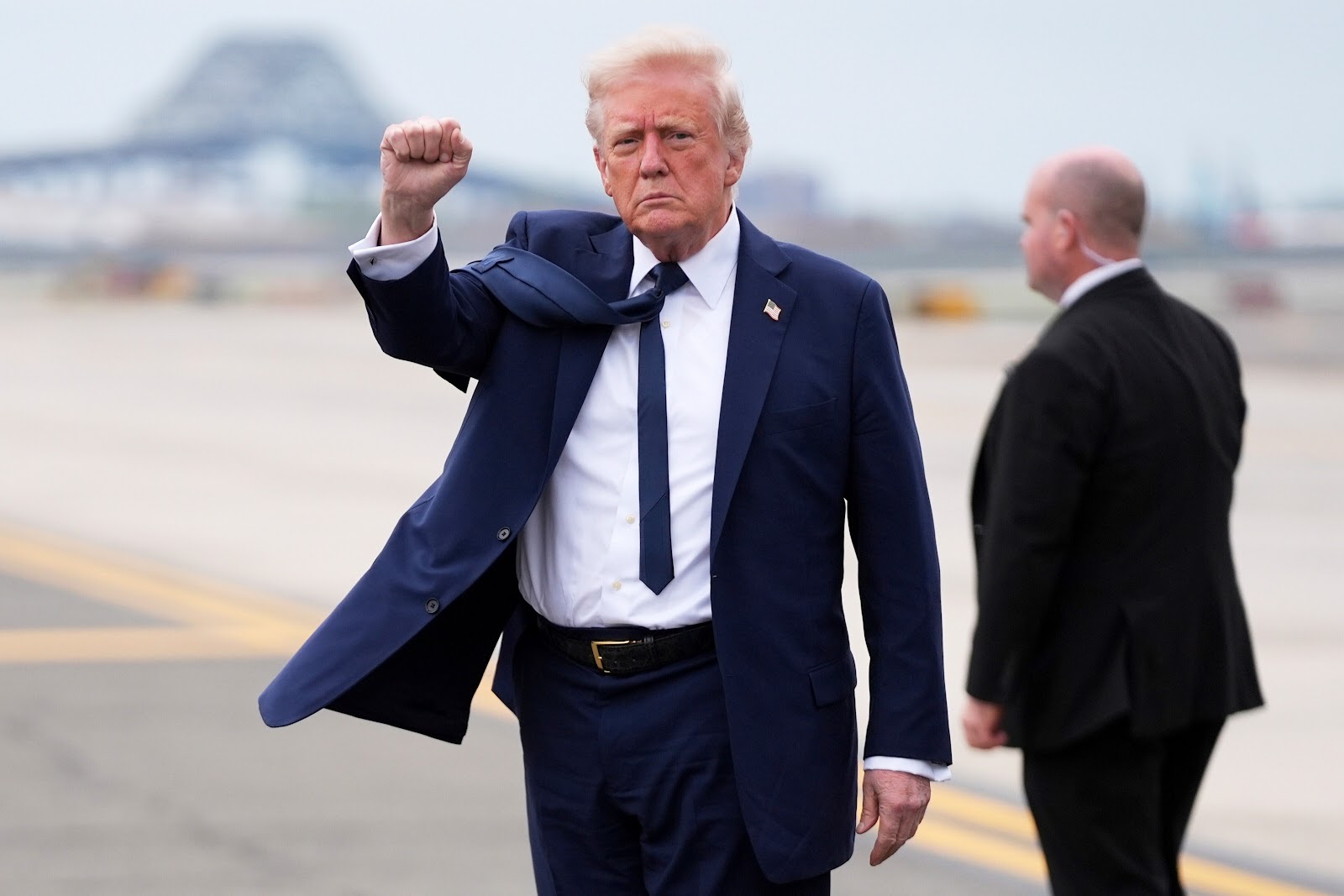
On February 28, 2026, US and Israeli forces launched coordinated airstrikes on multiple high-value targets in and around Tehran, including military bases, missile storage facilities, and suspected nuclear-related sites. President Donald Trump later described the operation as “high-reward, high-risk” in a classified briefing to congressional leaders. Reports indicate Indian intelligence played a supporting role by providing real-time satellite imagery and target coordinates, though India has not officially confirmed participation.
Key Targets and Reported Damage
The strikes focused on three main clusters: Parchin military complex (suspected nuclear research), Khojir missile base, and several IRGC command centers in Tehran suburbs. Satellite imagery analyzed by Western media showed significant damage to at least two underground facilities and multiple surface buildings. Iranian state media acknowledged “limited material damage” and claimed most missiles were intercepted. Casualty figures remain disputed—US sources claim 30–40 IRGC personnel killed, while Iran reports 12 deaths and several injuries.
Strategic Objectives
According to US officials, the primary goals were to degrade Iran's short- and medium-range ballistic missile inventory, disrupt command-and-control networks, and send a strong deterrent message following earlier Iranian drone attacks on US bases in the Gulf. Trump emphasized in his briefing that the strikes were “proportionate” and aimed at preventing further escalation rather than regime change. The operation was reportedly planned over several weeks with real-time adjustments based on intelligence updates.
Regional and International Reactions
Iran immediately vowed “severe and painful” retaliation, with the IRGC promising attacks on US and Israeli interests across the region. Gulf Cooperation Council nations quietly welcomed the degradation of Iranian missile capability while publicly calling for de-escalation. Russia and China condemned the strikes as “illegal aggression.” India maintained strategic silence but reportedly increased security around its embassy in Tehran and advised citizens to leave Iran immediately.
Risks and Potential Consequences
Defense analysts describe the strikes as high-risk due to Iran's asymmetric warfare capabilities—proxy militias, drones, and cyber-attacks. Potential retaliation scenarios include attacks on US bases in Iraq/Syria, closure of the Strait of Hormuz, or intensified Houthi strikes on Red Sea shipping. The operation also carries diplomatic risks, potentially alienating moderate Arab states and complicating nuclear negotiations.
TL;DR
- US and Israeli forces conducted coordinated strikes on Iranian targets around Tehran on February 28, 2026.
- Targets included Parchin military complex, Khojir missile base, and IRGC command centers.
- President Trump described the operation as high-reward and high-risk.
- The strikes aimed to degrade Iran's missile and command capabilities.
- Indian intelligence reportedly provided supporting inputs.
- Iran acknowledged limited damage and vowed severe retaliation.
- Gulf nations quietly welcomed the action while calling for de-escalation.
- Russia and China condemned the strikes as illegal aggression.
- India maintained silence but advised citizens to leave Iran.
- Casualty figures remain disputed between US and Iranian sources.