Project History and Development
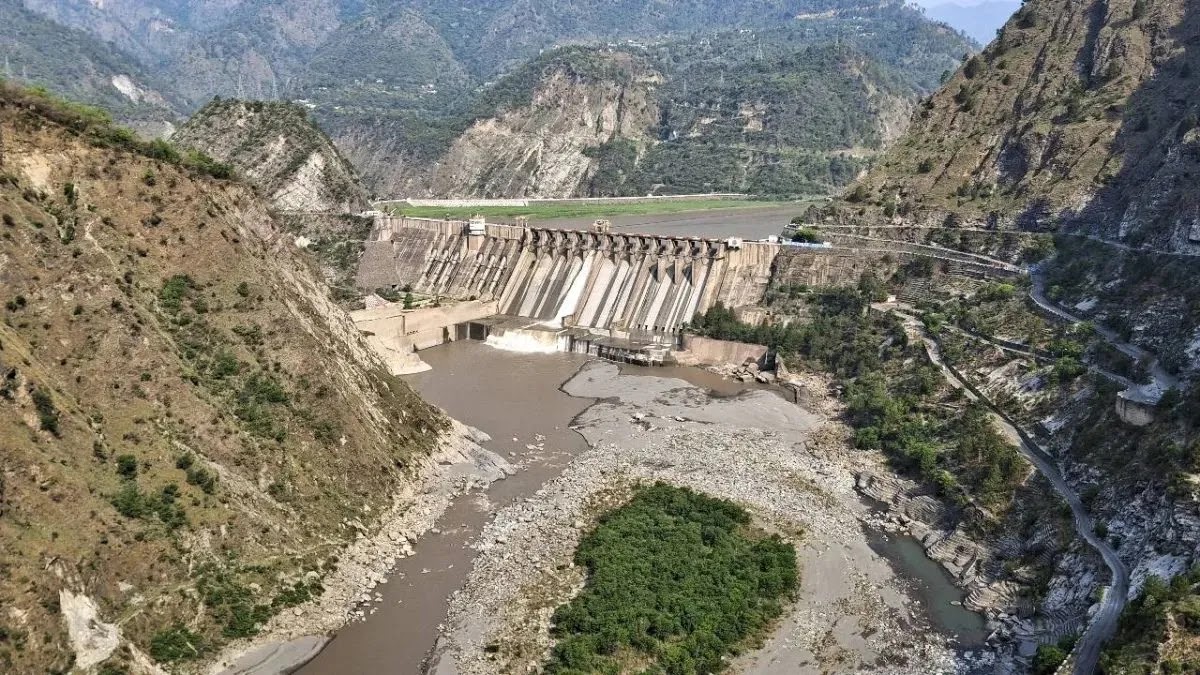
The Shahpur Kandi barrage project on the Ravi River was envisaged in 1979, with an agreement between Punjab and Jammu and Kashmir to build the Ranjit Sagar dam and downstream barrage to stop water flow to Pakistan. The foundation stone was laid by Indira Gandhi in 1982, with a 1988 deadline. The Ranjit Sagar dam completed in 2001, but barrage work stalled due to interstate disputes. Declared a national project in 2008, construction began in 2013 but halted in 2014. The Modi government brokered an agreement in December 2018, providing Rs 485 crore grant, resuming work for completion by March 31, 2026.
Implications of the Indus Waters Treaty Suspension
The 1960 Indus Waters Treaty allocates eastern rivers (Sutlej, Beas, Ravi) fully to India and western rivers (Indus, Jhelum, Chenab) to Pakistan. Historically, surplus eastern river waters flowed to Pakistan due to inadequate Indian infrastructure. The Pahalgam terror attack in 2025, killing 26 tourists, led to treaty suspension, enabling unrestricted eastern river use. Union Minister CR Patil stated in February 2026 that Indus waters to Pakistan would be stopped for India's interest. The barrage falls outside the treaty as India has rights over Ravi.
Impacts on India and Pakistan
From April 2026, the barrage will irrigate over 32,000 hectares in drought-prone Kathua and Samba districts of Jammu and Kashmir, and over 5,000 hectares in Punjab, addressing agricultural needs. J&K Minister Javed Ahmed Rana emphasized: "Excess water to Pakistan will be stopped. It has to be stopped." For Pakistan, an agrarian economy (agriculture 25% GDP, 80% land Indus-dependent), reduced Ravi flow disrupts crop production, food security, and urban supply in Lahore and Multan. Pakistan claims "weaponisation of water" and approached the Permanent Court of Arbitration in The Hague, but India rejects legitimacy.
Additional Projects and Statements
India accelerates hydro-power on Chenab (completion 2027-28) and resumes Wular barrage on Jhelum (halted 2012 due to attacks). PM Modi's "blood and water cannot flow together" underscores the stance. Rana dismissed Pakistan concerns: "Why are you bothered about Pakistan? They are a marginal presence. Let them stew in the problems of their own making."
Project Timeline
1979: Envisaged
1982: Foundation laid by Indira Gandhi
1988: Initial deadline
2001: Ranjit Sagar dam completed
2008: Declared national project
2013: Construction began
2014: Work halted due to dispute
2018: Agreement brokered, Rs 485 crore grant
2025: IWT suspended post-Pahalgam attack
2026: Completion by March 31; operational from April
The developments signal India's water sovereignty shift, escalating tensions over shared resources.
TL;DR
- India has operationalized the Shahpur Kandi barrage on the Ravi River from April 2026.
- The barrage halts surplus waters from flowing to Pakistan and diverts them for domestic use.
- It will irrigate over 32,000 hectares in Jammu and Kashmir's Kathua and Samba districts.
- The project also benefits over 5,000 hectares of agricultural land in Punjab.
- The project was envisaged in 1979 and stalled for 46 years due to disputes.
- Construction resumed in 2018 after a Modi government grant of Rs 485 crore.
- The 1960 Indus Waters Treaty was suspended after the 2025 Pahalgam terror attack.
- Pakistan has protested and approached the Hague, but India rejects the proceedings.
- Union Minister CR Patil stated Indus waters to Pakistan would be stopped for India's interest.
- PM Modi's "blood and water cannot flow together" underscores the firm stance.