Iran's Firm Response
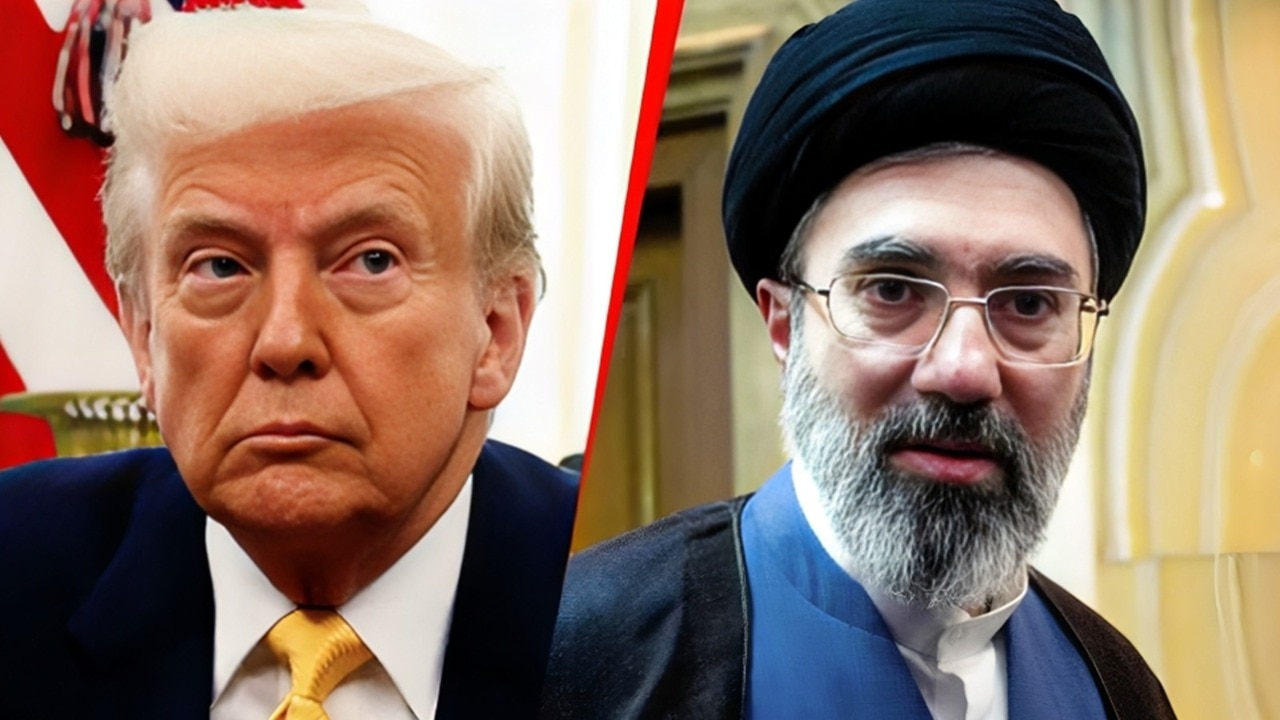
Iran has outright rejected the latest US ceasefire proposal sent through Pakistan. State news agency IRNA reported that Tehran is not interested in a temporary truce and instead wants a permanent end to the war with strong guarantees.
10-Point Framework
Iran’s response is structured as a comprehensive 10-clause plan. Key demands include full lifting of economic sanctions, formal recognition of its sovereignty and control over the Strait of Hormuz (including toll collection rights), acknowledgement of its right to uranium enrichment under the NPT, and compensation for war damages.
Regional Demands
The proposal also calls for an end to conflicts in Lebanon and Gaza, along with assurances that the war will not restart. Iran has made it clear it will not accept any deal under military pressure.
Current Stance
Iranian officials, including diplomats, have reiterated that they seek a comprehensive resolution rather than a short-term pause. This comes as the US continues operations and President Trump pushes for reopening the Strait of Hormuz.
Implications
The rejection indicates deep differences between the two sides. Mediators including Pakistan, Egypt, and Turkey are still trying to bridge the gap, but the gap remains wide on core issues like sanctions and Hormuz control.
TL;DR
- Iran rejected US ceasefire proposal conveyed through Pakistan.
- Demanded permanent end to war instead of temporary truce.
- Presented a 10-point framework including sanctions lift and Hormuz control.
- Wants recognition of uranium enrichment rights under NPT.
- Seeks end to conflicts in Lebanon and Gaza.
- Insists on war reparations and guarantees against future attacks.
- Response reported by IRNA on April 6, 2026.
- Mediators including Pakistan, Egypt, and Turkey involved.
- Comes as US continues operations in the region.
- Highlights wide gap between Iranian and American positions.