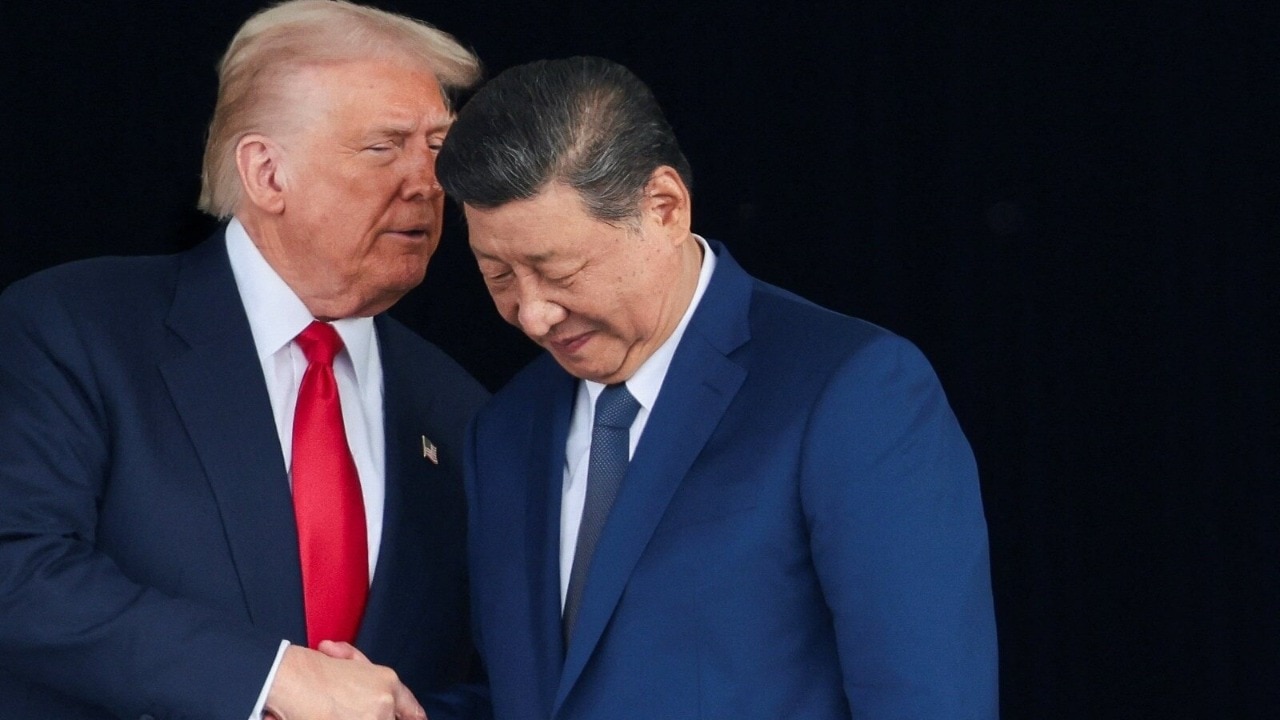
On February 4, 2026, US President Donald Trump held a telephone conversation with Chinese President Xi Jinping. Hours later, Trump posted on Truth Social that the call was “excellent” and claimed discussions on China purchasing US agricultural, aviation, and energy products, as well as topics like Taiwan, Iran, and the Russia-Ukraine war. Beijing’s official readout via Xinhua, however, made no mention of these purchases or geopolitical issues beyond Trump’s praise for Xi and acknowledgment of China’s Taiwan concerns. The Chinese statement focused on Xi’s emphasis that Taiwan is a core Chinese issue and a warning against US arms sales to the island. Trump’s post mirrored his behavior after a call with Indian Prime Minister Narendra Modi on February 2.
After that call, Trump announced on Truth Social that India would stop buying Russian oil, invest in US projects, buy American agricultural goods, and eliminate tariffs on US imports—claims India’s Commerce Minister Piyush Goyal refuted, stating a joint statement on the trade deal would come in four to five days. Goyal stressed any deal would protect Indian farmers and serve national interests. Critics in India saw Trump’s announcement as premature and bullying. In both cases, Trump issued one-sided readouts before official bilateral statements, bypassing protocol. No joint statement was released after the Xi call, leaving Trump’s claims unsubstantiated by Chinese sources. The pattern highlights Trump’s tendency to publicize self-aggrandizing versions of diplomatic exchanges. In my view, such actions undermine trust in international diplomacy, as they prioritize personal narrative over collaborative verification. Hoping for more restrained communication to foster genuine progress in US-China and US-India relations.
TL;DR
- Trump posted on Truth Social about his February 4 call with Xi Jinping, calling it “excellent.”
- Trump claimed discussions on China buying US agriculture, aviation, and energy products.
- Xinhua’s readout omitted these claims, focusing on Taiwan and US-China relations.
- Xi emphasized Taiwan as China’s core issue and warned against US arms sales.
- Trump’s post echoed his claims after a call with Modi on February 2.
- Trump claimed India would stop buying Russian oil and eliminate US tariffs.
- India’s Commerce Minister Piyush Goyal denied a finalized trade deal, expecting a joint statement soon.
- Goyal assured any deal would protect Indian farmers and national interests.
- No joint statement was released after the Xi call.
- Trump’s actions bypassed official bilateral protocols in both cases.