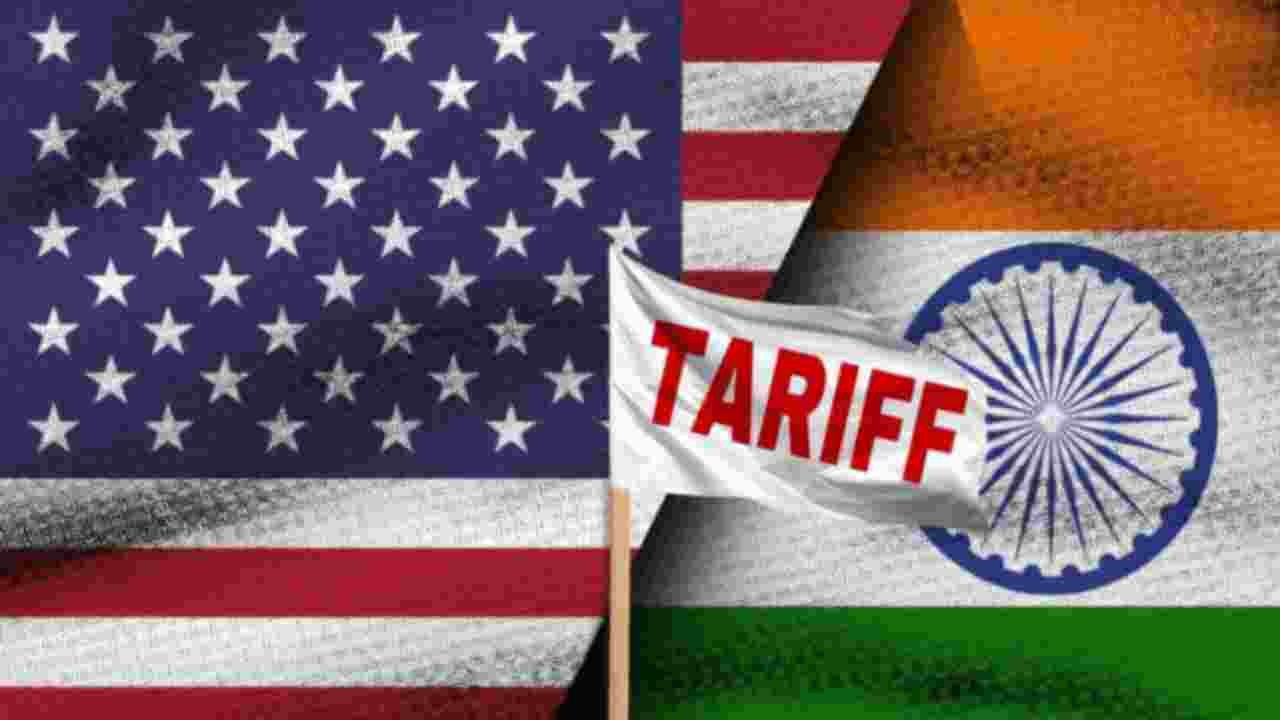
Trade disputes between major economies like this US-India pulse tariff issue remind me how interconnected global food supply chains are—small policy shifts can ripple across farms and tables worldwide. On January 16, 2026, senators Kevin Cramer (North Dakota) and Steve Daines (Montana) sent a letter to Trump pressing him to challenge India's 30% duty on US yellow peas, imposed October 30 and effective November 1. They called it "unfair," disadvantaging US growers in India's massive pulse market (27% global consumption) where North Dakota and Montana lead production.
The senators noted prior advocacy during Trump's first term, including a 2020 letter to Modi during Ahmedabad talks that advanced negotiations after India's GSP removal in 2019. Viewed as India's silent retaliation to Trump's 50% tariffs on Indian imports, the move went unpublicized but impacts bilateral talks. US seeks wider access to India's agriculture and dairy—sensitive red lines for New Delhi protecting farmers.
Persistent barriers like pulses tariffs hinder progress. In my view, this highlights mutual retaliatory risks derailing deals—Trump's transactional style clashes India's domestic priorities. Hoping constructive dialogue resolves without escalation harming producers both sides; balanced trade benefits all.
TL;DR
- Senators Kevin Cramer North Dakota Steve Daines Montana wrote Trump January 16 2026 urging action India's 30% pulse tariff.
- Duty imposed October 30 2025 effective November 1 on US yellow peas called unfair by senators.
- Disadvantages US producers world's largest pulse consumer India 27% global consumption.
- North Dakota Montana major US pea pulse producers impacted competitively.
- Letter recalls prior advocacy Trump's first term 2020 Modi letter Ahmedabad talks.
- Aided negotiations post India's GSP removal 2019 opening dialogue.
- Viewed India's silent retaliation Trump's 50% tariffs Indian goods.
- US seeks broader agricultural dairy market access India's sensitive sectors.
- Tariffs hinder ongoing bilateral trade deal negotiations progress.
- Persistent barriers like pulses duties challenge balanced equitable agreements.