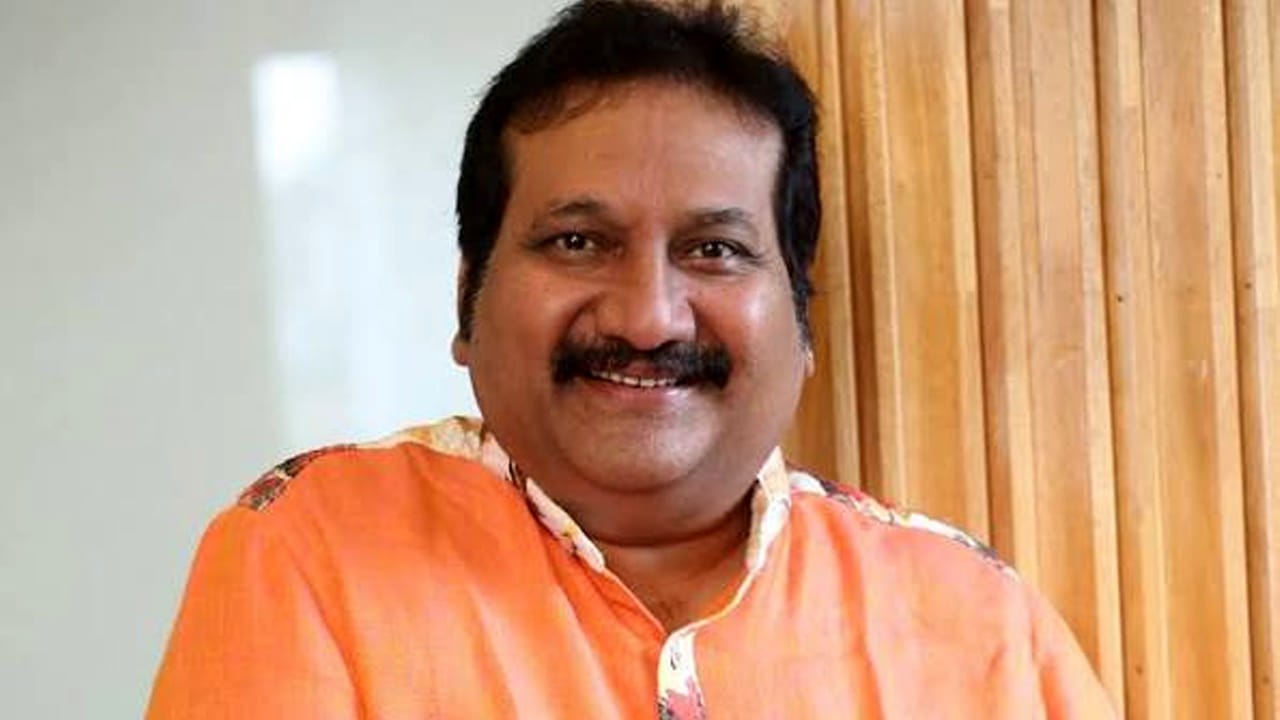
Veteran playback singer Mano has revealed that Superstar Rajinikanth personally phoned him after the Sivaji film to praise his dubbing work, and he says the call remains one of the most unforgettable moments of his career.
In an interview, Mano recalled the night the call came in. It was 10 PM, and his first reaction was suspicion. He thought someone was playing a joke on him. The voice on the other end changed his mind. When the caller said, “I am Rajinikanth speaking,” Mano realised it was real.
The praise was what stayed with him. According to Mano, Rajinikanth told him the dubbing was fantastic and that he had spoken better than the actor himself. Then came the line Mano says he will never forget: what should I do for you? For a technician, Mano said, there is no bigger recognition than that.
“Fantastic Sivaji… you spoke better than me. What should I do for you?”
Mano described being called by an international superstar as a matter of pure good fortune. He did not treat the moment as a routine compliment. He treated it as proof that the work of a dubbing artist had been noticed by the person it was meant to serve.
The singer also opened up about one of the toughest assignments of his dubbing career: Robo. Rajinikanth plays two very different characters in the film, and Mano had to give voice to both. For the robot, he had to speak without expression, like a machine, through the first half of the film. In the second half, emotions begin to rise. By the time the robot reveals its villainous side, the voice had to shift completely.
One line that Mano says carried the full weight of that transformation was “Nannevvaru antha cheyaleru,” roughly meaning no one can finish me. Delivering a line like that required bringing real intensity into the voice without losing control of the character. Mano framed it as the core of what dubbing demands.
He also spoke about Rajinikanth’s dialogue delivery, which he described as remarkably clear and fast. Mano pointed to the playful lines such as “Podugga guddutha, kodikura vandava?” and said they had stayed with him long after he finished dubbing them. The rhythm of those lines, he suggested, is not easy to match.
Behind the glamour, Mano was candid about the thankless side of the craft. Dubbing, he argued, requires as much skill as singing. An artist takes a film made in one language, translates it into another, matches lip movements and still has to capture the emotions of the original performance. Mano said the difficulty is well understood inside the industry, yet the artists doing this work rarely receive the recognition they deserve.
For Telugu audiences, one of the most interesting parts of the interview is his account of Kamal Haasan’s Sathi Leelavathi. Mano said bringing the Coimbatore slang of the film into Telugu was a real challenge. His solution was to use Godavari slang, giving the Telugu version a voice rooted in a region that Telugu viewers would instantly recognise.
Mano also recalled dubbing for Raghuvaran in Mani Ratnam’s Anjali and for Sarath Kumar in Bunny. In the Anjali experience, he said Mani Ratnam personally asked him to bring out a softer quality in Raghuvaran’s character, so that the villainy would give way to gentleness. That kind of direct guidance from a director, he said, shaped how he approached the role.
These stories come from a career that has now crossed 25 years in music. Mano said he still feels surprised each day that he has had the chance to sing in so many languages and with so many music directors. He described his journey as the result of a previous life’s good deeds, and he credited divine grace for his entry into music. He drew comparisons with giants such as K.J. Yesudas and Unni Krishnan when talking about the path he has walked.
What emerges from the interview is a picture of a voice artist who spent decades working behind the screen while millions connected with the characters he helped bring to life. The Rajinikanth call gave that hidden work a moment in the spotlight. For Mano, it was not just a compliment from a superstar. It was recognition that the voice behind the performance matters too.
TL;DR
- Mano says Rajinikanth personally phoned him at 10 PM after Sivaji to praise his dubbing work.
- Mano first suspected a prank, but the caller said, “I am Rajinikanth speaking,” and the call was real.
- Rajinikanth reportedly told him he had spoken better than the actor himself and asked what he could do for him.
- Mano voiced both the emotionless robot and the villain in Robo, shifting the voice across the film.
- He says dubbing demands as much skill as singing, yet dubbing artists rarely get the recognition they deserve.
- Mano used Godavari slang to adapt Coimbatore slang for Kamal Haasan’s Sathi Leelavathi in Telugu.