Companies across India are leasing more flexible office space than ever, a shift that is reshaping how firms plan their real estate as the country’s office market hits record levels.
Gross office leasing across India’s top seven markets reached 61.06 million sq ft between January and September 2026, the highest for the first nine months of any year, according to JLL. Within that total, flexible workspace operators accounted for a record 13.83 million sq ft.
Why businesses are stepping away from long leases
A traditional office lease is a bet on the future. Companies estimate headcount, space needs and where the business will stand years from now, then sign and spend on interiors. But business plans often move faster than leases. Hiring can slow, teams can outgrow forecasts, and firms entering new cities may not know how large their operations will become.
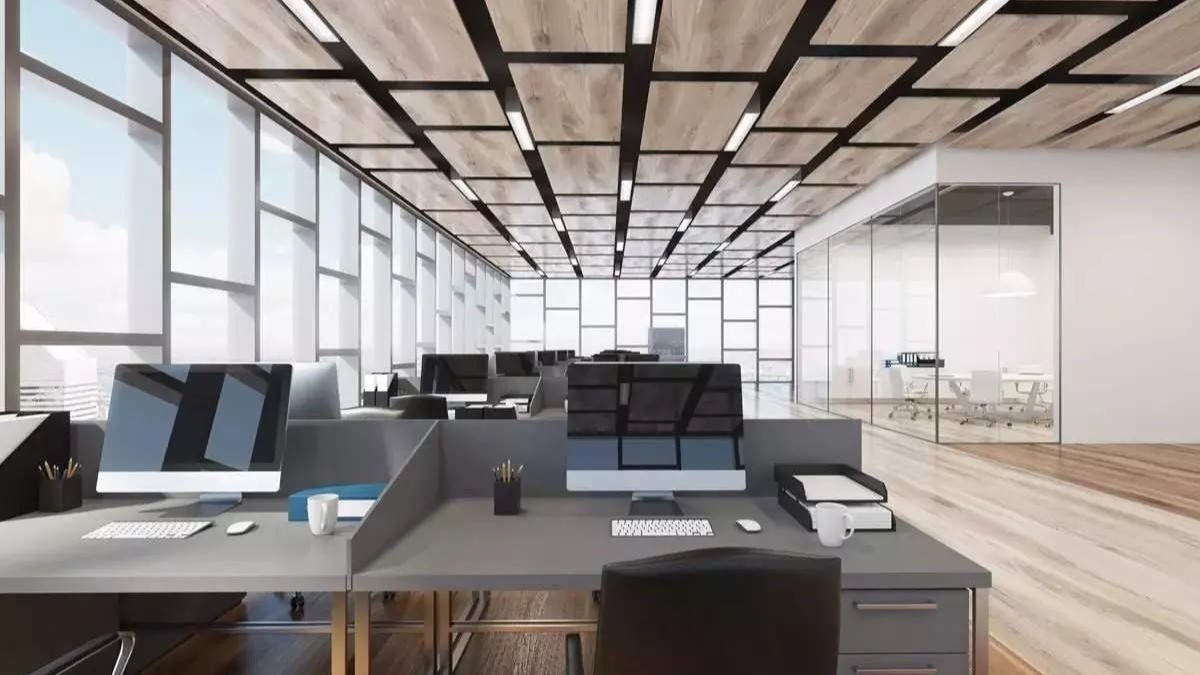
Flexible workspaces are ready-to-use offices that companies can occupy without building their own premises, adding or reducing seats as teams change. For firms entering a new city, that can mean running operations far sooner, without months spent finding a property, negotiating a lease and fitting out the space.
The appeal, according to the reporting, is not mainly lower cost. It is the ability to avoid committing to more space than a business may eventually need.
Flex is no longer just for startups
Flexible operators now offer managed offices, enterprise suites and customised workplaces for larger teams, moving beyond the coworking desks long associated with freelancers and startups.
Global Capability Centres (GCCs) accounted for 44% of total flexible workspace seats leased in the first half of 2026, up from 37% for the full year 2025, according to Cushman & Wakefield. GCCs, which handle technology, engineering and analytics for global businesses, leased 26.2 million sq ft across the conventional market between January and September 2026, up 30.6% year on year, and made up 42.9% of total office leasing.
Flex is adding to the market, not replacing it
Conventional offices still matter. JLL said Mumbai and Delhi NCR recorded their lowest office vacancy levels in 16 years and 15 years respectively, as companies kept favouring established business districts and premium assets.
The emerging pattern is a mix of workplaces: a headquarters retained, managed offices in other cities, flexible space used to test a new market, and seats added as hiring picks up.
Ramita Arora, Executive Managing Director, Bengaluru and Head of Flex, India, at Cushman & Wakefield, said flexible workspaces were becoming part of long-term corporate real estate planning. "Flex and managed office solutions are becoming an integral part of long-term workplace planning," she said.
Key Facts
Gross office leasing in India’s top seven markets reached 61.06 million sq ft between January and September 2026, according to JLL.Flexible workspace operators leased a record 13.83 million sq ft in the same period.Cushman & Wakefield reported flex leasing of 8.4 million sq ft across the top eight cities in H1 2026, up 55% year on year.Flex’s share of total office leasing rose to nearly 20%, from 13% a year earlier.GCCs took 44% of flexible workspace seats leased in H1 2026.Are flexible offices only for small companies?
No. Operators now offer managed offices and enterprise suites for larger teams, and GCCs account for a growing share of flexible seats leased.
Is flexible space replacing traditional offices?
Not according to the reporting. Demand for quality conventional office space remains strong, and companies are increasingly mixing both types of workplace.
TL;DR
- Flexible workspace leasing hit a record 13.83 million sq ft in India’s top seven markets between January and September 2026, per JLL.
- Flex operators’ share of total office leasing rose to nearly 20%, up from 13% a year earlier.
- Companies want to scale teams without committing to five- or 10-year office leases.
- GCCs took 44% of flexible seats leased in the first half of 2026.
- Conventional offices still matter, with Mumbai and Delhi NCR at multi-year low vacancy.