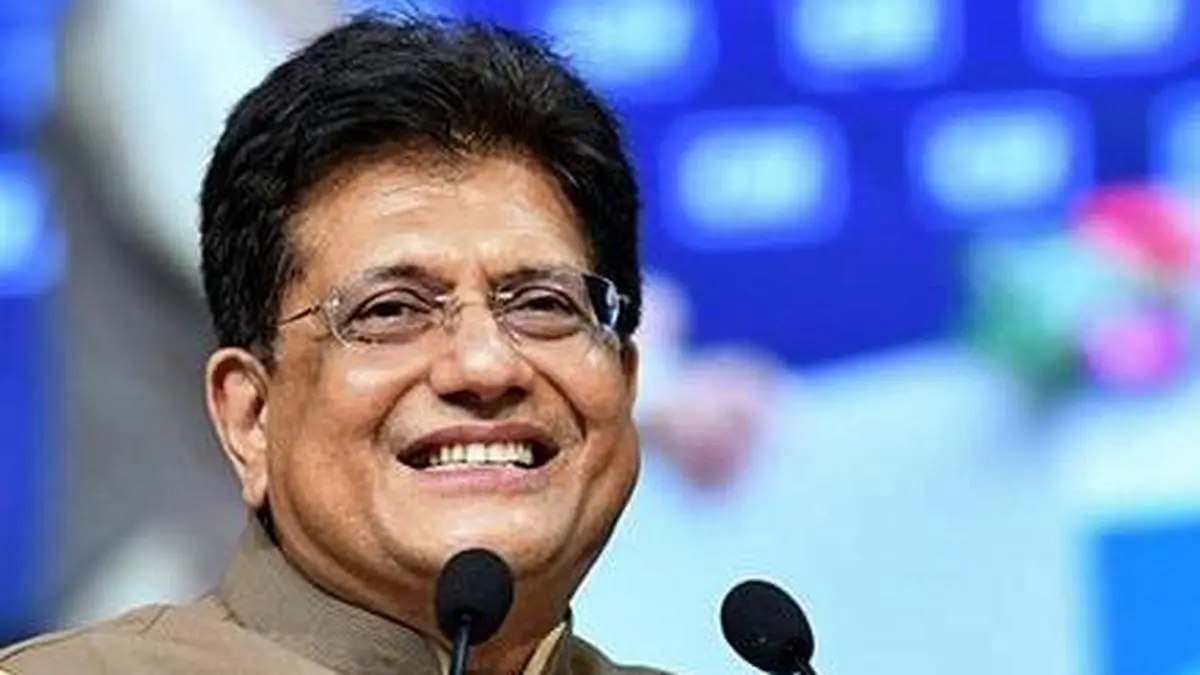
Commerce and Industry Minister Piyush Goyal said on Friday that a trade agreement with the United States is close to conclusion, with the process and pathway now taking some shape. He made the remarks while addressing the India Debt Capital Market Summit 2026 virtually.
The timing matters. The US Trade Representative, or USTR, proposed fresh Section 301 tariffs of up to 25 per cent on Indian goods earlier this week, in a report on structural excess capacity across 14 economies released on Wednesday. The tariff figure is net of existing Section 301 duties. The USTR also said the rate could fall to 17 per cent if a trade deal is concluded.
How India Compares With Its Rivals
The 17 per cent proposal sits above the 15 per cent suggested for the European Union, Japan, South Korea, Switzerland and Taiwan. It is below the 18 per cent proposed for Bangladesh, Cambodia, Indonesia, Malaysia and Thailand. Vietnam faces a proposed rate of 35 per cent, which could be capped at 20 per cent under a deal. China’s duties could be 20 per cent, possibly on top of its existing 20-25 per cent. Singapore could get 10 per cent with a deal, rising to 20 per cent without one. Pakistan and Turkey are not among the 14 economies covered and are not likely to face fresh tariffs.
Some exporters are unimpressed. A Mumbai-based exporter said the 1-3 per cent edge over some Asian competitors is too slim to make a real difference. The exporter argued that Turkey, and to a lesser extent Pakistan, could pose a challenge because they do not face the additional duties under this probe. Negotiators, the exporter said, need to push for a far better margin.
Why the Framework Stalled
India and the US announced a framework for an interim bilateral trade agreement in early February. Under that framework, Washington proposed bringing reciprocal tariffs on India down to 18 per cent from a total of 50 per cent, which included 25 per cent tariffs imposed for purchases of Russian oil. In return, India was to offer steep tariff concessions on all US industrial goods and a range of agricultural items.
Talks then ran into uncertainty after the US Supreme Court struck down the Trump administration’s reciprocal tariffs imposed under the International Emergency Economic Powers Act, known as IEEPA. That ruling overturned the tariff structure on which the framework had been built.
Where Tariffs Stand Right Now
India currently faces an additional 10 per cent tariff under the Section 301 findings on forced labour. As many as 59 other countries, including most of India’s competitors, face similar tariffs ranging between 10 and 12.5 per cent.
Key Facts
Piyush Goyal said on Friday that the US trade deal is close to culmination.The USTR proposed Section 301 tariffs of up to 25 per cent on Indian goods, reducible to 17 per cent with a deal.The proposed 17 per cent rate is above the 15 per cent suggested for the EU and Japan.India’s interim framework from early February proposed cutting reciprocal tariffs to 18 per cent from 50 per cent.India currently faces a 10 per cent Section 301 tariff on forced labour grounds.Did the US Supreme Court ruling change the trade framework?
Yes. The Supreme Court struck down the reciprocal tariffs imposed under IEEPA, overturning the tariff structure on which the February framework had been negotiated.
Which countries face the highest proposed tariffs?
Vietnam faces a proposed rate of 35 per cent, which could be capped at 20 per cent under a trade deal. China’s duties could be 20 per cent, possibly in addition to existing duties.
TL;DR
- Piyush Goyal says the US trade deal is nearing conclusion.
- USTR proposed Section 301 tariffs of up to 25% on Indian goods.
- Tariff could drop to 17% if a reciprocal trade deal is struck.
- Exporters say India’s edge over some Asian rivals is too narrow.
- The February framework stalled after the US Supreme Court struck down IEEPA tariffs.
- India currently faces an additional 10% Section 301 tariff on forced labour.