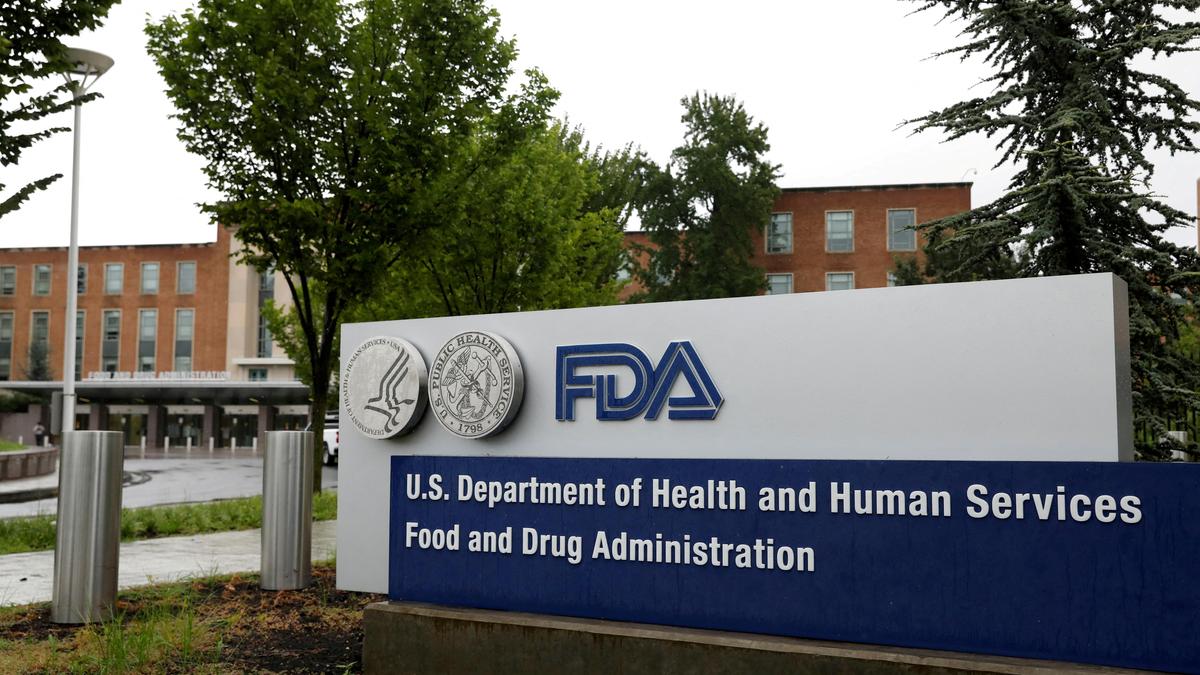
The US Food and Drug Administration has created a new internal safety body to keep watch on vaccines, gene therapies and blood products once they reach the market, the agency said Thursday. The group is called the CBER Safety Council, and it sits inside the agency’s Center for Biologics Evaluation and Research.
The council reports directly to the director of that center. The FDA said the setup separates post-market safety reviews from the offices that approve these products in the first place. The council takes effect on November 19.
Replacing the old working group
The council supersedes CBER’s existing Safety Working Group. It brings together senior scientific and regulatory officials who review safety signals, carry out benefit-risk assessments and recommend regulatory actions where warranted.
Regulators have faced growing pressure to watch newer biologic products closely after approval. Once a product is licensed, it is used across far broader patient populations, and gene and cell therapies are a particular concern.
What the council’s mandate covers
The mandate covers emerging safety concerns, possible labeling changes, risk-management measures and safety-related post-market studies. The council will also advise on potential market withdrawals.
In its announcement, the FDA put the goal this way:
The council is intended to improve accountability and transparency as biologic products grow increasingly complex, particularly in cell and gene therapy.
The agency pointed to cell and gene therapy, a sector that has seen rapid regulatory expansion in recent years, as the area where the change matters most.
Surveillance systems and coordination
The council will coordinate with the US Centers for Disease Control and Prevention and the National Institutes of Health. It will draw on surveillance systems including the Vaccine Adverse Event Reporting System (VAERS) and the FDA Sentinel program.
The FDA has not yet said who will sit on the council. The agency said additional details on its structure and membership will be released later.
Key Facts
The CBER Safety Council takes effect on November 19.The council reports directly to the director of the FDA’s Center for Biologics Evaluation and Research.It supersedes CBER’s existing Safety Working Group.Its mandate includes safety signals, labeling changes, risk-management measures and advice on potential market withdrawals.It will coordinate with the CDC and the NIH, using VAERS and the FDA Sentinel program.When does the council take effect?
The council takes effect on November 19, according to the agency. Additional details on its structure and membership will be released later.
Who will the council report to?
It reports directly to the director of the FDA’s Center for Biologics Evaluation and Research. The FDA said this structure separates post-market safety reviews from the offices responsible for approving products.
Which safety data sources will it use?
The council will draw on the Vaccine Adverse Event Reporting System and the FDA Sentinel program. It will also coordinate with the CDC and the NIH.
TL;DR
- The FDA has created the CBER Safety Council to review safety signals in approved vaccines, gene therapies and blood products.
- The council replaces CBER’s existing Safety Working Group and reports directly to the center’s director.
- It will advise on labeling changes, risk-management measures, post-market studies and potential market withdrawals.
- The council will coordinate with the CDC and NIH, drawing on VAERS and the FDA Sentinel program.
- The council takes effect November 19, and details on its membership will be released later.