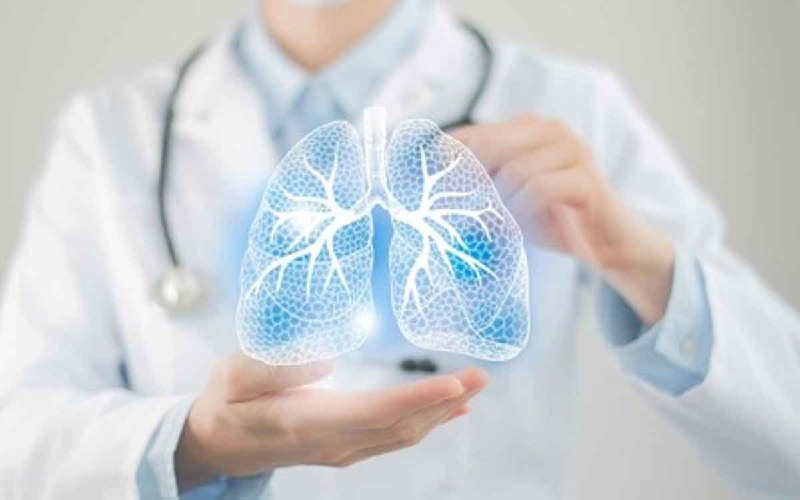
Doctors are urging people in Delhi and several parts of north India to pay close attention to their lung health as air pollution intensifies over the winter months. Physicians say the damage builds quietly, and the people most exposed are often the ones who least expect it.
The main culprit is PM2.5, the tiny particulate matter that can slip deep into the airways. Vehicle exhaust, dust from construction sites and smoke from indoor sources such as cooking and heating all add to the load. Doctors say these pollutants directly affect respiratory health, and the effect is not limited to people who already have breathing problems.
Protecting the airways on bad air days
The simplest step is also the one people most often skip. Experts advise limiting time outdoors when pollution is high. Checking the Air Quality Index before heading out gives a clear signal of when to stay in.
Masks matter, but not every mask works the same way. A properly fitted N95 mask offers a measure of protection against fine dust particles. Ordinary cloth masks and surgical masks do not offer the same level of defence. People who must step outside on heavily polluted days should not rely on a loosely worn mask and assume they are safe.
Indoor air needs attention too. Doctors point to cooking smoke, incense sticks, mosquito coils and fumes from cleaning chemicals as common sources of indoor pollution. Reducing these where possible and keeping the kitchen well ventilated helps cut down what family members breathe in every day.
Breathing exercises, with a catch
Doctors recommend five to ten minutes of diaphragmatic breathing every day. This means breathing through the belly rather than the chest, while keeping the lips slightly closed and letting the air out slowly. Pranayama techniques such as anulom vilom can also be practised at a comfortable pace. Experts say these exercises improve control over breathing and can make it easier to cope with breathlessness.
There is an important warning attached. People with asthma or COPD should only begin or continue such exercises on a doctor’s advice. For them, what helps one person may not suit another.
Physical activity is good for the body, but timing matters. Around 30 minutes of walking or cycling each day builds stamina. Yet exercising outdoors during heavy pollution means drawing larger amounts of polluted air into the lungs. On such days, people should check AQI levels and move their workout indoors.
Why water and steam are not the whole answer
Drinking enough water through the day helps keep the mucus lining the airways in a normal state. That mucus plays a natural role in moving dust and microbes out of the body. Doctors add a caveat, though. Water needs vary from person to person, so there is no single amount that fits everyone.
Steam is often used as a quick fix for a blocked nose, and it can give temporary relief. However, it does not make the lungs stronger or increase their capacity. Hot steam can also cause burns, especially in children, so it should be used with care.
Vaccines help, but they do not cancel out pollution
Doctors say flu, pneumococcal and COVID-19 vaccines, taken on medical advice, can lower the risk of respiratory infections. Those infections often hit harder when the air is already poor. The vaccines, however, do not prevent the harm that pollution does to the lungs. Protection against infection and protection against pollution are two separate tasks.
Smoking, breathing in other people’s smoke and vaping also remain firmly on the list of habits to avoid. Doctors are clear that none of these help lung health in a polluted winter.
When a cough should not be ignored
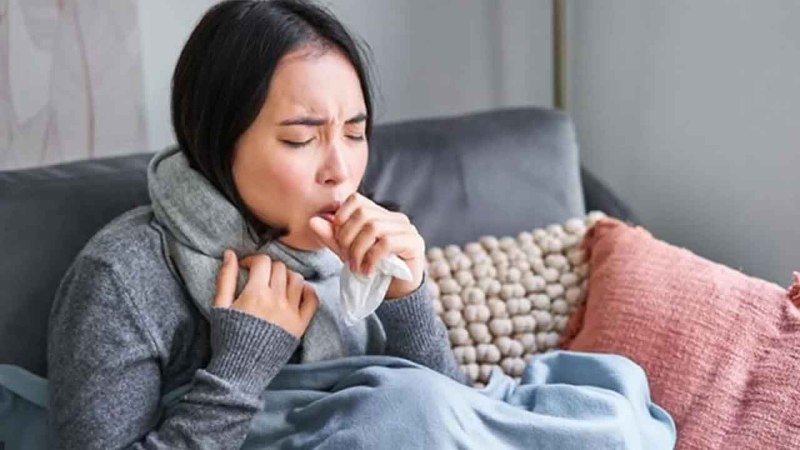
The warning signs are easy to dismiss as seasonal discomfort. A cough that lingers for a long time, a whistling or wheezing sound while breathing, frequent respiratory infections and difficulty breathing all need attention. Doctors say these symptoms should not be brushed aside.
If needed, doctors may order spirometry or chest tests to understand what is happening inside the lungs. Early medical help can make a difference, especially for people who already have a lung condition or who are repeatedly exposed to polluted air.
Experts say that reducing exposure to pollution is just as important as getting medical help early when symptoms appear.
The message from doctors is consistent. Breathing exercises, exercise, water and sensible mask use all support lung function. But they work best when people also cut down their exposure to pollution and seek medical care without delay when warning signs appear. For many residents of north India this winter, that combination may matter more than any single habit.
TL;DR
- Doctors urge people in Delhi and north India to protect their lungs as winter air pollution rises.
- Properly fitted N95 masks offer more protection against fine dust than cloth or surgical masks.
- Doctors recommend five to ten minutes of daily diaphragmatic breathing, but asthma and COPD patients should consult a doctor first.
- On high-pollution days, exercise indoors and check AQI levels before heading outside.
- Persistent cough, wheezing, breathlessness and frequent infections should prompt early medical checks, including spirometry.