
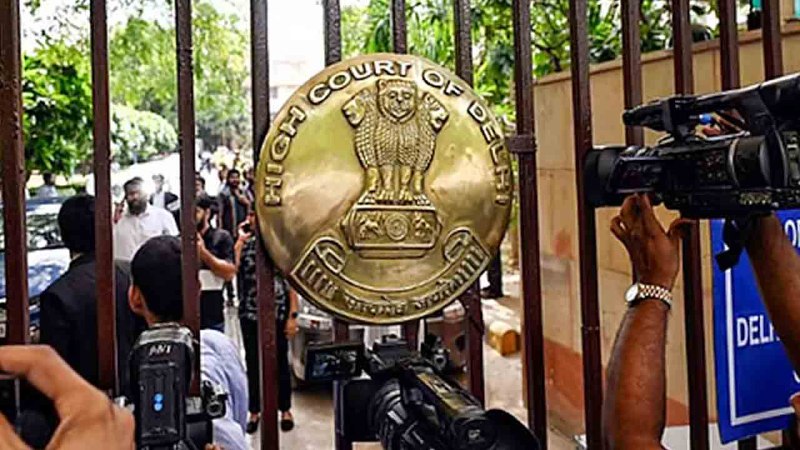
The Delhi High Court has ruled that an Aadhaar card cannot be used to prove a person’s date of birth. The judgment, reported from New Delhi on November 20, 2026, draws a firm line between identity and age.
What the Aadhaar Act actually recognises
The court said the Aadhaar Act treats the Aadhaar number as proof of a person’s identity and nothing more. A card that confirms who you are does not, on its own, confirm when you were born.
How birth dates are recorded
The court pointed to an office memorandum issued by the Unique Identification Authority of India (UIDAI) in 2018. According to that memorandum, a cardholder’s date of birth is recorded based on the documents the holder submits, or on a self-declaration.
An Aadhaar card is not a document that validates a person’s date of birth.
Why the ruling matters for cardholders
Many people have treated Aadhaar as a general-purpose proof of age. The verdict makes clear that the date of birth printed on the card rests on other documents or on what the holder declared, not on the Aadhaar number itself. Anyone who needs to prove their age for a legal or official purpose will need to rely on a document that can establish it.
Can an Aadhaar card be used as proof of date of birth?
No. According to the Delhi High Court, an Aadhaar card is not a document that validates a person’s date of birth. The Aadhaar number is recognised only as proof of identity.
TL;DR
- Delhi High Court rules Aadhaar card is not proof of a person’s date of birth.
- The Aadhaar Act recognises the Aadhaar number only as proof of identity.
- UIDAI’s 2018 office memorandum says birth dates are recorded from submitted documents or self-declaration.
- The ruling was reported from New Delhi on November 20, 2026.
- Anyone who has used Aadhaar to prove their age may need other documents.