The Shift Toward Coalition Politics in India
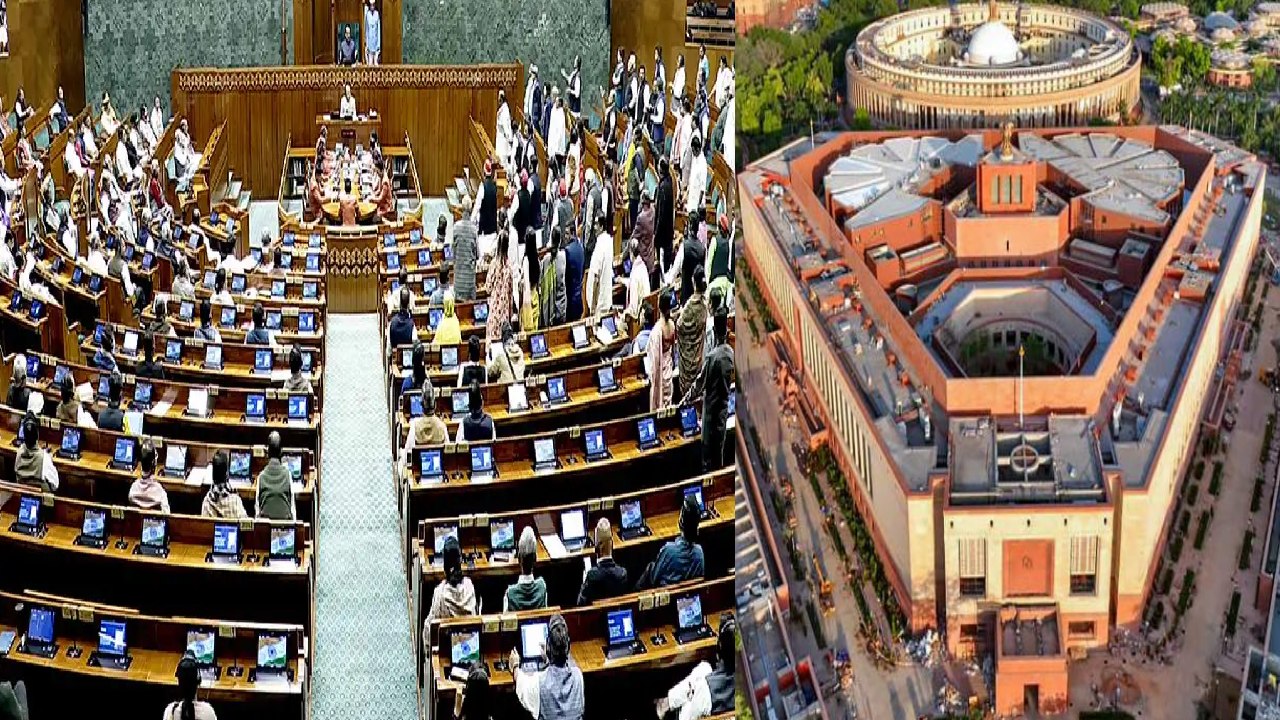
As the political landscape shifts across India, analysts note that the era of single-party dominance is giving way to coalition governments. In a parliamentary democracy defined by arithmetic, numbers dictate power in New Delhi. Observers point out that regional parties leverage their parliamentary strength to secure crucial funding, infrastructure projects, and policy concessions from the central government, highlighting a model where states with decisive numbers dictate terms rather than waiting for handouts.
The Advantage of Parliamentary Leverage
Recent political dynamics demonstrate how regional leaders use numerical strength to demand resources. According to political commentaries, neighboring states secure substantial financial assistance for infrastructure, industrial corridors, and capital development because their MPs hold decisive influence in New Delhi. Political analysts argue that without a strong contingent of dedicated regional voices in Parliament, states risk losing out on crucial water projects, industrial investments, and statutory rights.
సంకీర్ణ యుగంలో ఒక్కో ఎంపీ ఒక్కో అస్త్రం! అసమర్థులకు అస్ర్తాన్నిస్తే.. జరిగేది అన్యాయమే! ఢిల్లీలో పొర్లాడే ఎంపీలు కాదు.. రాష్ట్రం కోసం పోరాడే ఎంపీలు కావాలె!
The Telangana Political Perspective
In Telangana, discussions center on whether sending national party representatives to Parliament adequately serves local interests. Critics of national parties argue that MPs belonging to pan-Indian organizations often fail to challenge central policies or lobby aggressively for regional demands, such as national project status for irrigation initiatives or the execution of pending bifurcation commitments. Proponents of regional representation maintain that electing a formidable bloc of local MPs remains the only effective mechanism to compel central authorities to address regional grievances.
Key Facts
Political analysts project that future central governments will increasingly rely on regional coalitions due to shifting voter alignments.Neighboring states have utilized parliamentary numbers to secure multi-billion-dollar packages for capital projects and industrial hubs.Critics argue that current national party MPs from Telangana have not secured dedicated central funding for major regional infrastructure.Why are coalition governments considered advantageous for regional parties?
Coalition governments depend on the numerical support of allied regional parties to maintain a parliamentary majority, giving those parties significant bargaining power to secure state funds and protect local rights.
How do regional parties influence central policy?
By leveraging their block of members of parliament, regional parties can pressure central administrations to fulfill statutory promises, allocate budgets, and prioritize local infrastructure projects.
TL;DR
- Regional parties argue that coalition eras strengthen federalism and protect state rights.
- Parliamentary numbers determine a state’s ability to extract central funds and concessions.
- Neighboring states leverage MP counts to secure major industrial and infrastructure packages.
- Critics claim national party MPs fail to lobby aggressively for regional demands.
- Securing a strong regional bloc in Parliament is framed as essential for local development.