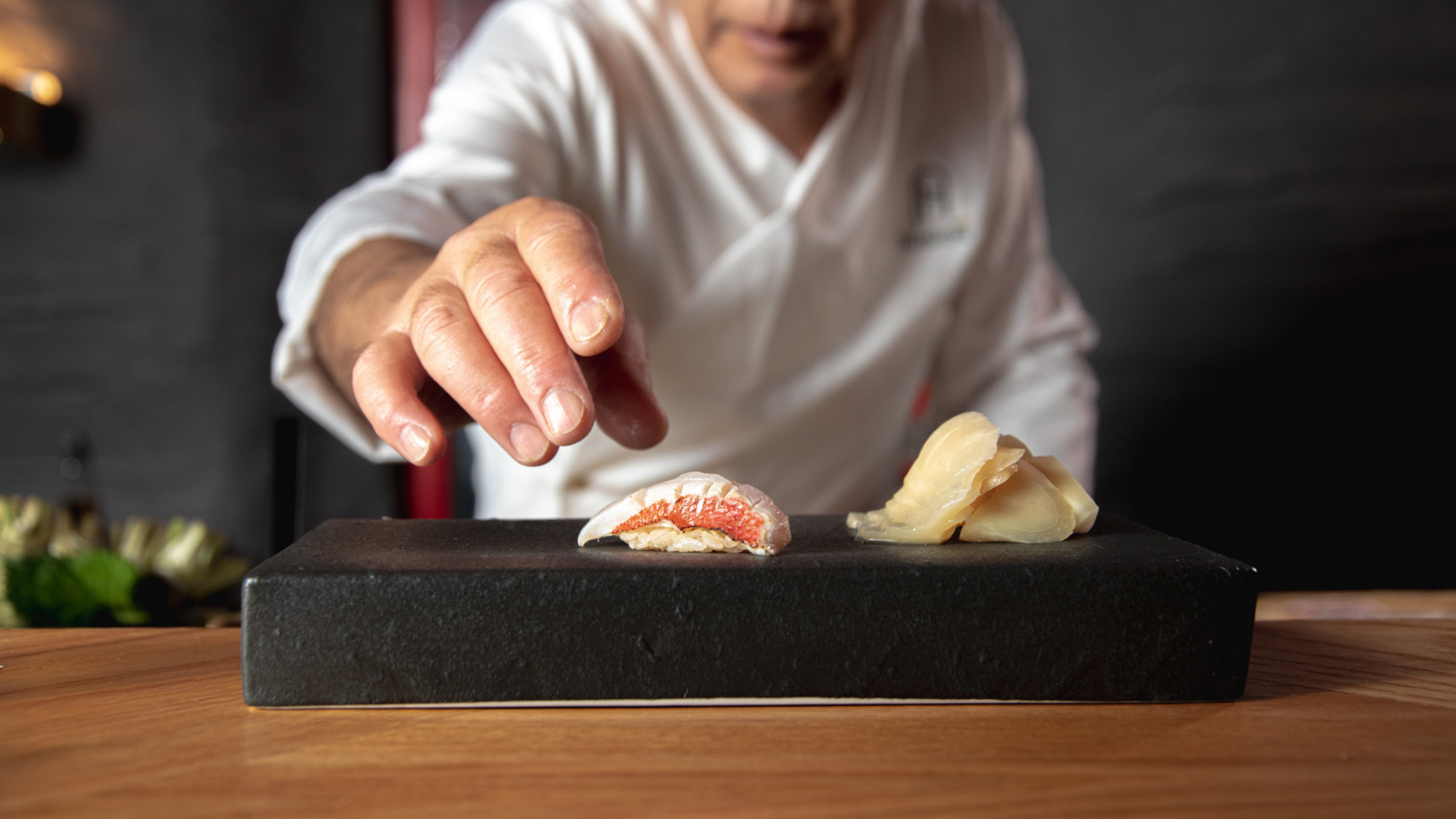
Omakase, originating from Japanese cuisine, translates to "I leave it to you" and involves entrusting the chef or mixologist to curate experiences based on guest preferences, the day's ingredients, and expertise. In Japan, it emerged in the mid-to-late 20th century with sushi, allowing respect for the chef's knowledge of daily fish quality, seasonal variations, and market conditions. This tradition has evolved into a broader dining and drinking trend, now adopted in Delhi's bars amid growing interest in Japanese culture, including skincare, cuisine, anime, manga, and travel.
Delhi-NCR establishments like Megu, threesixtyone, INJA, and Adrift Kaya offer omakase in fine-dining Japanese restaurants, where guests share preferences for multi-course meals curated by chefs. Bars are embracing this for cocktails, shifting from fixed menus to personalized creations. At Call Me Ten in Vasant Vihar, guests complete forms specifying base spirits, flavors, and intensity, enabling mixologists to craft unique drinks without prior knowledge of exact ingredients like dry vermouth or coconut water. The appeal lies in removing decision-making burden, especially for busy professionals like Shristi Gupta, who appreciates handing over choices after a day of work. She notes her preference for gin and fresh, sour notes, avoiding sweetness, allowing bartenders to excel. Other venues, such as PCO with its 12-seater speakeasy and Omakase by Ikigai, provide conversational experiences where mixologists match drinks to mood, weather, or nostalgia, like tangy vodka with kimchi or Parle-G infusions. Experts like Kula Naidu highlight omakase's Japanese roots as a trusted relationship, reflecting the chef's personality through real-time curation. Karann R. Chawla emphasizes the contemporary sensibility, blending technique with accessibility. This trend aligns with India's cocktail-forward culture, where bars like Sidecar craft off-menu drinks, fostering trust-based relationships. Though niche, omakase signals a shift from extensive menus to focusing on the professional behind the counter, driven by global exposure and demand for personal touches. Pricing varies, typically Rs 800-1200 for bespoke cocktails, based on spirits or complexity, leaving some uncertainty compared to fixed menus.
Vibe View:
The omakase trend in Delhi bars evokes a sense of surrender and excitement, where the mundane act of ordering drinks transforms into an adventure of trust and discovery. Walking into a venue like Call Me Ten, filling out a simple form—gin-based, sweet-and-sour, no sweetness—and awaiting a mystery cocktail mirrors the thrill of Japanese sushi counters, but with a modern Indian twist. The air buzzes with anticipation; no menu to pore over, just the bartender's expertise shaping your evening. It's intimate, almost conversational, as mixologists probe preferences, palate, and even the day's vibe, crafting drinks that surprise yet satisfy. This vibe resonates with urban dwellers seeking escape from choice overload. After grueling workdays, sinking into a seat at PCO's hidden speakeasy, whispering preferences, and receiving a vodka infusion with amla murabba or nostalgic Parle-G flavors feels liberating. The element of surprise heightens enjoyment—will it be tangy, sour, or unexpectedly fusion? It's not just drinking; it's an experience curated for you, blending Japanese precision with Delhi's bold, experimental spirit. The atmosphere fosters connection: between guest and mixologist, reflecting personalities through liquid art. In a city embracing Japanese trends, from beauty to cuisine, omakase bars create a cozy, exclusive enclave amid bustling nightlife. Repeat visits build familiarity, turning strangers into regulars who trust the craft. It's contemporary yet rooted in tradition, accessible without losing intent, appealing to well-traveled souls craving personalization over standardization. Economically, it adds a premium allure, with costs around Rs 800-1200, justifying the uniqueness. Overall, the vibe is one of empowerment through relinquishment—handing over control for a tailored night out, shaking up routines with creativity and confidence.
TL;DR
- Omakase translates to "I leave it to you," originating in Japanese sushi culture for trusting chefs with daily ingredients and expertise.
- In Delhi, bars like Call Me Ten use forms for preferences (e.g., base spirit, flavors) to create bespoke cocktails.
- Examples include vodka drinks infused with amla murabba, kimchi, or Parle-G biscuit for nostalgia.
- Restaurants such as Megu, threesixtyone, INJA, and Adrift Kaya offer omakase meals alongside set menus.
- Appeal stems from reducing decision-making, as shared by professional Shristi Gupta who prefers gin and sour notes.
- PCO features a 12-seater speakeasy for reservation-only omakase cocktails.
- Experts note it's a trusted, conversational process blending Japanese technique with contemporary accessibility.
- Pricing ranges from Rs 800-1200, based on spirits or complexity.
- Trend reflects shift to chef/mixologist-focused experiences amid global Japanese influence in India.