Kasundi, the sharp, fermented mustard condiment that Bengalis now spoon over fish fry and mutton cutlets, was once kept almost like a treasure, according to Chef Ananya Banerjee. Historical food accounts describe it less as a sauce and more as a preserved mustard relish, made to last through the year.
Mustard oil was the principal cooking medium across Bengal, and the seeds were plentiful. Banerjee said generations of cooks learned to exploit mustard’s pungency in fish, vegetables and pickles, and over time fermentation turned ground mustard into the complex condiment known today.
How traditional kasundi was made
The classic method began after the mustard harvest, often in late winter or early summer. Seeds were cleaned, sun-dried, soaked and ground into a paste, then mixed with salt and spices and left to ferment in earthen or glass containers exposed to sunlight. Banerjee said the combination of salt, warmth and time encouraged controlled fermentation and preservation.
Household recipes typically combined black or brown mustard seeds for heat, yellow seeds for balance, salt, turmeric, green chillies and ginger. Some regional versions used raw mango, vinegar or citrus for sourness. The sharpness comes from the mustard itself. When crushed seeds meet water, they generate pungent mustard oils (isothiocyanates), and fermentation adds acidity and depth.
Many families also added coriander, fennel, cumin, pepper, bay leaf, cinnamon, radhuni, kalonji, cardamom or mace, and the exact blend varied from home to home. Recipes were guarded closely and passed from mothers and grandmothers to younger generations.
Rules of the kitchen and the shift to snacks
Writer Renuka Devi Chaudhurani, in her book Stree Aachar, described kasundi preparation as a highly regulated household activity tied to caste and seasonal customs. Banerjee said kasundi was consumed sparingly and treated almost like a precious preserve.
“Traditionally, kasundi was consumed sparingly and treated almost like a precious preserve.”
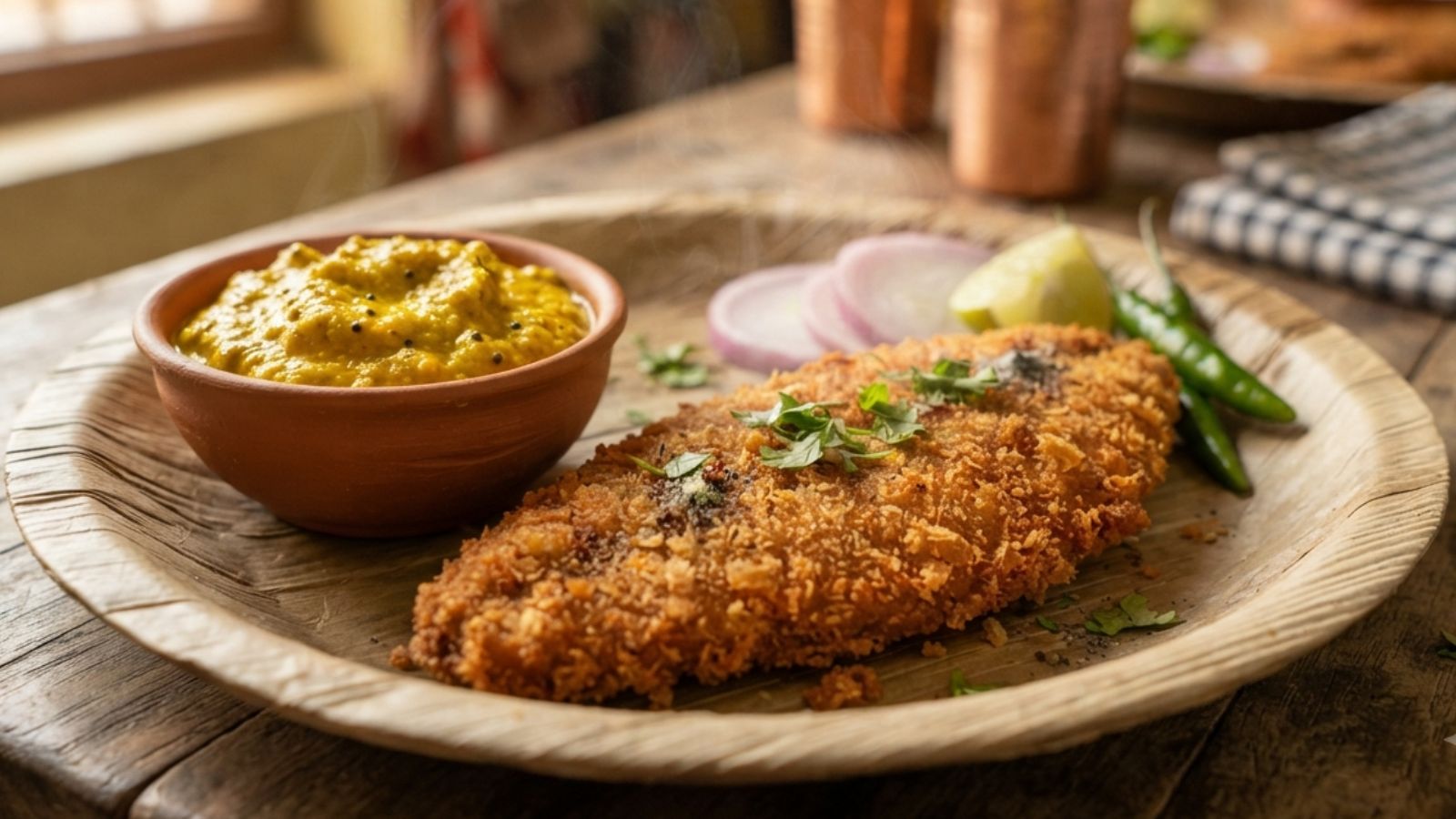
Historical accounts indicate it was often eaten with hot rice, leafy greens or vegetables, not fish fries and cutlets. Its association with fish fry, mutton cutlets, kobiraji, chops and telebhaja came later, through Bengal’s urban snack culture and commercial eateries.
Banerjee links the change to the twentieth century, when urbanisation, bottled food production, restaurant culture, the growth of Kolkata’s street-food traditions and easier packaging helped move kasundi from the home pantry to store shelves.
Bengalis still use it in plenty of other ways. It is mixed with steamed rice and green chillies, eaten with sautéed greens, added to guava (peyara makha), stirred into vegetable dishes and mustard gravies, and blended into fish and prawn preparations. It also goes into paturi marinades and sandwiches.
Styles that range from fiery to fruity
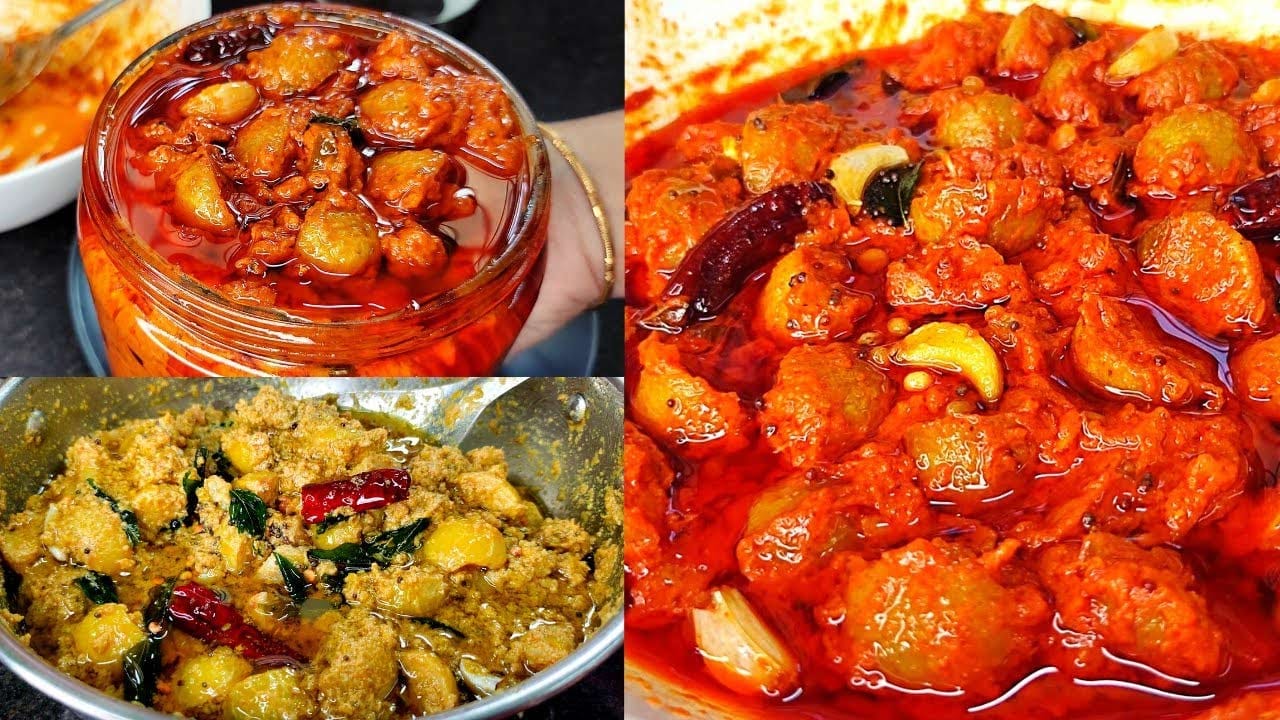
Jhal kasundi is the hottest and most common variety, heavy on mustard and chillies. Aam kasundi is made with raw green mango and is especially popular during mango season. Tomato kasundi is sweeter and milder and is popular in modern commercial production. Some traditional recipes add dried mangoes, olives or Indian plums.
Chefs and artisanal brands give kasundi a new life
Chefs now use kasundi as a flavouring, not just a condiment. It appears in marinades for fish and seafood, chicken preparations, sandwich spreads, burger sauces, salad dressings, dips, contemporary paturi dishes and fusion appetisers. Commercial and artisanal versions are now marketed internationally, Banerjee said.
Small-batch fermented kasundi, aam kasundi and extra-hot jhal kasundi have revived interest in traditional varieties. Banerjee said these revivals have introduced younger consumers to the condiment through sandwiches, wraps, dips, burgers and snack accompaniments, without replacing its older uses.
Key Facts
Kasundi is a fermented mustard preparation rooted in Bengal’s mustard-growing culture, according to Chef Ananya Banerjee.Traditional kasundi was made after the mustard harvest and fermented in earthen or glass containers exposed to sunlight.Historically it was paired with hot rice, leafy greens or vegetables rather than fish fry.Its link with fish fry and cutlets developed later through Bengal’s urban snack culture and commercial eateries.Main styles include jhal kasundi, aam kasundi and tomato kasundi.What are the main styles of kasundi?
Banerjee names jhal kasundi, the hottest and most common variety, aam kasundi made with raw green mango, and tomato kasundi, which is sweeter and milder. Olive, Indian plum and fruit-based kasundis also exist.
Is kasundi only eaten with fish fry?
No. Banerjee says Bengalis also use it with steamed rice, sautéed greens, guava, vegetable preparations, paturi marinades and sandwiches or rolls.
Who has written about how kasundi was traditionally made?
Renuka Devi Chaudhurani described kasundi preparation in her book Stree Aachar, presenting it as a regulated household activity tied to caste and seasonal customs.
TL;DR
- Kasundi was once a carefully fermented household preserve eaten in small amounts, not a sauce for fish fry.
- Traditional kasundi was made after the mustard harvest and left to ferment in sunlit earthen or glass containers.
- Historically it was served with hot rice, greens or vegetables. Its link with fish fry and cutlets developed later through Bengal’s urban snack culture.
- Renuka Devi Chaudhurani described kasundi-making as a regulated household activity tied to caste and seasonal customs.
- Chefs and artisanal brands now use kasundi in marinades, burgers, dressings and fusion appetisers.