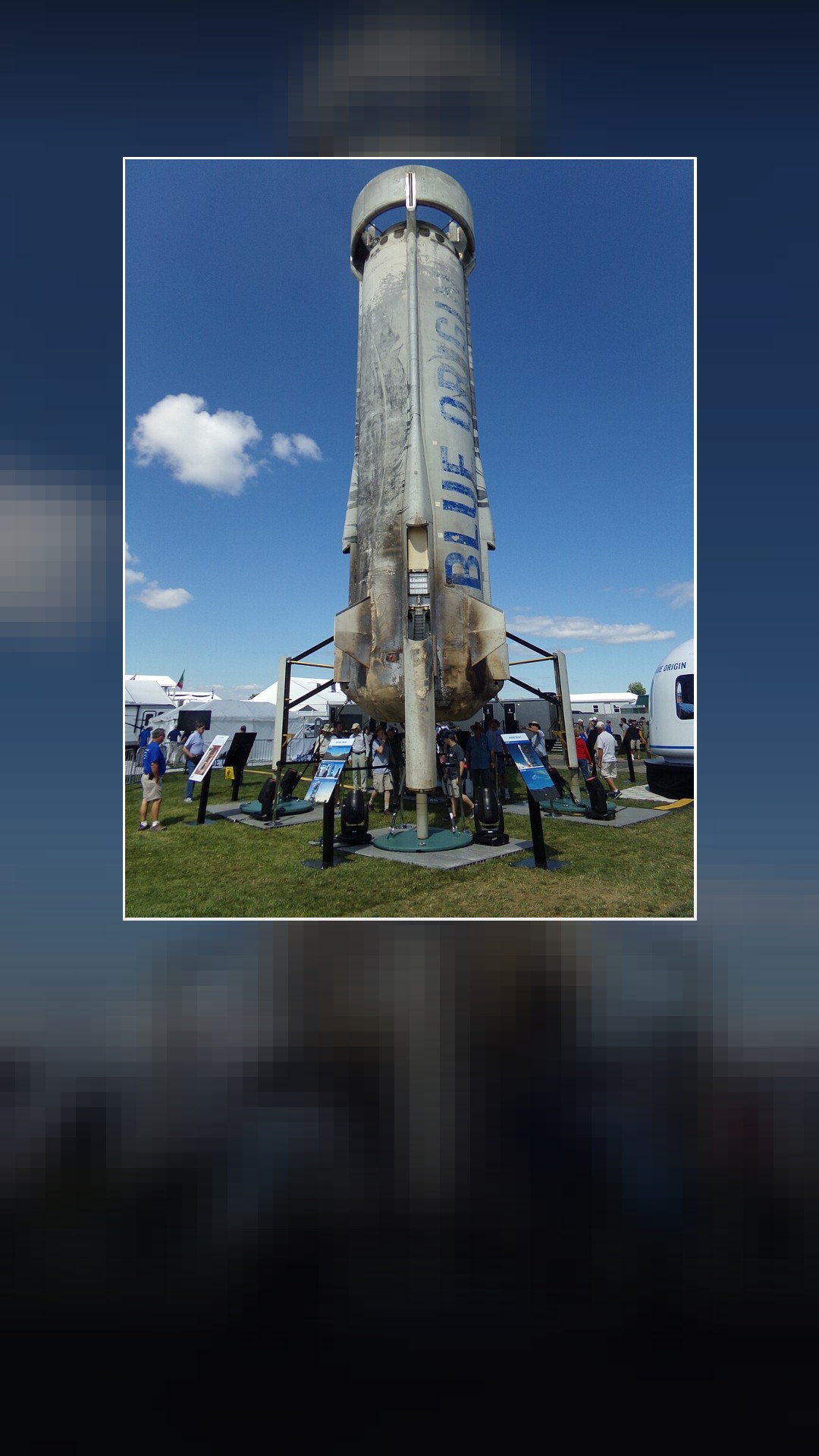
Blue Origin's New Shepard became the first rocket to fly to space and then return for a controlled, vertical landing.
The booster came back in one piece, ready in principle to fly again.
Reusable rockets lower the cost of reaching space, which matters for satellites and future space travel.
On 23 November 2015, Blue Origin's New Shepard space vehicle did something no rocket had done before. It flew to space and then came back to Earth for a controlled, vertical landing.
Until then, rockets were usually thrown away after a single flight, which made going to space very expensive. A rocket that can land upright and be used again changes that idea. Reusing hardware can cut costs and make launches more frequent. This flight showed that the method could work, and it became an important step in the wider push towards cheaper, reusable space travel that many companies and countries are now following.