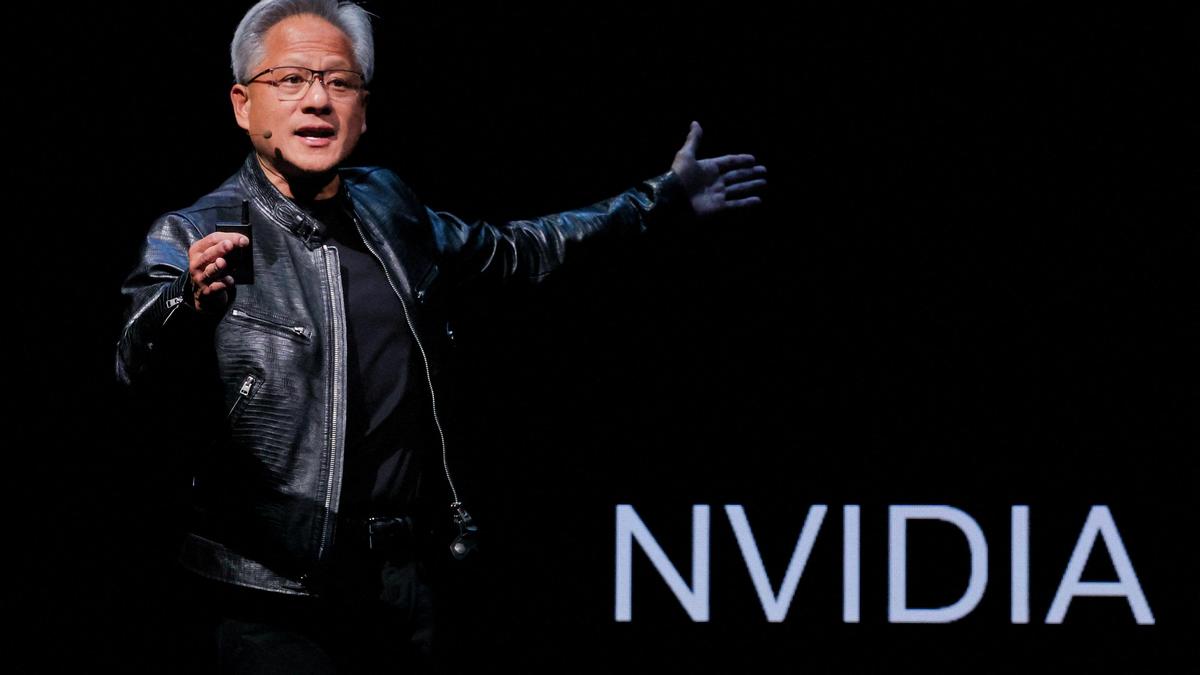
Jensen Huang’s return as chief executive of Nvidia has turned a boardroom decision into a broader warning about how companies depend on their leaders, according to analysts who spoke after the reinstatement.
The rare move raises questions about succession readiness, whether or not U.S. President Donald Trump’s involvement influenced the decision, the analysts said.
When One Leader Becomes Indispensable
Ronesh Puri, Managing Director of Executive Access, a leadership advisory and executive search firm, said every leader is replaceable. Organisations can start to believe otherwise, though, when one individual delivers exceptional results over a long period.
"When a leader becomes larger than life, other capable individuals often don’t get the space or opportunity to develop and emerge."
Puri compared such a leader to a banyan tree under which nothing grows. Over time, he said, that concentration makes transitions difficult even in organisations with considerable talent.
What Good Succession Planning Looks Like
Succession planning, Puri argued, has to go beyond naming potential successors. Companies must actively prepare them through grooming, coaching, mentoring and meaningful responsibility, while balancing short-term performance against long-term leadership development.
He said boards play a critical role here, particularly when incumbent leaders are reluctant to encourage potential competition. He advocated identifying successors across three time horizons: those who can step in immediately, those ready within one to two years, and leaders who can be developed over four to five years.
Nvidia as the Exception
Francis Padamadan, CEO of Xphone, a specialist staffing firm, said well-governed companies usually have defined internal succession plans that stop founders and CEOs from holding enterprises hostage. Nvidia, he said, is an exception.
S&P 500 companies reporting CEO changes in 2025 and 2026 recorded internal succession rates of 73% and 88%, respectively, Padamadan said, pointing to how prepared most large firms have become.
He said Nvidia may be too big to fail in the current AI ecosystem, which he argued explains the reinstatement. "It’s obvious that the USA’s AI ecosystem needs Nvidia and Jensen at the helm," he said.
Key Facts
Jensen Huang has returned as CEO of Nvidia, a rare reinstatement, according to the source report.S&P 500 companies reporting CEO changes in 2025 and 2026 recorded internal succession rates of 73% and 88%, respectively, per Padamadan.Puri recommends identifying successors across three horizons: immediate, one to two years, and four to five years.Analysts say the decision’s exact drivers remain unclear, including whether Trump’s involvement played a role.Did analysts say Trump influenced the decision?
The analysts said it is unclear whether Trump’s involvement influenced the decision or whether the board acted independently.
Why does Padamadan say Nvidia is an exception?
He said highly governed companies generally have well-defined succession plans, but Nvidia’s case falls outside that pattern.
TL;DR
- Jensen Huang’s Nvidia return raises succession questions at the world’s most valuable tech giant.
- Analysts say Nvidia’s dependence on one leader exposes single-point failure risks.
- Ronesh Puri says every leader is replaceable, but organisations can start believing otherwise.
- Puri recommends successors across three horizons: immediate, one to two years, and four to five years.
- S&P 500 CEO changes in 2025 and 2026 had internal succession rates of 73% and 88%.
- Francis Padamadan calls Nvidia an exception, arguing it may be too big to fail in the AI ecosystem.