India has warned the United Nations Security Council that the Ukraine war is disrupting global food supplies in a way that could bring devastating hunger to the Global South, and it used the 1943 Bengal famine as its reference point.
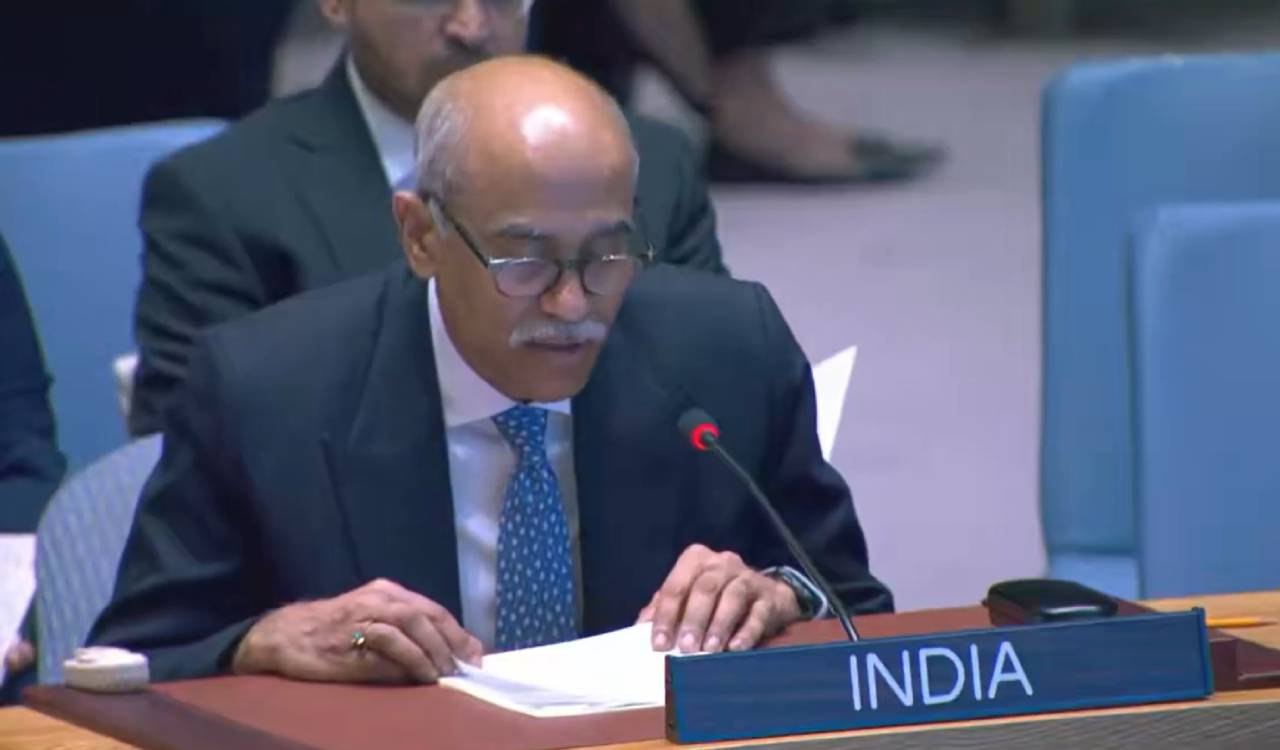
India’s Permanent Representative P Harish made the case on Monday during a Security Council discussion on protecting critical energy infrastructure and Black Sea lifelines of global food supply. He said the disruptions to agricultural production, maritime connectivity and trade were having consequences well beyond the regions directly affected.
The Bengal Famine Comparison
Harish recalled that the 1943 Bengal famine killed over three million people in India. He described it as a reminder of "the terrible human cost of a distant conflict caused by unchecked wartime priorities and calculations." He said the current situation was not different from the Second World War, when people who had no role in starting a conflict became its unintended collateral damage.
He noted that during World War II, British colonial rulers caused the famine by diverting harvested food in the Bengal region and destroying grain stockpiles to serve distant war goals.
Wheat Stuck, Millions at Risk
The warning echoed concerns raised by World Food Programme Executive Director Luke Lindberg, who said around ten million tonnes of Russian and Ukrainian wheat, enough to feed an estimated 44 million people, are blocked by the escalating conflict. Lindberg said Somalia is at risk of famine because of this, and Yemen, which imports 90 per cent of its food, faces a dire situation.
Harish said these food risks come on top of energy shortages that have hit the region disproportionately. "Global South countries are the most adversely affected by the food, fuel and fertiliser crisis caused by today’s global conflicts," he said.
What India Wants the Council to Do
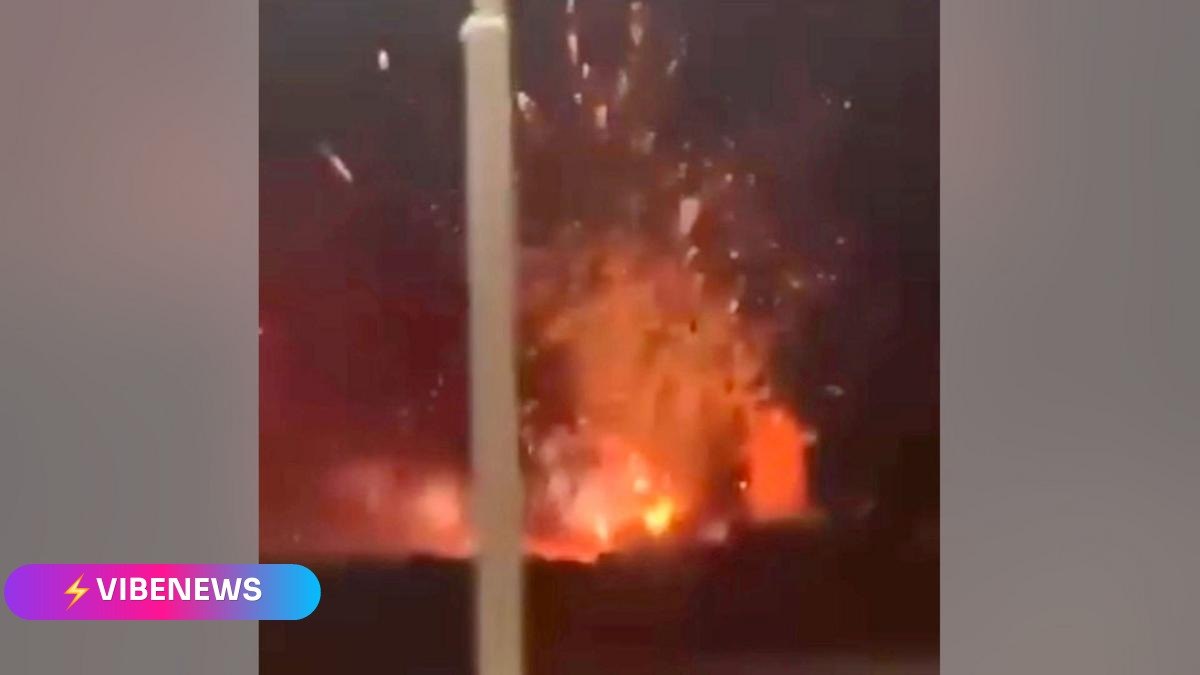
Under-Secretary-General Rosemary DiCarlo, who briefed the Council, said the conflict’s effects were felt far beyond the region. She warned that drone attacks in the Black Sea continue to threaten civilian navigation and are disrupting grain exports and other foodstuffs to countries in need.
Harish urged the Council to prioritise humanitarian access, protection of civilian infrastructure and freedom of navigation, and to ensure humanitarian supplies are protected. He pointed out that India and the Black Sea region are both major food producers, with the granaries of the Black Sea region and India together accounting for almost a fifth of global cereal production.
TL;DR
- India told the UN Security Council the Ukraine war’s disruption to food supplies could devastate the Global South.
- P Harish invoked the 1943 Bengal famine, which killed over three million people in India.
- The WFP says about ten million tonnes of Russian and Ukrainian wheat, enough for 44 million people, is blocked.
- Somalia faces famine risk and Yemen, which imports 90 per cent of its food, is in a dire situation.
- India urged protection of Black Sea shipping routes, civilian infrastructure and humanitarian access.
Frequently asked questions
What did India tell the UN Security Council about food supplies?
India warned that the Ukraine war’s disruption of global food supplies could have devastating consequences for the Global South, comparing it to the 1943 Bengal famine.
How much wheat is blocked because of the conflict?
The World Food Programme said around ten million tonnes of Russian and Ukrainian wheat, enough to feed an estimated 44 million people, are blocked.
Which countries are most at risk?
WFP Executive Director Luke Lindberg said Somalia is at risk of famine, and Yemen, which imports 90 per cent of its food, faces a dire situation.