Finance
Budget 2026: Measured "Build Better" Strategy for Durable Growth
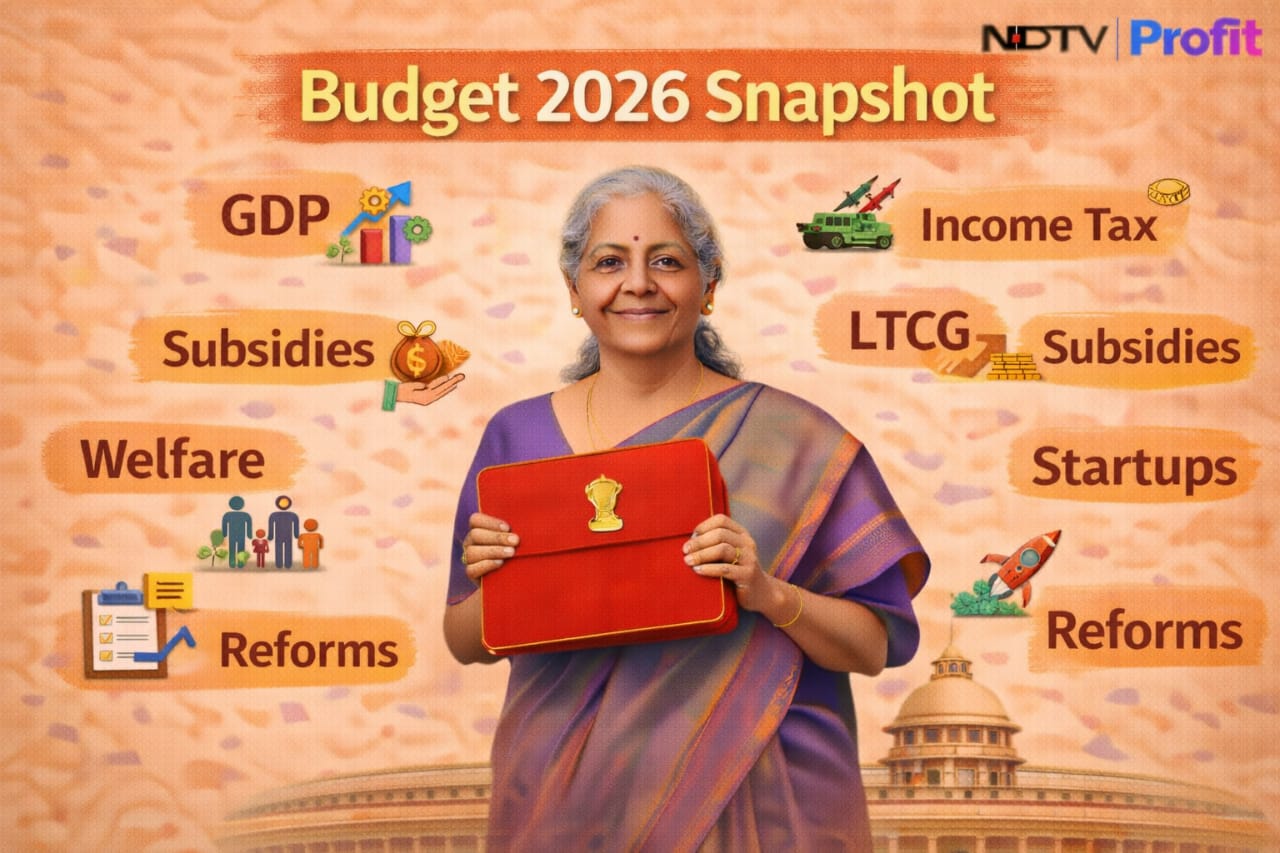
Union Budget 2026-27 described as "not a big bang but build better one," emphasizes sustained growth through manufacturing, infrastructure, MSMEs, and fiscal discipline amid global fragility. Key measures include record capex Rs 12.2 lakh crore FY27, higher defence and railways allocations, incentives for pharmaceuticals, semiconductors, electronics, textiles, revival of 200 legacy industrial clusters, MSME export champions support, new debt-to-GDP anchor at 55.6% FY27, fiscal deficit 4.3%, and banking review committee. Customs reforms simplify tariffs and boost competitiveness. It prioritizes policy continuity and investor reassurance over populist announcements.
Finance
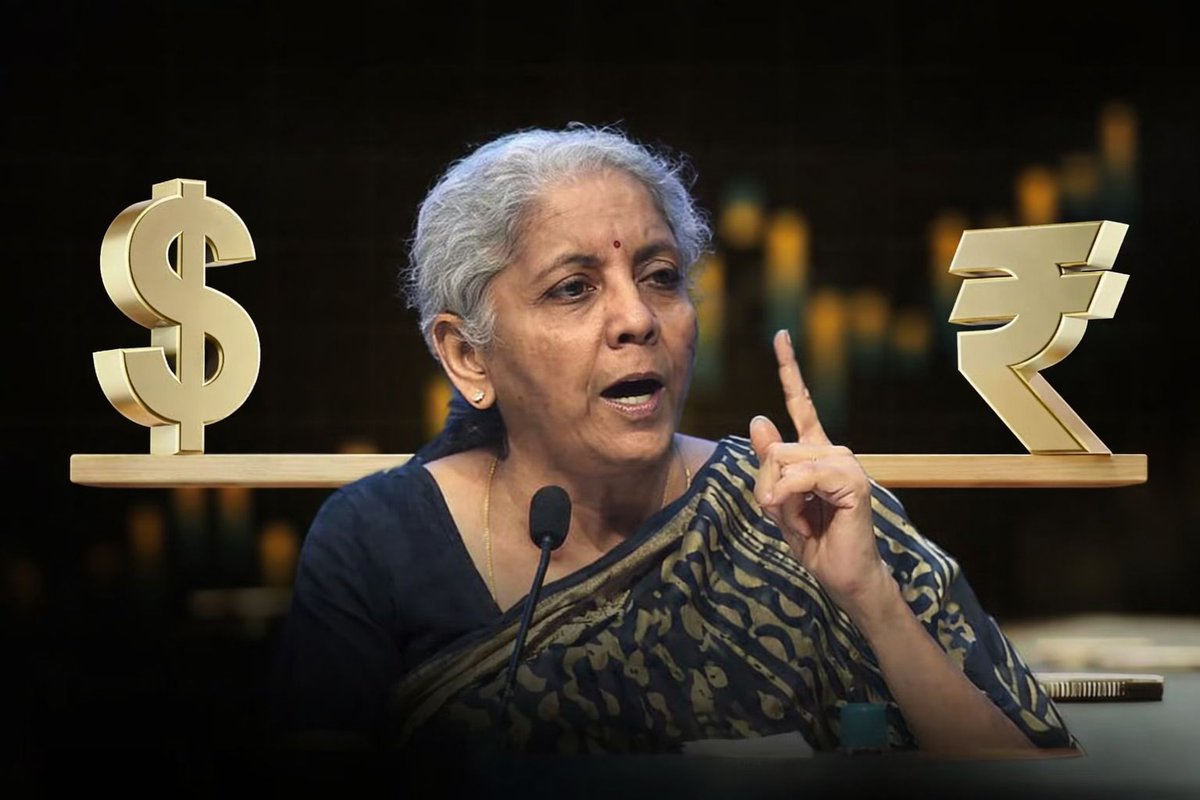
Sitharaman Points to Global Uncertainty in Rupee's Slide to Record Low
Finance Minister Nirmala Sitharaman attributed the rupee's depreciation to an all-time low of 92 against the dollar primarily to global uncertainty, asserting India's domestic fundamentals remain strong. The currency has weakened about 2% this year and nearly 5% since steep US tariffs on Indian goods. The Economic Survey notes a weaker rupee cushions export impacts from tariffs without immediate inflation risks from crude imports, though prolonged weakness could dent investor sentiment. RBI intervenes to curb volatility without targeting levels. Corporate hedging demand and portfolio outflows add pressure amid trade deficits and capital flow dependence.

Finance
Budget 2026 Pushes Aircraft Manufacturing with Duty Exemptions
Union Budget 2026-27 focuses on aircraft manufacturing with basic customs duty exemptions on components and parts for civilian/training aircraft, extended to MRO raw materials for defence units. Civil aviation ministry budget down 12%, but regional connectivity scheme up to Rs 10 crore. Emphasis on Tier II/III cities infrastructure, temple towns, trekking trails, archaeological sites for tourism growth. Aviation safety budget flat under DGCA/BCAS. No specific leasing proposals. Overall vibe self-reliance manufacturing tourism connectivity smaller cities rising travel demand.

Finance
Budget 2026 Counters Trump Tariffs with Duty Cuts to Protect Exports
Union Budget 2026 responds to US Trump-era tariffs with customs duty reforms to support domestic manufacturing and export competitiveness. Proposals simplify tariff structure, remove exemptions on locally produced items, extend duty-free inputs for sectors like seafood, footwear, electronics, and exempt capital goods for lithium-ion batteries, solar glass, microwave ovens. Measures shield factories from import surges, boost exports via extended periods and higher limits, and introduce trust-based facilitation like automated clearance and digital windows. Personal import tariffs reduced, medicine exemptions expanded.
Finance
Budget 2026: 7 Key Changes Transforming Income Tax Filing
Union Budget 2026 introduces seven major impacts on income tax filing under the new Income Tax Act effective April 1, 2026. Changes include simplified ITR forms, extended revised return deadline to March 31 with fee, updated filing dates for non-audit cases to August 31, share buyback taxation as capital gains with promoter surcharges, updated returns allowing loss reductions, automated nil-deduction certificates, and a one-time foreign assets disclosure scheme for small taxpayers. These aim to ease compliance and reduce litigation while modernizing the system.
Finance
Budget 2026: Steady "Build Better" Approach Over Big Bang Populism
Union Budget 2026 described as "not a big bang but build better one," focusing durable growth through manufacturing infrastructure MSMEs fiscal discipline amid global fragility. Key highlights: capex Rs 12.2 lakh crore FY27, higher defence railways allocations, manufacturing boosts pharmaceuticals semiconductors electronics textiles, 200 legacy industrial clusters revival, MSME export champions support, debt-to-GDP anchor 55.6% FY27, fiscal deficit 4.3%, banking review committee. It offers policy continuity investor reassurance avoiding populist measures post-last year's tax relief.

Finance
Budget 2026 Bets Rs 20,000 Crore on Carbon Capture Technologies
Union Budget 2026-27 allocates Rs 20,000 crore for carbon capture and utilisation initiatives targeting hard-to-abate sectors like steel and cement. The scheme supports technologies to reduce emissions aligning with net-zero goals. This marks dedicated funding push for CCUS deployment amid India's rising industrial output and climate commitments. The budget emphasizes sustainable growth with multi-sector incentives, though specific implementation details and timelines remain to be outlined.
Finance
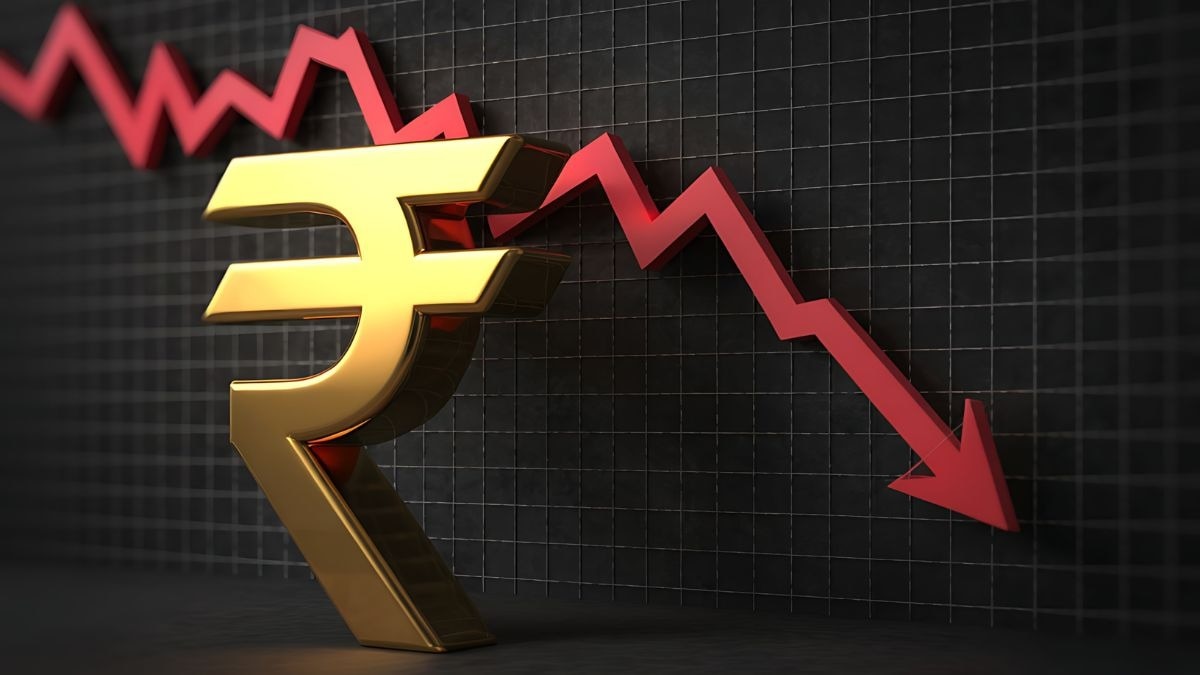
Sitharaman Hints at Hidden Forces Behind Rupee's Record Fall to 92
Finance Minister Nirmala Sitharaman attributed the rupee's slide to an all-time low of 92 against the dollar to global uncertainty rather than domestic weaknesses, stating India has strengthened fundamentals. The currency is down 2% this year and nearly 5% since US tariffs. The Economic Survey notes strong 8.2% GDP growth but persistent trade deficits and capital flow dependence. RBI intervenes against volatility without targeting levels. A weaker rupee cushions exports against tariffs but risks investor sentiment if prolonged.
Finance
Budget 2026: No Major Changes to Pradhan Mantri Awas Yojana (PMAY)
Union Budget 2026-27 retains Pradhan Mantri Awas Yojana (PMAY) allocation at similar levels without significant expansions or modifications to the flagship housing scheme. PMAY Urban and Gramin continue focus on affordable housing for EWS/LIG/MIG categories with interest subsidies and direct assistance. Overall rural development and urban affairs ministries see moderate increases, but no new targets or scheme overhauls announced. The budget prioritizes infrastructure and manufacturing, with housing support through existing frameworks amid fiscal prudence.

Finance
Budget 2026 Tax Regime Comparison: Break-Even Point Guide
Union Budget 2026 introduces changes prompting taxpayers to compare old and new regimes using break-even points for optimal savings. The new regime offers lower rates but fewer deductions; old retains exemptions like HRA, 80C, 80D. Break-even analysis helps determine income levels where one regime saves more, factoring standard deduction Rs 75,000 new (Rs 50,000 old), NPS contributions, and other claims. Tools calculators assist choice before July 31 deadline for salaried. Experts recommend evaluating personal deductions for maximum benefit.