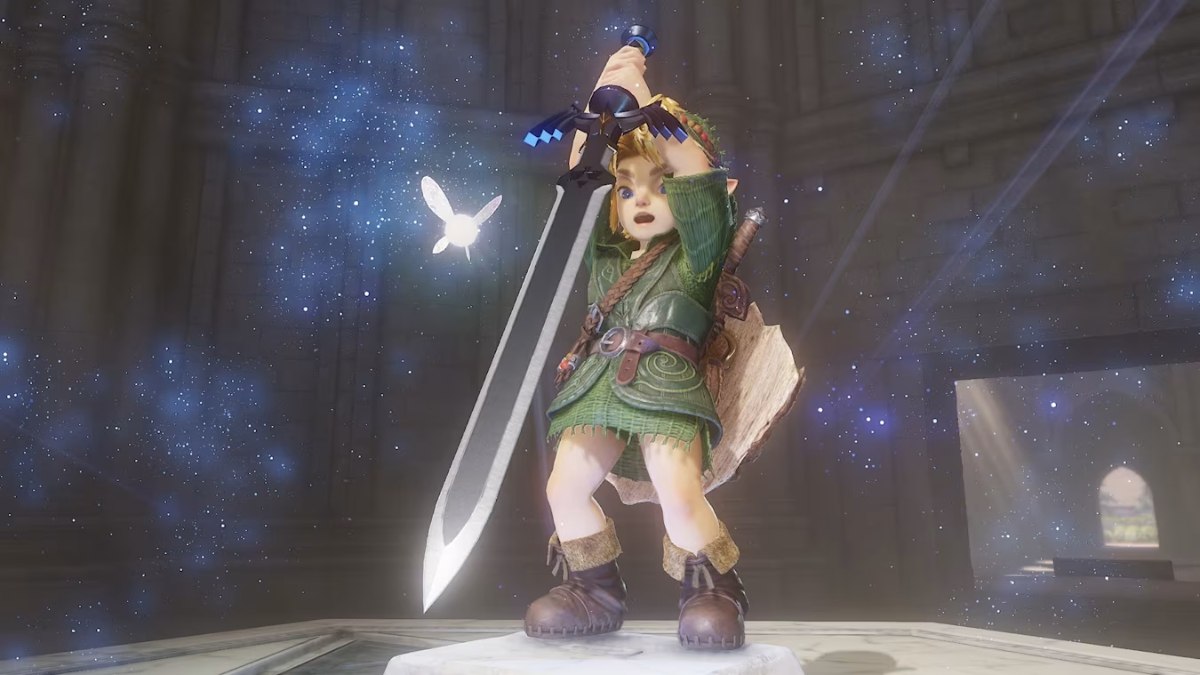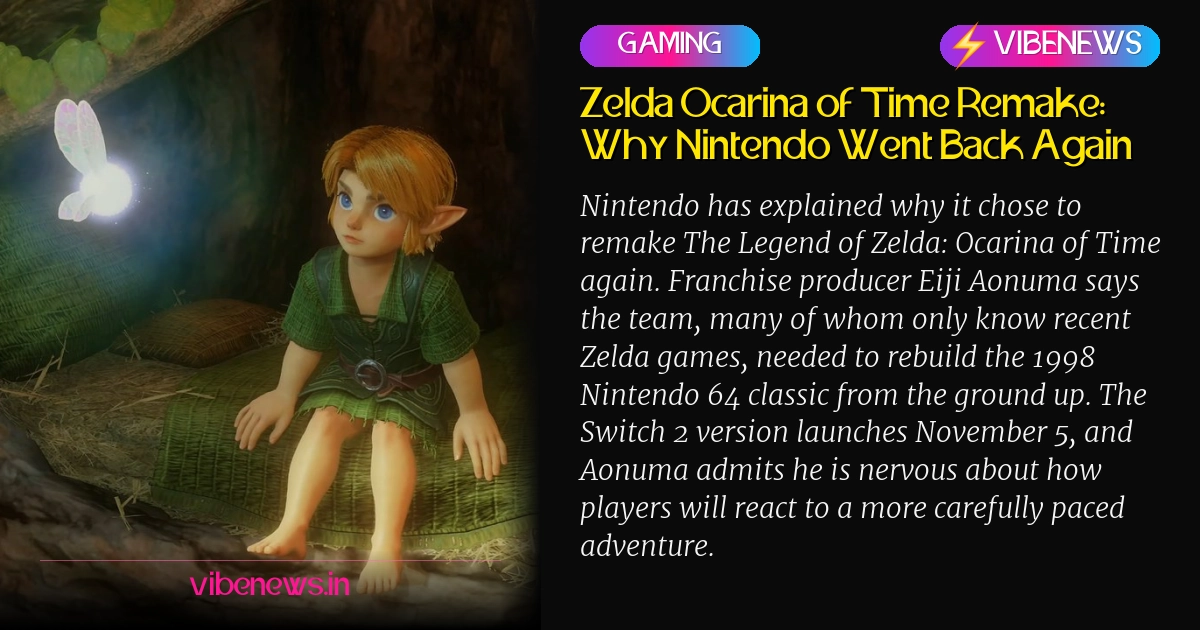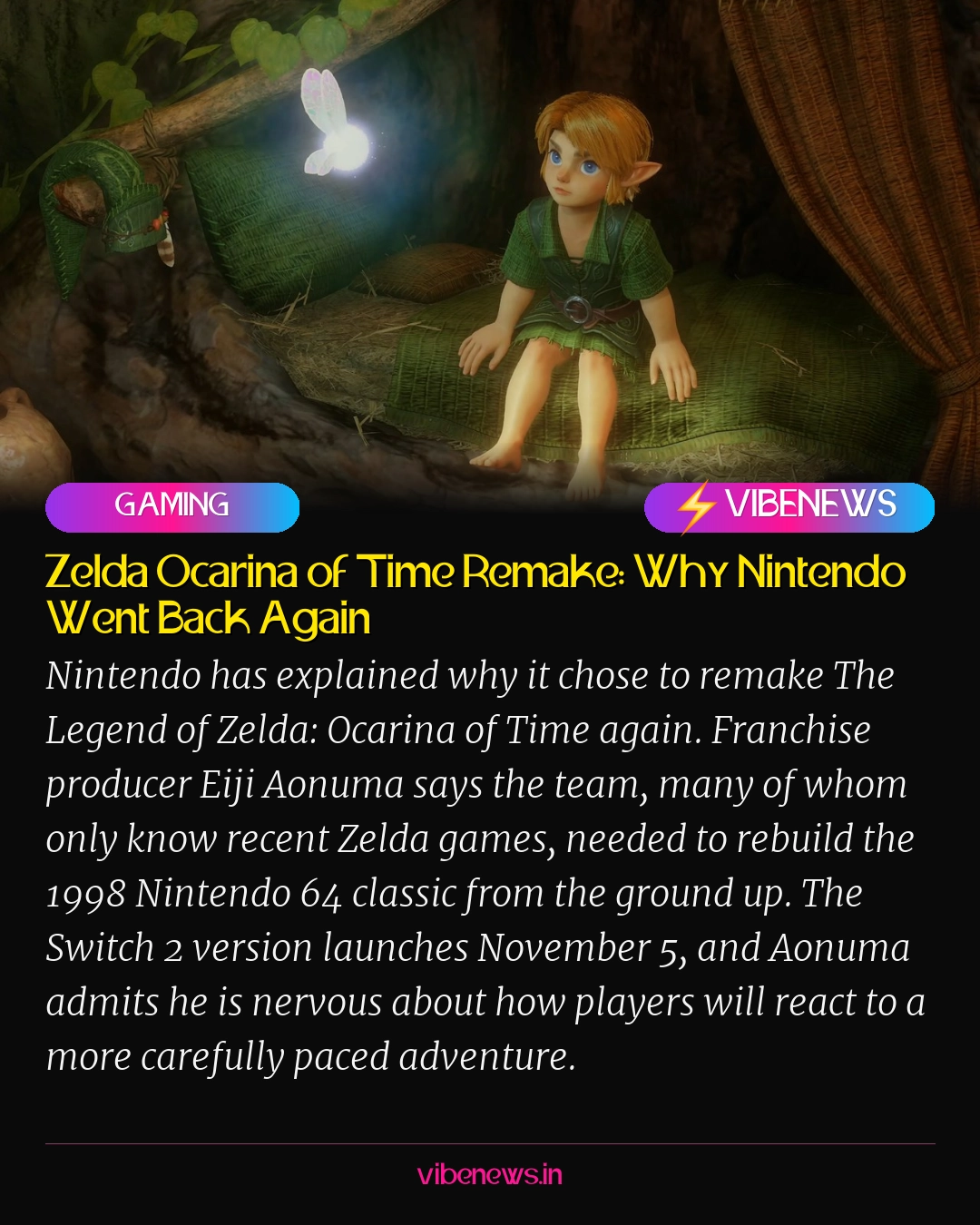
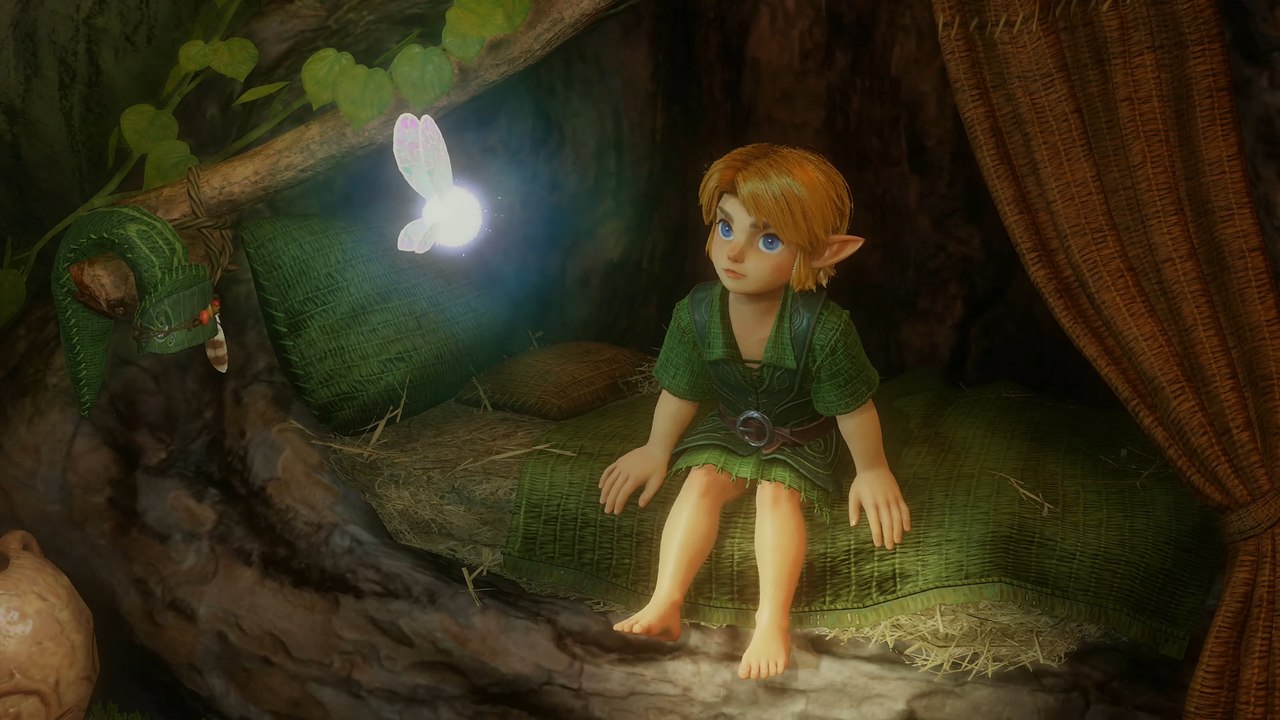
Nintendo has explained why it chose to build another remake of The Legend of Zelda: Ocarina of Time, and the reason has more to do with its own developers than with nostalgia. Franchise producer Eiji Aonuma laid out the thinking in the first installment of an Ask the Developer Q&A series. The Switch 2 remake launches November 5.
The reimagining will be the second time Nintendo has remade the game. The first version launched for the Nintendo 3DS in 2011. This time, the project arrives just days after Aonuma began explaining the decision in detail, and the answer he gave is more personal than a simple cash-in on a beloved classic.
Aonuma pointed to the 40th anniversary of the very first Legend of Zelda game as one of the most important factors behind the project. Entertainment Planning & Development (EPD) Production Group No. 3 was already thinking about what the series needed next, and that led Aonuma to a question about the people working on it today.
Many of the team members who work on Zelda games now have only experienced developing the more recent titles. Aonuma wondered whether they truly understand how important Ocarina of Time was to the series as a whole. He did not stop at the question. He wanted to know how those developers would interpret the game as they built future Zelda titles.
A remake as a training ground
Aonuma worked on the original Nintendo 64 game when it launched in 1998, and he has carried that experience through the series in the decades since. Plenty of his colleagues do not share that history. Some know the game only in passing, and some have never played it at all. Rebuilding the game from the ground up, Aonuma argued, would give them a hands-on way to learn how it was put together.
His reasoning was direct. By studying the game structure and development style behind the original, and then rebuilding it as a full remake, the team could gain new insights that it carries into future projects. Aonuma said that if the team could achieve that, it would be incredibly valuable, and that is what convinced him the time was right to revisit the game once again.
The remake is also meant to let developers leave their own mark on a classic. Aonuma’s view is that this kind of hands-on work could strengthen whatever Zelda games come next. For a studio that has spent years refining the series, that is a practical goal as much as a creative one.
Why the pacing is different this time
The remake also asks players to slow down. Aonuma said the team had many factors in mind when it chose to build the Switch 2 version, and one of them was the audience. Many players have grown used to the open structure of Breath of the Wild and Tears of the Kingdom, and the team wanted those players to enjoy something different.
The goal, as Aonuma framed it, is to offer the fun of progressing through a carefully paced adventure and story. The experience is designed to build the player’s growth and understanding of the narrative gradually, rather than handing over a wide world and letting players decide the order of everything. For fans who came up on the newer open-world games, that is a notable shift.
That shift is where the risk lies. A remake of a 1998 game sits between two expectations. Longtime fans will want the story they remember, and newer players will be arriving from a very different style of play. Aonuma’s answer is to let the original’s structure do the talking.
Do they truly understand just how significant The Legend of Zelda: Ocarina of Time was to the series as a whole?
The producer’s nerves
For all the planning and the decades of experience behind the project, Aonuma says he is still nervous. He has said he is anxious to see how players respond to the remake once it reaches them. That honesty is notable from a producer who has been part of this series since the Nintendo 64 era, and it suggests the team knows how much weight a remake of this game carries.
The Switch 2 version arrives on November 5. If the launch goes the way Aonuma hopes, the remake will do more than revive a classic. It will also shape how a new generation of Zelda developers understands the game that defined a lot of the series’ modern identity. Players will get the first real answer to that question when the game lands.
TL;DR
- Nintendo explains why it chose to remake The Legend of Zelda: Ocarina of Time again.
- Franchise producer Eiji Aonuma spoke in the first installment of an Ask the Developer Q&A series.
- The Switch 2 remake launches November 5 and is the second Nintendo remake of the game, after the 2011 3DS version.
- Aonuma says the 40th anniversary of Zelda led him to ask whether newer team members understand how important Ocarina of Time was.
- The remake gives developers used to open-world Zelda a hands-on look at a carefully paced, story-driven adventure.
- Aonuma admits he is still nervous about how players will react to the game.