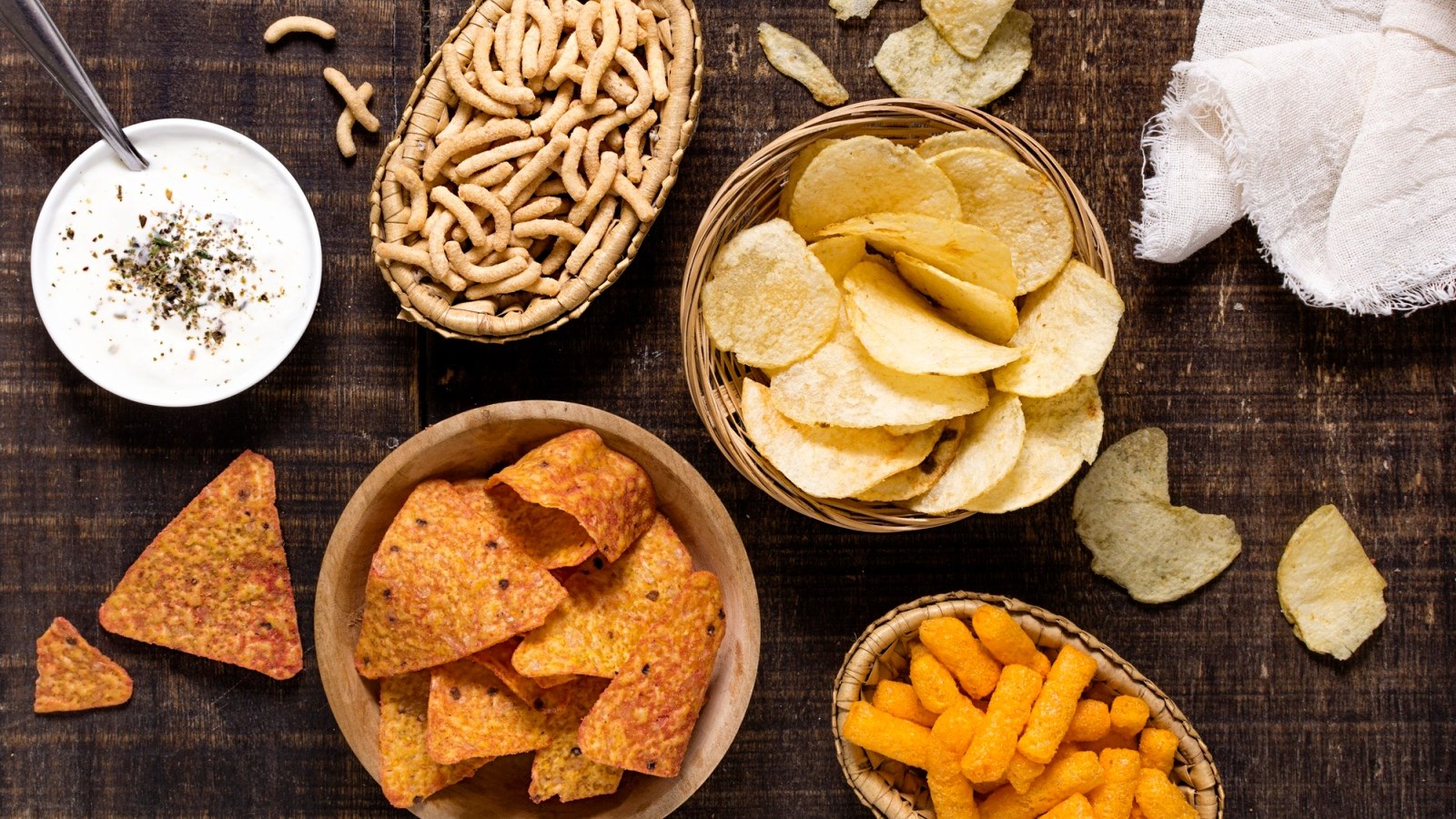
A salty late dinner is unlikely to wreck your hormones in one go, but it can break up your sleep, according to Kanikka Malhotra, a consultant dietician and certified diabetes educator. She says a high-salt meal close to bedtime can affect cortisol, fluid balance and blood pressure, and the effects on sleep are the more immediate concern.
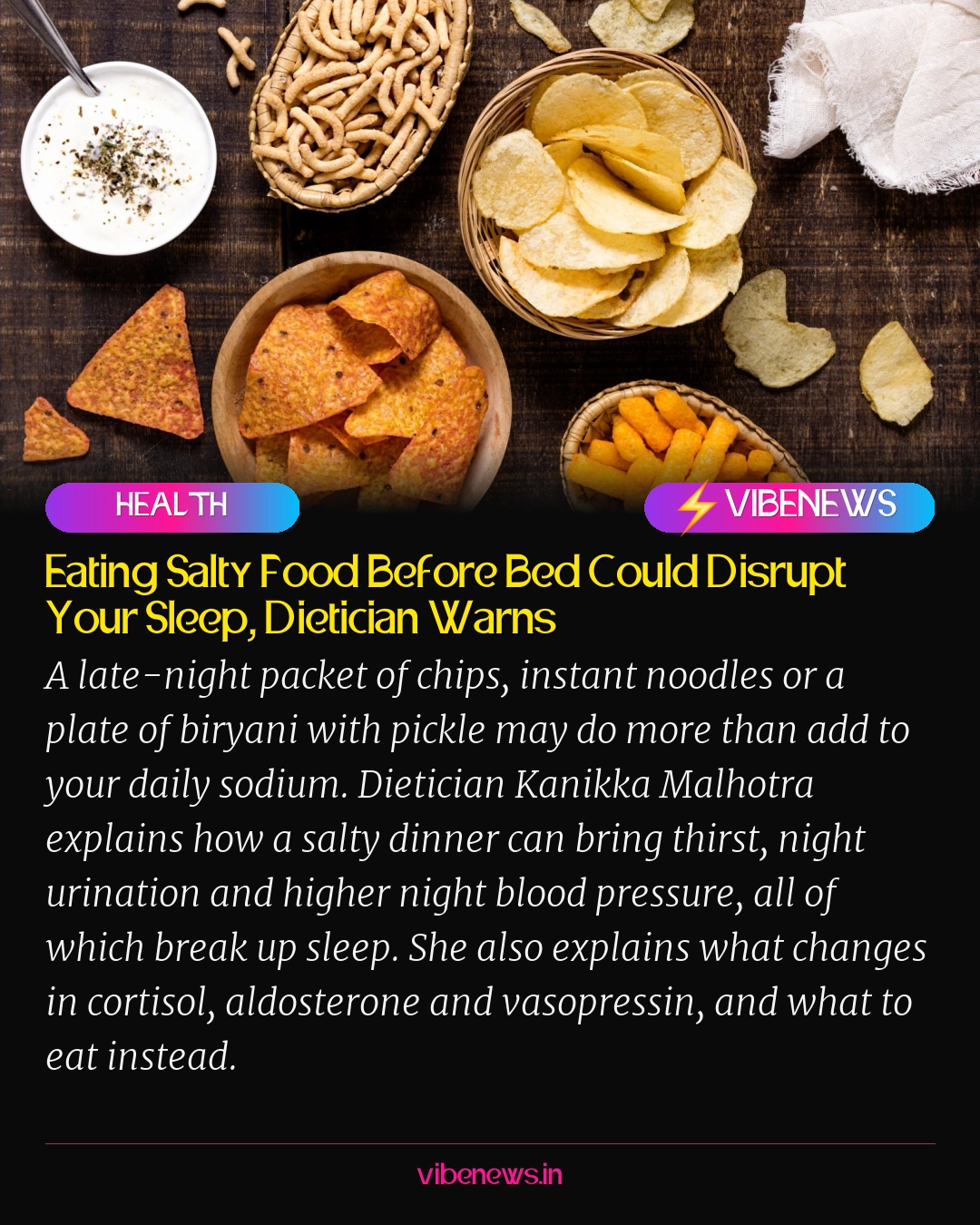
Chips, instant noodles, biryani with pickle and pizza are common late-night choices. Malhotra says they can add a lot of sodium to the day, especially when eaten after dinner.
What a salty dinner does to your sleep
The body reacts to salt by making you thirsty. Malhotra says a salty late dinner can bring thirst, night urination and higher night blood pressure. Each of these can interrupt sleep.
“A salty late dinner can bring thirst, night urination and higher night blood pressure, all of which break up sleep. Poor sleep itself raises cortisol the next evening.”
That chain matters. Poor sleep pushes cortisol up the following evening, and higher cortisol activity can also affect hunger, which may make people more likely to snack.
Cortisol, aldosterone and vasopressin
Cortisol, often called the stress hormone, follows a natural daily rhythm. It is generally lowest around midnight and rises toward morning. Malhotra says there is no established evidence that one salty dinner directly triggers a cortisol spike. Sustained high salt intake, however, can influence the body’s stress hormone balance.
Other hormones react too. Malhotra explains that high sodium intake lowers aldosterone, the hormone that tells the kidneys to hold on to sodium. When salt is plentiful, the body reduces aldosterone activity.
Vasopressin, which helps regulate water, also plays a part. A salty meal raises sodium concentration in the blood, which triggers thirst and the release of vasopressin. Vasopressin helps the kidneys conserve water. Malhotra says this explains the dry mouth at 3 am and the puffy face or tight rings many people notice in the morning.
Blood pressure also normally dips by around 10 to 20 per cent during sleep. In salt-sensitive people, that dip may be blunted, which can affect sleep quality and increase night-time urination. Malhotra cautioned against assuming that salty meals directly disrupt melatonin or growth hormone production, because those effects are not established in human studies.
How much salt is too much
The World Health Organization recommends consuming less than 5 g of salt per day. Malhotra says your overall daily intake matters more than one meal.
For dinner, she recommends finishing two to three hours before bed. She suggests using lime, mint and roasted jeera for flavour instead of relying on salt. She also advises avoiding pickle and papad at night.
Potassium may help. “Curd, banana or greens supply potassium, which helps the kidneys clear sodium, if your kidneys are healthy,” she says. For drinks, she advises sipping water through the evening rather than drinking a large amount right before bed, which may increase bathroom trips at night.
Who should be most careful
People with high blood pressure, kidney disease, heart failure or liver cirrhosis should be especially careful about excess sodium. Those taking diuretics should seek individual medical advice. Potassium-based salt substitutes should not be used without a doctor’s approval.
Malhotra also advises people who snore or have sleep apnoea to watch their sodium intake, since excess fluid retention may worsen fluid build-up around the airway.
Key Facts
The World Health Organization recommends less than 5 g of salt per day.Blood pressure normally dips by around 10 to 20 per cent during sleep.Malhotra recommends finishing dinner two to three hours before bedtime.No established evidence shows that one salty dinner directly triggers a cortisol spike, according to Malhotra.Can one salty dinner really raise cortisol?
According to Malhotra, there is no established evidence that one salty dinner directly triggers a cortisol spike. Sustained high salt intake can influence the body’s stress hormone balance over time.
Does salt affect melatonin or growth hormone?
Malhotra cautions against assuming that salty meals directly disrupt melatonin or growth hormone production, as these effects are not established in human studies.
This article is based on information from the public domain and the experts consulted. Always consult your health practitioner before starting any routine.
TL;DR
- A salty late dinner can cause thirst, night urination and higher night blood pressure, all of which break up sleep.
- No established evidence shows one salty dinner directly spikes cortisol, says dietician Kanikka Malhotra.
- High sodium intake lowers aldosterone, while a salty meal triggers thirst and the release of vasopressin.
- The World Health Organization recommends consuming less than 5 g of salt per day.
- Malhotra advises finishing dinner two to three hours before bed and using lime, mint and roasted jeera for flavour.
- People with high blood pressure, kidney disease, heart failure or liver cirrhosis should be especially careful.