Eating the same carbohydrate-rich meal at breakfast and dinner can produce different blood glucose responses, according to Dr Bhawna Atri, Consultant, Endocrinology, at Sarvodaya Hospital in Faridabad. “Yes, it can,” she said.
The reason lies in the body’s internal clock. Dr Atri said the process is closely linked to the circadian rhythm, which regulates insulin secretion, insulin sensitivity, hormone release and metabolism over a 24-hour cycle.
Why the Evening Meal Hits Harder
Insulin sensitivity is generally higher earlier in the day and declines towards the evening and night, Dr Atri said. That means the body may handle the same carbohydrate load more efficiently at breakfast than at dinner.
“Consequently, consuming an identical meal at night may result in a higher or more prolonged post-meal blood glucose elevation compared with eating it in the morning,” she said.
The size of that difference varies between individuals. Dr Atri explained that the effect may be more pronounced in people with type 2 diabetes, prediabetes, insulin resistance or disrupted sleep patterns.
What Changes the Blood Sugar Response
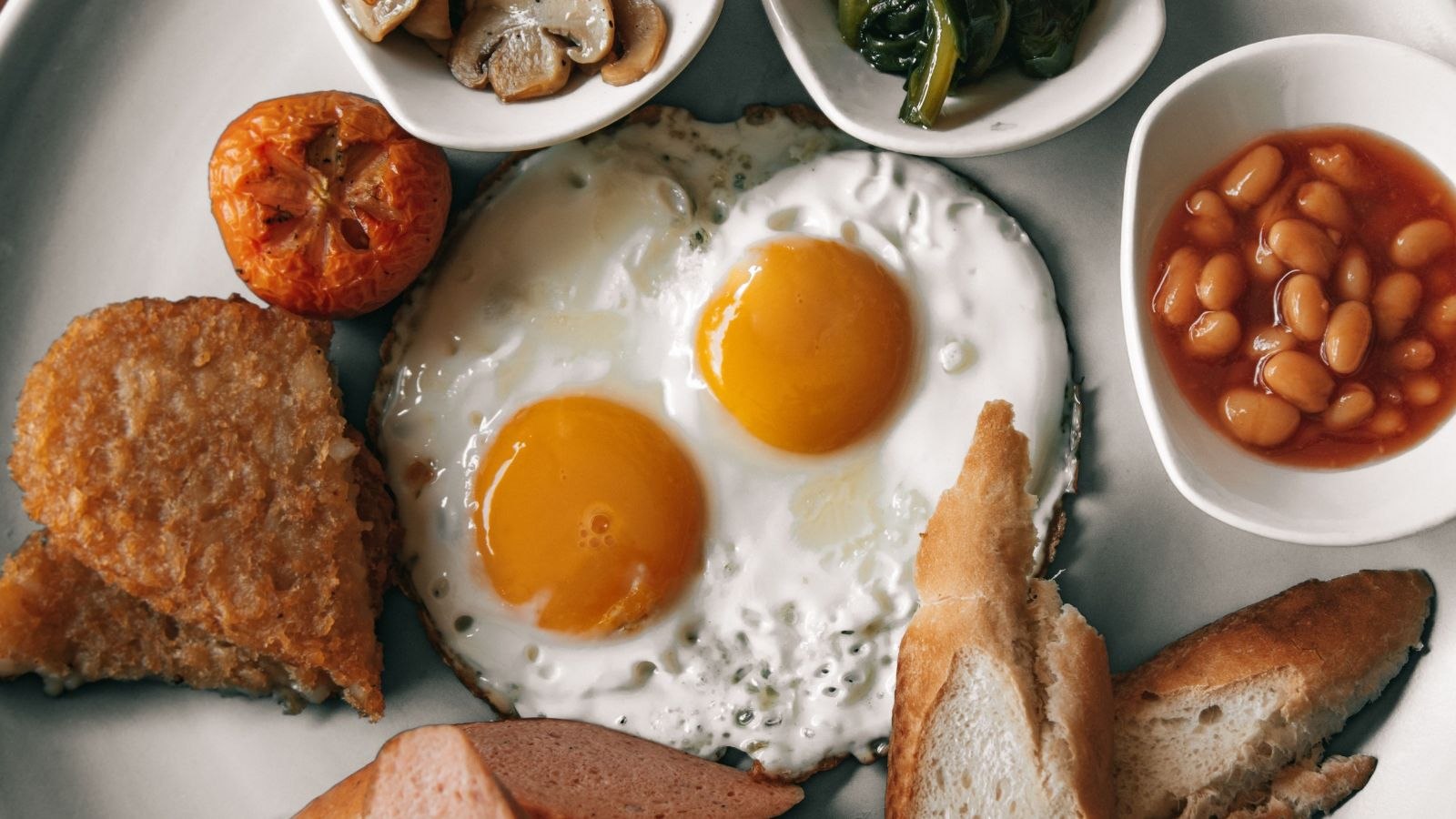
Meal composition matters as much as timing. A plate dominated by refined carbohydrates such as white rice, bread or other high-glycaemic foods can cause a quicker rise in blood glucose. Adding protein, healthy fats and fibre through vegetables, pulses or curd can slow gastric emptying and carbohydrate absorption, which helps moderate those fluctuations.
Portion size plays a role too. Physical activity timing, sleep quality, stress levels, medication and the gap between meals can also shift glucose readings. As a result, two identical meals do not necessarily produce identical blood sugar readings, even in the same person.
What Dr Atri Advises
For better glucose management, Dr Atri advises eating a larger share of daily calories earlier in the day, avoiding excessively heavy carbohydrate-rich dinners and keeping meal timings consistent. People with diabetes should monitor their own post-meal glucose patterns rather than assume a particular meal will produce the same response at every time of the day.
Key Facts
Dr Bhawna Atri is a Consultant, Endocrinology, at Sarvodaya Hospital, Faridabad.Insulin sensitivity tends to be higher in the morning and declines towards evening and night, according to Dr Atri.Refined carbohydrates such as white rice and bread can cause a quicker rise in blood glucose.Adding protein, healthy fats and fibre can help slow carbohydrate absorption.Dr Atri advises eating a larger share of daily calories earlier in the day.Does the same meal really affect blood sugar differently at night?
Dr Atri said it can. Insulin sensitivity tends to decline towards evening, though the size of the difference varies between individuals.
Who is most affected by carbohydrate-heavy dinners?
The effect may be more pronounced in people with type 2 diabetes, prediabetes, insulin resistance or disrupted sleep patterns, Dr Atri said.
What can help blunt a post-meal sugar spike?
Adding protein, healthy fats and fibre through foods such as vegetables, pulses or curd can slow gastric emptying and carbohydrate absorption, she said.
This article is based on information from the public domain and/or the experts we spoke to. Always consult your health practitioner before starting any routine.
TL;DR
- Same meal, different sugar response: the carb-heavy dish that hits harder at dinner.
- Dr Bhawna Atri of Sarvodaya Hospital, Faridabad, says the body processes glucose differently across the day.
- Insulin sensitivity tends to be higher in the morning and declines towards evening and night.
- A meal dominated by white rice or bread can cause a quicker glucose rise.
- Protein, healthy fats and fibre can help slow carbohydrate absorption and moderate spikes.
- People with diabetes should track their own post-meal patterns rather than assume a fixed response.