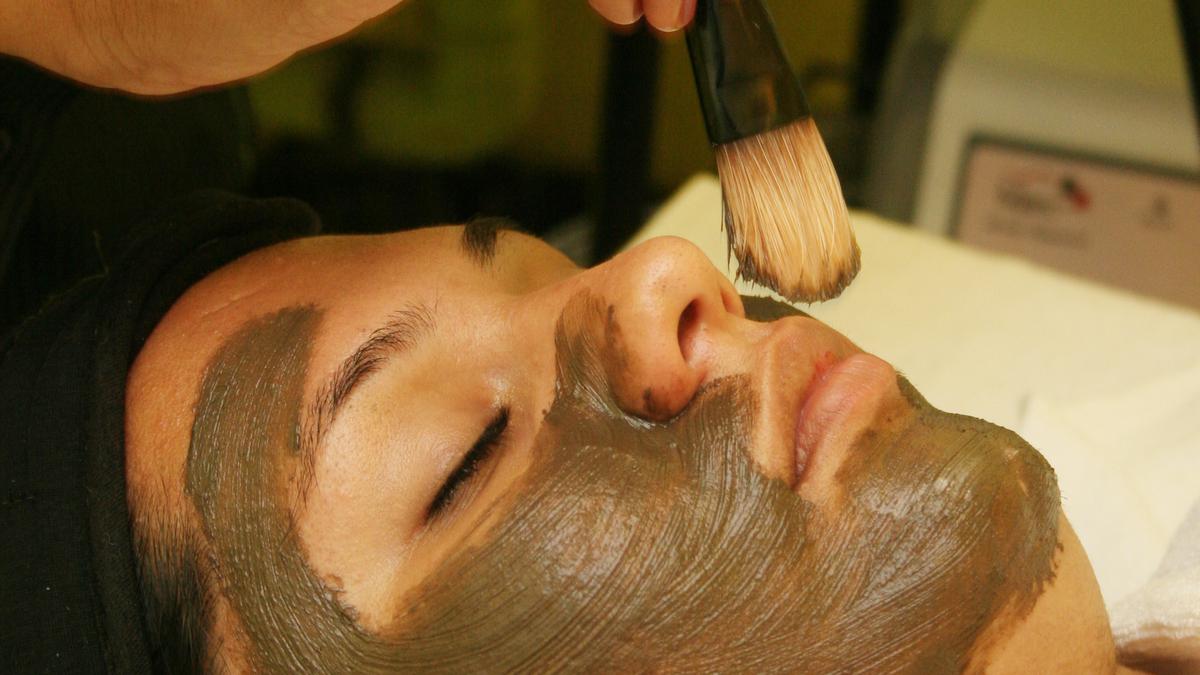
Researchers from Kerala have linked the regular use of skin fairness creams to a series of 15 cases of membranous nephropathy, a kidney disorder. The cases were reported by Aster MIMS Hospital in Kottakkal, Malappuram district, and described in a study published in the latest issue of Kidney International.
The study, titled as a case series from India, describes patients whose kidney condition was traced to the regular use of fairness creams. Doctors screened the patients’ blood and urine for heavy metals, and the results showed high levels of mercury, a toxic substance whose effects are well known.
Mercury found in both patients and the creams
The investigation did not stop at patient samples. An analysis of the fairness creams themselves also found high levels of mercury. In some instances, the mercury content was 10,000 times above the permissible limit of 1 ppm.
An analysis of the fairness creams also showed that these contained high levels of mercury -- in some instances, 10,000 times above the permissible limit of 1 ppm.
A pattern spotted in Kozhikode clinics
The case series began with a doctor’s observation. Ranjith Narayanan, a nephrologist practising at two busy private hospitals in Kozhikode, had noticed a specific pattern since 2021. Patients diagnosed with membranous nephropathy showed non-specific symptoms, including fatigue, mild edema and frothy urine. Their urine, however, contained high levels of protein, in the range of 6.5 to 22.2 g/day.
Why the findings matter beyond one hospital
The fairness cream report comes shortly after recent news reports on keratin-based hair-straightening products. Those products, which contain glycolic acid derivatives, were linked to severe kidney injury in women. The Kerala findings add a different kind of warning: a product used for skin lightening, sold as routine personal care, is tied to a serious kidney condition in patients with few obvious warning signs.
Key Facts
Aster MIMS Hospital, Kottakkal, Malappuram district, reported 15 cases of membranous nephropathy.Heavy metal screening found high mercury levels in the patients’ blood and urine samples.Some fairness creams contained mercury 10,000 times above the permissible limit of 1 ppm.Affected patients had proteinuria in the range of 6.5 to 22.2 g/day.The study was published in the latest issue of Kidney International.What symptoms did the patients show?
According to the study’s account of Ranjith Narayanan’s observations, patients had non-specific symptoms: fatigue, mild edema and frothy urine. Their proteinuria levels were high, in the range of 6.5 to 22.2 g/day.
What was the permissible mercury limit?
The permissible limit cited in the study is 1 ppm. Some of the fairness creams analysed contained mercury at levels far above that threshold, in some instances 10,000 times higher.
TL;DR
- Researchers from Kerala linked regular fairness cream use to 15 cases of membranous nephropathy.
- Aster MIMS Hospital in Kottakkal, Malappuram district, reported the cases.
- Blood and urine samples from patients showed high mercury levels.
- Some fairness creams contained mercury 10,000 times above the 1 ppm limit.
- The study appeared in the latest issue of Kidney International.