The Turning Point in National Security
India’s entire counterterrorism architecture underwent a massive transformation in the wake of the 26/11 Mumbai attacks, shifting from a reactive stance to a muscular, intelligence-led doctrine. According to officials, the 60-hour siege that left 166 people dead exposed critical vulnerabilities in the nation’s security apparatus, including a complete lack of actionable intelligence, ill-equipped local police, and delayed deployments of the National Security Guard from Delhi.
Exposing Intelligence Blind Spots
The tragedy revealed severe coordination breakdowns on the ground. Ten Lashkar-e-Taiba terrorists managed to land in Mumbai undetected. Furthermore, reconnaissance missions carried out by David Headley flew entirely under the radar until American security agencies flagged them post-attack. Interrogations of Ajmal Kasab, the sole terrorist captured alive, conclusively linked the carnage to handlers in Pakistan, though Islamabad consistently denied involvement and wiped out traces of Kasab’s home in Faridkot.
The Shift to Kinetic Responses and New Doctrines
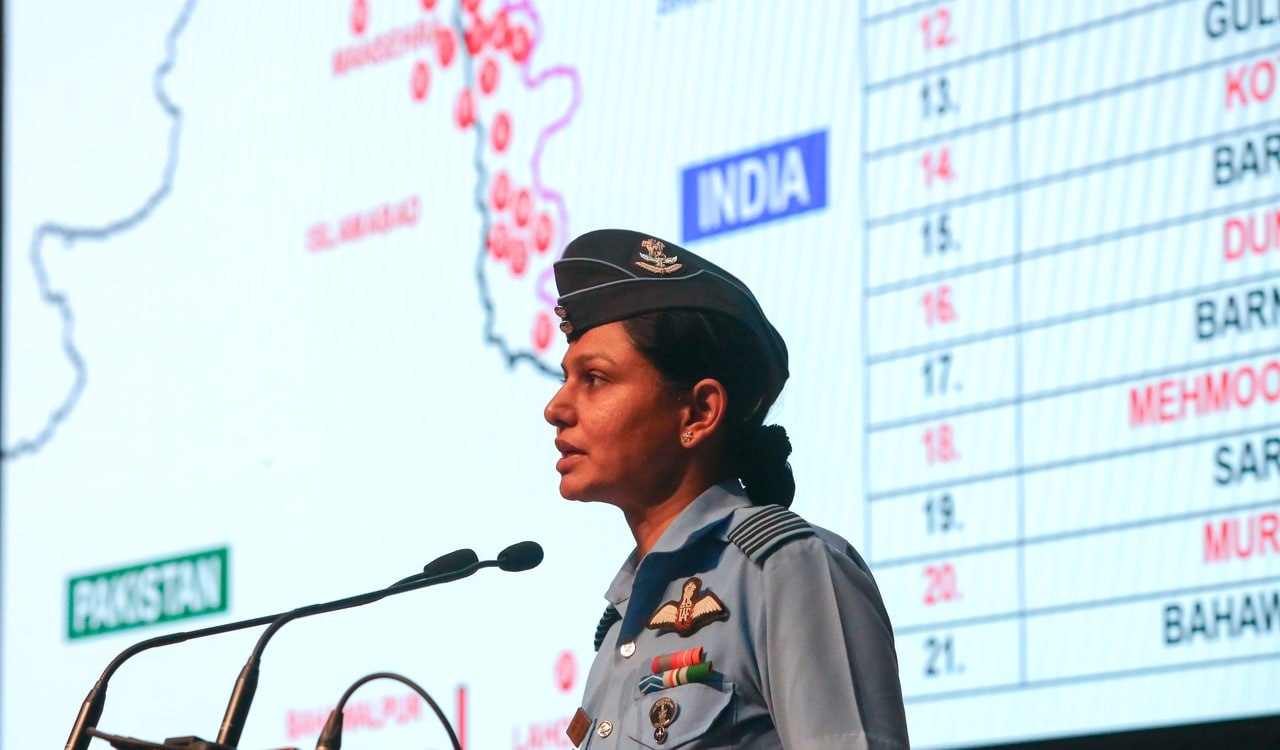
Frustrated by unacted-upon dossiers handed over to Pakistan, India abandoned traditional diplomatic appeals in favor of direct action. Prime Minister Narendra Modi’s administration pursued a kinetic strategy starting in May 2014. Rules of engagement shifted dramatically following major security milestones, including the 2016 surgical strikes in Pakistan-occupied Kashmir, the 2019 Balakot airstrikes after the Pulwama bombing, and Operation Sindoor following the 2025 Pahalgam attack.
The fight would go on, but it is more important that India’s resolve remains strong and the doctrine keeps adapting to the new challenges posed by Pakistan and other state as well as non-state actors.
An Intelligence Bureau official noted that this evolution culminated in the PRAHAAR doctrine, establishing a framework driven by real-time intelligence and proactive neutralization of terror infrastructure. While Jammu and Kashmir has seen a decline in separatism following the abrogation of Article 370, officials warn that radicalisation, disinformation campaigns, and cross-border threats continue to challenge security forces.
Key Facts
The 26/11 Mumbai siege lasted nearly 60 hours and resulted in 166 deaths.Ten Lashkar-e-Taiba terrorists carried out the coordinated attacks across multiple locations.Ajmal Kasab was captured alive, helping investigators link the plot to Pakistan.India’s post-26/11 evolution led to proactive military responses like the 2016 surgical strikes and the PRAHAAR doctrine.TL;DR
- Mumbai 26/11 attacks exposed major intelligence and security gaps leading to 166 deaths.
- Ajmal Kasab’s interrogation proved crucial in linking the 2008 attacks directly to Pakistan.
- India abandoned ineffective diplomatic dossiers in favor of a proactive kinetic counterterrorism strategy.
- Major actions like the 2016 surgical strikes and the PRAHAAR doctrine redefined national security.
- Officials warn that radicalisation and cross-border threats from state and non-state actors persist.