Himachal Pradesh has won the Bhakra Beas Management Board arrears case in the Supreme Court, and the hill state will now receive 11,973 MU of electricity from Punjab and Haryana over the next 20 years. The court delivered the ruling on Friday, November 6, 2026.
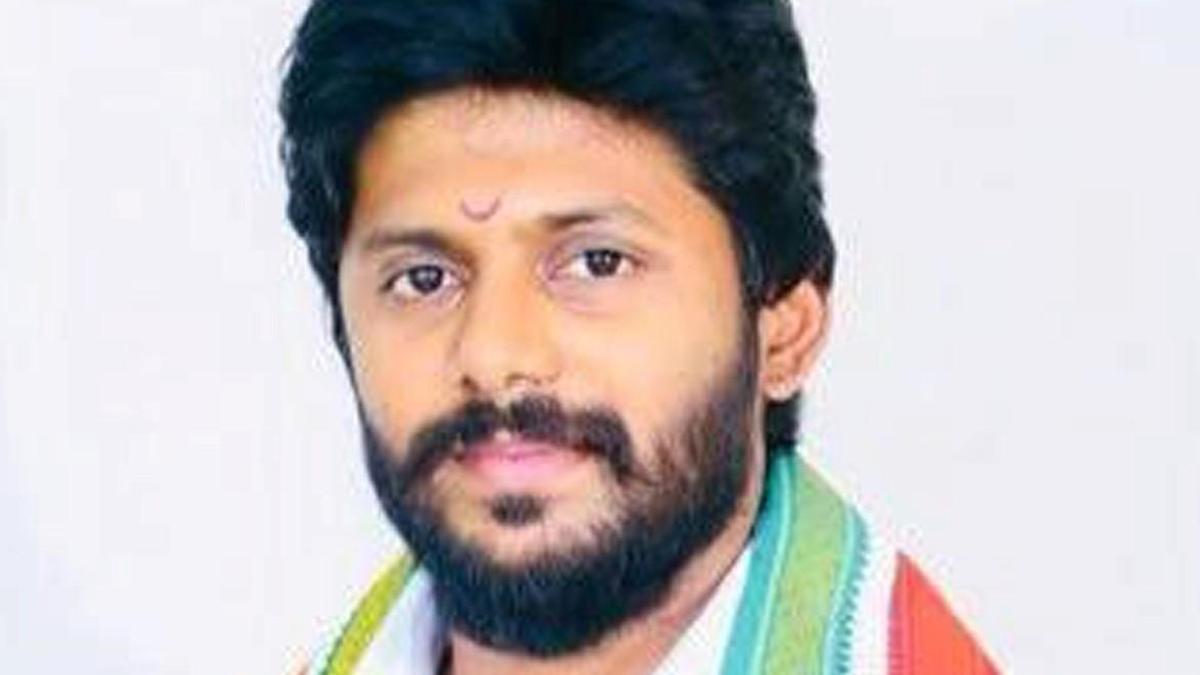
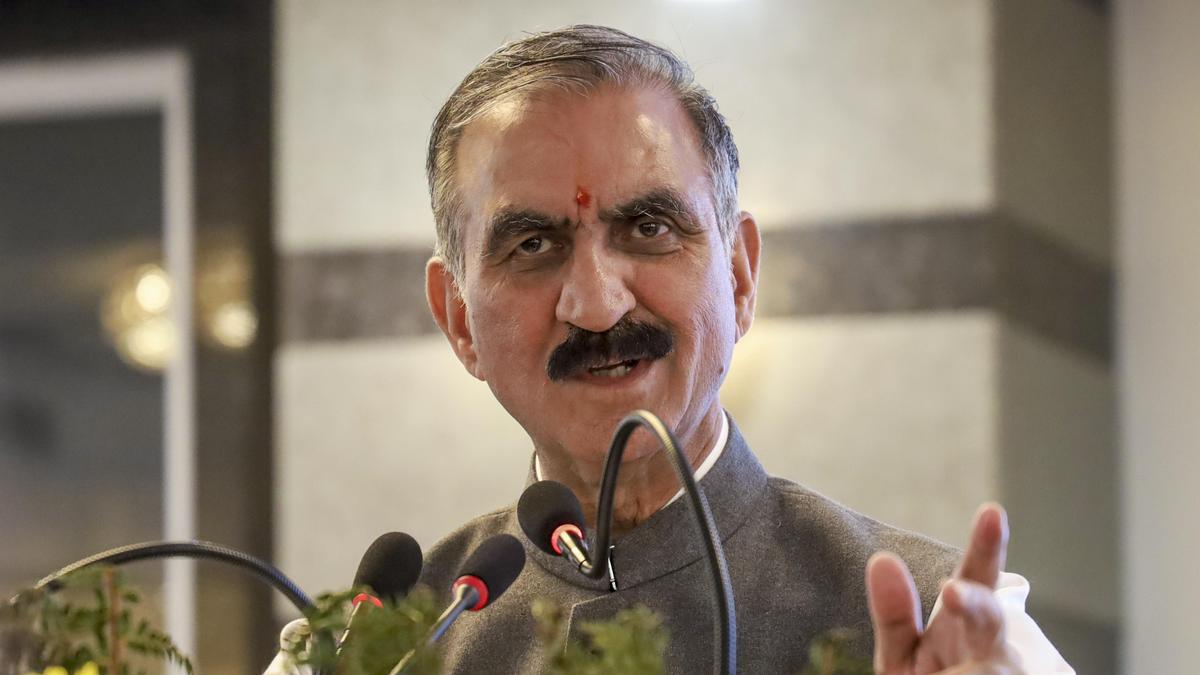
Chief Minister Sukhvinder Singh Sukhu spoke to reporters on Saturday, November 7, and hailed the verdict as a win for his government. He tied the outcome directly to the way his administration handled talks over the Kishau Dam project, a 440-MW hydroelectric scheme that has become the centre of the state’s bargaining with the Centre and its neighbours.
A standoff over Kishau
According to Sukhu, he raised the issue of dues arising from BBMB projects again and again during meetings with the Union Power Minister and officials. He made one point clear: Himachal Pradesh’s rights in the matter had to be resolved before any further progress on the Kishau Dam project.
That hard line, he argued, changed the calculation for the other side. The state also made its position plain on money. Himachal Pradesh asserted that it would not share the cost of the Kishau Dam project. Sukhu said the Haryana government then gave an assurance that it would file an affidavit in the Supreme Court supporting Himachal Pradesh’s claim for the release of arrears on its power share from BBMB projects.
The affidavit matters because the dispute was never only about one dam. It was about money owed to the state for electricity it was entitled to, and about whether Himachal would accept new commitments before those old debts were cleared.
What the verdict actually gives Himachal
The Supreme Court ruled in the state’s favour and said Himachal would get 11,973 MU of electricity from Punjab and Haryana over 20 years. The arrangement follows the rules set out in a 2011 Supreme Court verdict. That earlier judgment settled power dues arising out of the Bhakra Nangal and Beas hydro projects, which had been accumulating since 1966. The rate applied under that settlement is 7.19 per cent.
In plain terms, this is a decades-old account being squared. The power at the centre of the case flows from two of the biggest hydro systems in the region, and the question was how much of that output Himachal was owed and how the arrears should be paid.
Sukhu’s own account of the timeline is blunt. He said the arrears case had been pending for the past 15 years. Without a vigorous push in the top court, he claimed, it would have taken many more years to reach a decision. Credit for the speed of the outcome, in his telling, belongs to the government’s persistence.
The case of arrears, pending for the past 15 years, would have taken many more years to decide if the government had not pursued it vigorously in the top court.
That is a political claim, and the Chief Minister made it in the first days after the ruling. It is his assessment, not an independent finding, and the reports do not include a response from the Centre or from Punjab.
The money question
The next challenge is what Himachal does with the power it receives. Sukhu said the state government is exploring a better price for selling the electricity it gets from the BBMB. At the rate of ₹6 per unit, the state could earn around ₹500 crore. The government, he said, is working towards a better power agreement that could push that revenue to approximately ₹1,000 crore.
Those figures are targets and estimates tied to the price the state can secure. They are not guaranteed income. The gap between ₹500 crore and ₹1,000 crore depends entirely on the terms of the agreement that the government is still negotiating, and the reports do not say when that deal could be finalised.
A bigger ambition
Sukhu used the occasion to describe a wider goal. He said the state government was moving ahead with the aim of making Himachal Pradesh self-reliant. He also expressed confidence that the state would become the most prosperous in the country by 2032.
That is a bold timeline, and it rests heavily on revenue streams like this one. Power income from the BBMB arrears settlement, the Kishau Dam project and any better sale agreement would all have to work together for the goal to be reached.
What the reports leave open is just as important as what they confirm. The Supreme Court has ruled, and the state has its entitlement in writing. What is still to be seen is how quickly the power flows, how much money the state can squeeze out of it, and whether the Kishau Dam talks move forward on the terms Himachal has set out.
TL;DR
- Himachal Pradesh has won the BBMB arrears case in the Supreme Court, which will supply 11,973 MU of electricity over 20 years.
- The Supreme Court ruling was delivered on Friday, November 6, 2026, and follows a 2011 verdict on hydro power dues.
- Chief Minister Sukhvinder Singh Sukhu credits the state’s tough stance on the 440-MW Kishau Dam project for the outcome.
- Haryana assured the state it would file an affidavit in the Supreme Court supporting Himachal’s claim for arrears.
- Sukhu says the state could earn around ₹500 crore at ₹6 per unit, with a better deal lifting revenue to about ₹1,000 crore.