Pure drinking water does not spoil on its own the way milk or packaged food does, but the container it sits in and the conditions around it can turn a safe bottle into a risky one. A lifestyle explainer breaking down the question of whether water really expires lays out exactly where the danger lies.
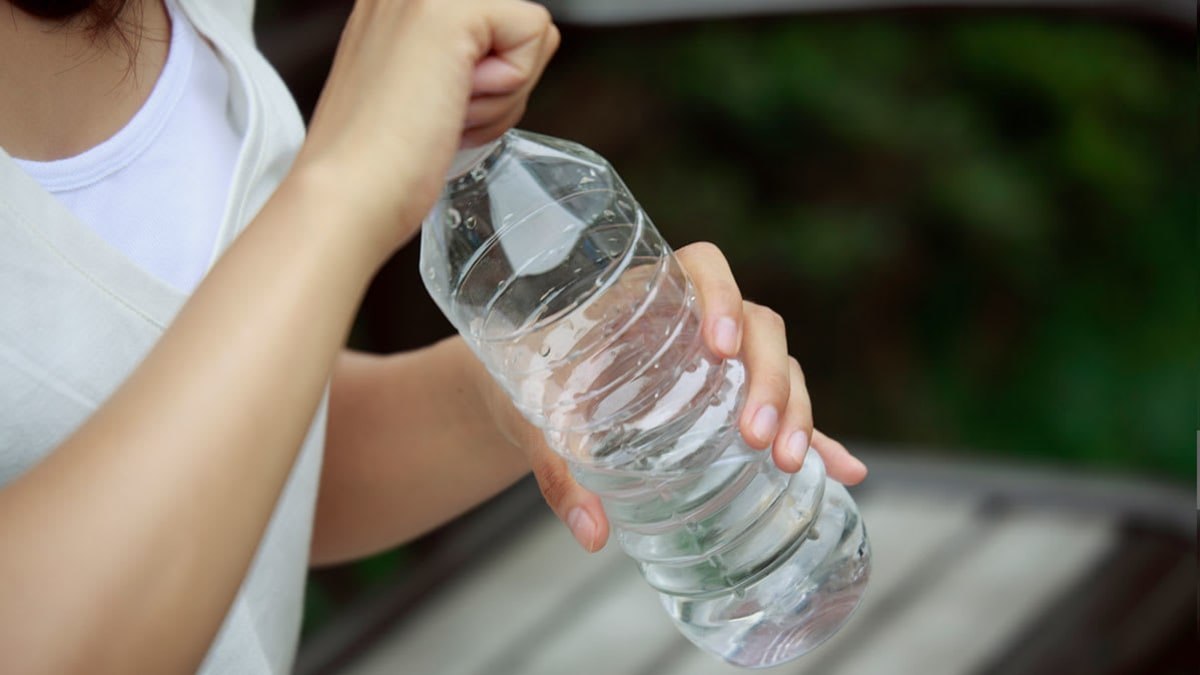
So why do bottles carry an expiry date at all? The answer is that water is only part of the product. Bottle quality, packaging and storage conditions all matter. Bottles left in direct sunlight or in hot spaces can see their quality affected, and a damaged seal or a loosely fitted cap gives outside contaminants a way in.
Does water have a real expiry date? Not in the way food does. Clean water that has been properly treated and kept in a clean container can stay usable for a long time. The trouble starts when storage is careless. Dust, bacteria and other contaminants can get in, and water that has picked them up may no longer be safe to drink, even if nobody printed a date on the label.
Pure water does not spoil naturally like milk or other food items.
That single line is the reason the rest of the advice matters. The water itself is rarely the weak point. The vessel, the seal and the surroundings are.
What the printed date actually tells you. Packaged drinking water carries details such as the manufacture or packing date, an expiry or use-by date, and storage instructions. The explainer notes that standards applicable to packaged drinking water in India call for these details to be printed on the bottle. Ignoring that date is not a smart shortcut. It is the manufacturer’s own guidance on when the product should be consumed and how it should be kept.
Storing plastic bottles the right way. Keep bottles out of direct sunlight and away from hot cars and high-temperature areas. Pick a spot that is cool, dry and clean. Do not store them near petrol, paint, floor cleaners or other chemicals, because those can compromise a bottle that is otherwise sealed. Before buying, check that the seal is intact and the cap is fitted properly. A bottle with a damaged seal or a faulty cap should stay on the shelf.
Shoppers should also read the label before they pick it up. The manufacture date, expiry date and storage instructions are all there for a reason, and a few seconds of checking can save you from drinking something you should not.
What happens once the seal is broken. An opened bottle does not go bad the moment you crack the cap. The risk builds with use. Once a bottle is open, air, hands and mouths can introduce microorganisms into the water. Sharing one bottle among several people, or drinking straight from the bottle with your mouth touching the opening, raises the chance of contamination. Keep the lid tightly closed between sips, drink what you open as soon as you reasonably can, and avoid leaving leftovers at room temperature for long stretches. The explainer’s advice is to refrigerate any water that remains.
The warning signs. If water smells unnatural, tastes off or changes colour, do not drink it. The same applies to any bottle with a damaged seal. The rule is simple: if your senses tell you something is wrong, trust them over the date on the label. A bottle that still has months left on its printed date but looks or tastes wrong is not safe.
Home storage is its own problem. People who keep water in clay pots, steel vessels or other containers at home need to watch cleanliness closely. Clean the storage container often. Avoid dipping hands, or used glasses, into stored water. Use a clean ladle or draw water from a tap instead. Keep a lid on the vessel at all times. Stored water should not be used indefinitely, so replace old water with fresh supply regularly. If you spot dirt, algae or other residue inside the container, clean it thoroughly before refilling.
Water that has sat in a home container for a long time deserves the same suspicion as an opened bottle left in a hot car. The vessel and the environment shape what ends up in your glass.
A quick checklist before you drink. Look at the manufacture and expiry dates on packaged bottles. Confirm the seal is intact before you buy or open. Store bottles in a cool, dry, clean place away from chemicals and direct sun. Once opened, keep the cap on, drink promptly and refrigerate leftovers. At home, clean storage vessels, keep them covered and refresh stored water regularly. Throw out anything that smells, tastes or looks different from normal.
The bottom line. The report’s message is practical rather than alarming. Water itself does not carry a natural shelf life the way food does, but packaged water still comes with a printed date, and that date deserves attention. Store it properly, keep containers sealed and clean, and trust your senses when something seems off. Most of the danger in expired water is not in the water. It is in how the water was kept.
TL;DR
- Pure drinking water has no natural expiry date like milk or packaged food.
- Storage conditions, bottle quality and broken seals can make water unsafe to drink.
- Packaged water carries manufacture dates, expiry or use-by dates and storage instructions printed on the bottle.
- Keep plastic bottles away from direct sunlight, hot cars and chemicals like petrol, paint and floor cleaners.
- Once opened, water can pick up microorganisms from air, hands and mouths, so drink it quickly and refrigerate leftovers.
- If water smells, tastes or looks different, do not drink it.