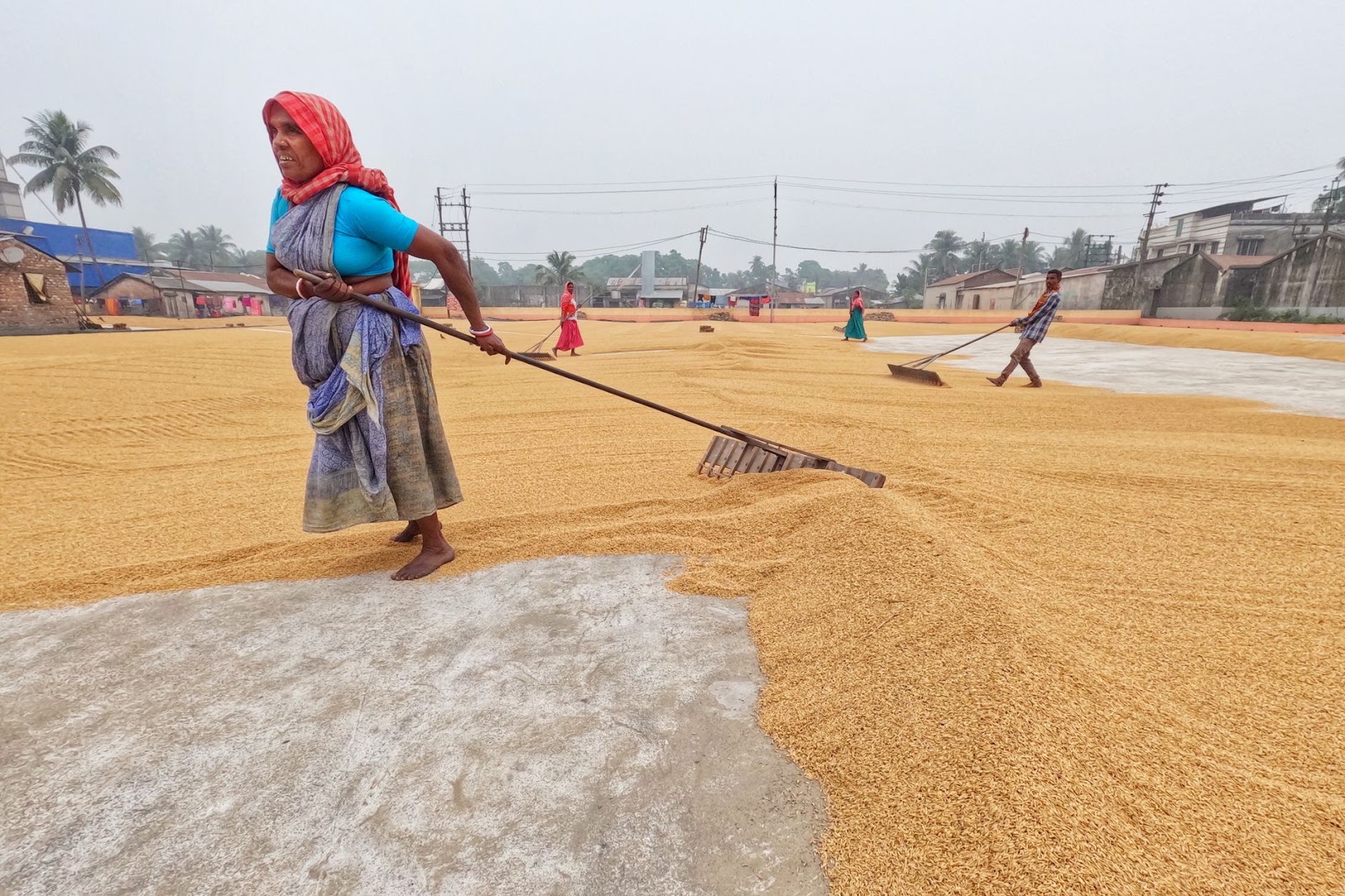
India is considering export duties on certain rice varieties to ease price increases at home, two government and two industry sources told Reuters, though no final decision has been made.
The government is weighing curbs on 100% broken rice and some premium non-Basmati grades that are in short supply in southern states, according to officials and industry sources who spoke on condition of anonymity because the talks are not public. One government source said New Delhi is considering a duty of around 20% on varieties that have seen sharp price rises, and that the final call would follow consultations with all relevant ministries.
Why Poultry and Cattle Feed Makers Pushed for Limits
The poultry and cattle feed industries were hit hardest by a steep rise in broken rice prices and had urged the government to restrict shipments, another government official said. "We are considering measures to limit exports and support the domestic industry," the official said.
Will the Duty Actually Lower Prices for Households?
A New Delhi-based dealer with a global trade house said the duty may slow Indian rice exports but is unlikely to stop them, given the country’s price advantage over rival suppliers. The proposed measure could also help exporters in Thailand, Vietnam and Myanmar, which have struggled to compete with cheaper Indian supplies.
Not every grade is under pressure. Mukesh Jain, an exporter based in Raipur in Chhattisgarh, said prices of some premium non-Basmati varieties have risen, but others remain largely stable, with domestic supplies comfortably exceeding demand.
Record State Reserves Fuel the Debate
Exporters argue the stockpile already offers a cushion. State reserves of rice, including unmilled paddy, totalled a record 55.3 million metric tons as of November 1, nearly four times the government’s target. "There is no need to restrict rice exports," Jain said. "Exports should continue uninterrupted to help create storage space for the new crop."
There is no need to restrict rice exports. Exports should continue uninterrupted to help create storage space for the new crop.
Which rice varieties could be affected?
The government is focusing on 100% broken rice and some premium non-Basmati grades that are in short supply in southern states, according to the sources.
Has the government confirmed the duty?
No. A government spokesperson did not immediately respond to a request for comment, and the decision would follow consultations with all relevant ministries.
TL;DR
- India is considering export duties on select rice varieties to ease domestic price rises.
- A duty of around 20% is under consideration, per a government source.
- 100% broken rice and some premium non-Basmati grades are the main focus.
- Poultry and cattle feed industries urged the government to restrict shipments.
- State rice reserves hit a record 55.3 million metric tons as of November 1.
- No final decision yet; consultations with ministries are pending.
Frequently asked questions
Which rice varieties could face India’s proposed export duty?
The government is weighing curbs on 100% broken rice and some premium non-Basmati grades that are in short supply in southern states, according to sources.
Will the export duty stop rice shipments from India?
A New Delhi-based dealer said the duty may slow exports but is unlikely to stop them, given India’s price advantage over rival suppliers.
Is the government’s decision on the rice export duty final?
No. The final decision will be made after consultations with all relevant ministries, according to government sources.