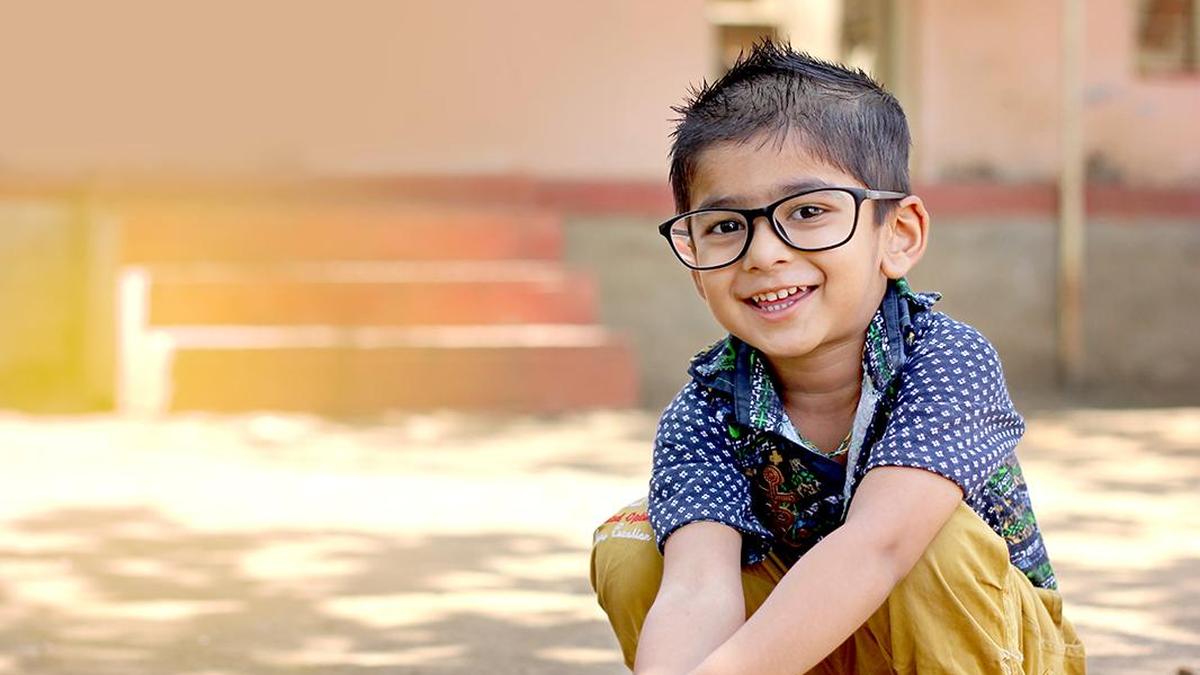
Only 23.03% of school-going children in north India who were prescribed spectacles were actually wearing the correct prescription, according to a study of 5,268 children. The finding raises concerns that many children may be struggling to see clearly in class.
Why a wrong prescription matters
An incorrect or outdated prescription can leave a child’s vision poorly corrected. The result can be blurred vision, eye strain and headaches, all of which can affect classroom activities and learning.
Children’s eyesight can change as they grow. That is why regular eye examinations matter, and wearing glasses alone does not guarantee that vision is being corrected properly.
What the study found
The study found that inaccurate spectacle power was common. Younger age and longer duration of spectacle use were among the factors linked to the problem.
Key Facts
The study covered 5,268 school-going children in north India.Only 23.03% of children prescribed spectacles were using the correct prescription.Inaccurate spectacle power was common among the children studied.Younger age and longer duration of spectacle use were among the associated factors.Children’s eyesight can change as they grow, requiring regular eye exams.Should parents check their child’s glasses?
The report points to regular eye examinations as the way to confirm that a child’s prescription still fits. Wearing spectacles alone does not show whether the lens power is correct.
TL;DR
- Only 23.03% of prescribed school children in north India wore the correct glasses power, a study of 5,268 pupils found.
- Inaccurate spectacle power was common in the study group.
- Younger age and longer spectacle use were among the associated factors.
- Wrong prescriptions can cause blurred vision, eye strain and headaches.
- Children’s eyesight changes as they grow, making regular eye exams important.
- Wearing glasses alone does not ensure vision is properly corrected.
Frequently asked questions
Why does a wrong glasses prescription matter for children?
An incorrect or outdated prescription can leave a child’s vision inadequately corrected, causing blurred vision, eye strain and headaches that can affect classroom learning.
How many children in the study were wearing the correct prescription?
Only 23.03% of the 5,268 school-going children in north India who were prescribed spectacles were using the correct prescription.