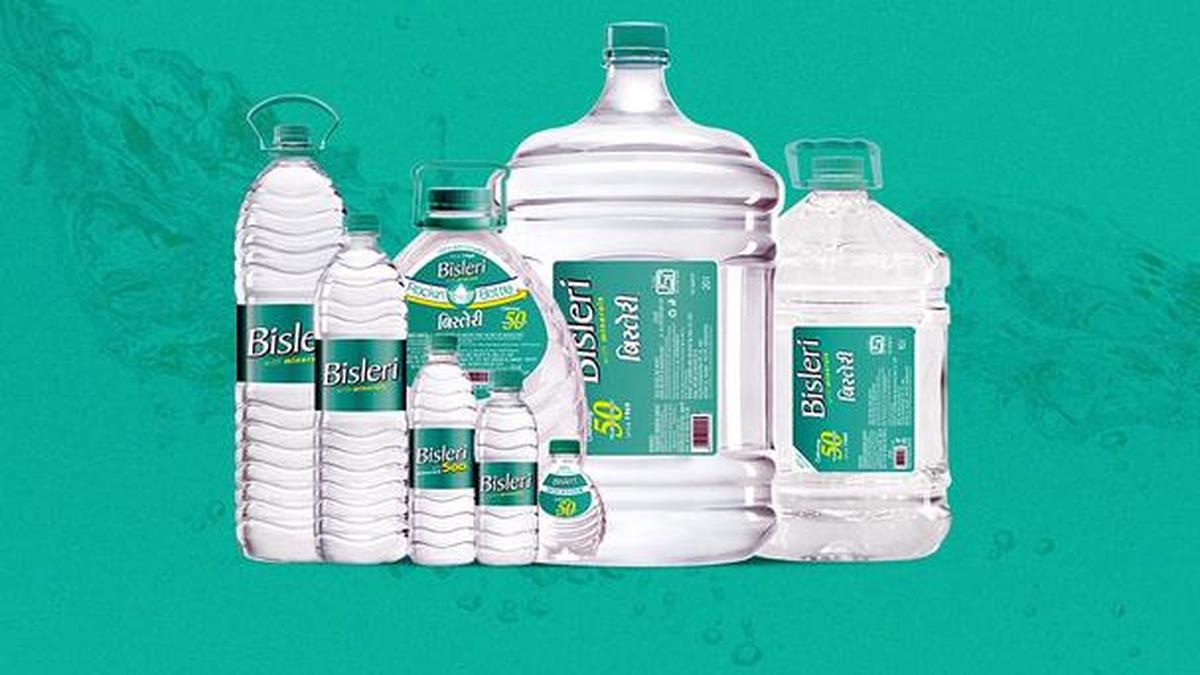
The Food Safety and Standards Authority of India has sanctioned prosecution against Bisleri International Pvt Ltd after a sample of its packaged drinking water was declared unsafe for consumption.
The initial test found the sample exceeded the prescribed limit for bromate. After the company appealed, a referral food laboratory also detected polynuclear aromatic hydrocarbons, or PAHs, and declared the sample unsafe. FSSAI announced the action on social media on November 22, 2026, saying recent inspections and compliance verifications had led to immediate enforcement against various food business operators.
What Bisleri Says
Bisleri disputes the findings. In a statement posted on Facebook, the company said the matter dates back about 14 months, to a batch produced in September 2025 at its Goa manufacturing facility, one of 143 plants in its network.
According to the company, FSSAI collected six samples from the Goa facility on September 30, 2025. Five met all applicable standards. The sixth recorded bromate at 12 micrograms per litre, against a limit of 10. After Bisleri’s appeal dated November 22, 2025, FSSAI sent that sample to a referral laboratory. That lab found bromate within the limit but flagged PAHs.
Bisleri said it then had the same sample tested at an FSSAI-approved laboratory, which also found bromate within the limit. The company said it submitted those results to FSSAI’s Western Regional Office on February 2, 2026, and received no further communication. It said it has not located the reported notice on FSSAI’s website. The company said it runs more than 90 tests across its 10-step manufacturing process and called its water safe for consumption.
What the Chemicals Mean for Your Body
Kanikka Malhotra, a consultant dietician and diabetes educator, said the concern is long-term rather than an emergency. Bromate forms when ozone, used to keep water clean, reacts with a natural mineral called bromide. Health concerns relate to drinking water above the limit every day for many years. A single bottle or a few will not make anyone ill, she said.
The limits are deliberately strict, Malhotra said, and crossing one is a reason for regulators to investigate, not a reason to panic. PAHs come from burning fuel, wood and coal, and most people take in tiny amounts from air and from grilled or smoked food. For packaged water, the standard is that PAHs are not detectable, so any detection means the plant must investigate.
Packaged Water Versus Mineral Water
Malhotra explained the difference as one of source. Packaged drinking water can come from any source and is purified through filtration, UV, ozone or reverse osmosis. Natural mineral water comes from underground sources and is packaged close to the source, with only limited treatments allowed. Both are regulated and tested, and neither is automatically healthier. She advised checking the label for the exact category, since the word mineral on a pack does not always mean natural mineral water.
Bromate forms only when ozone meets bromide in the source water. Plants that use UV or reverse osmosis do not create it. Where ozone is used, the amount depends on bromide levels, pH, the ozone dose and contact time, and plants control and test those batches. Consumers do not need to treat or test anything at home.
What Readers Should Do
Malhotra said there is no need to stop drinking packaged water or worry about bottles already consumed. She recommended choosing a licensed brand, noting batch details on the label, and storing bottles away from heat and sunlight. Those who want extra assurance at home can use a well-serviced RO or UV purifier on safe tap water. Bisleri has been trending on Google for the past 24 hours.
TL;DR
- FSSAI has sanctioned prosecution against Bisleri after a packaged water sample was declared unsafe.
- The sample first exceeded the bromate limit, then a referral lab also flagged PAHs.
- Bisleri says an FSSAI-approved lab found bromate within the limit and disputes the findings.
- The disputed batch was produced in September 2025 at the company’s Goa plant.
- A dietician says a single bottle poses no immediate risk; the concern is long-term daily exposure.
Frequently asked questions
What did FSSAI find in Bisleri water?
The initial test found bromate above the prescribed limit, and a referral food laboratory later also detected polynuclear aromatic hydrocarbons, or PAHs, and declared the sample unsafe.
What does Bisleri say about the findings?
Bisleri says an FSSAI-approved laboratory found bromate within the prescribed limit and that it has received no further communication from FSSAI since submitting those results in February 2026.
Is one bottle of contaminated water dangerous?
According to dietician Kanikka Malhotra, a single bottle or a few will not make anyone ill, since the concern relates to drinking water above the limit every day for many years.