James Gunn and Peter Safran are exiting as heads of DC Studios, less than a month after Paramount Skydance closed its acquisition of Warner Bros. Discovery. Jeremy Latcham takes over as the new head of DC films, and the shake-up means Gunn’s plans for the DC Universe will not survive in their current form.
Nobody outside the studio can say yet whether the DCU will continue or get rebooted again. Gunn is still attached to write one more DC project after his Superman sequel, Man of Tomorrow, comes out. He will also stay with Man of Tomorrow through post-production.
Gunn’s tenure lasted about four years. He arrived with a plan called Chapter One, which involved 10 film and television projects. More than half of them have now been cancelled or stuck in development hell. That is a hard number to ignore, and it is not the only thing that makes this exit feel familiar to longtime DC watchers.
A franchise that was already in trouble
When Gunn and Safran took control, the DC film franchise was in bad shape. The first Wonder Woman and Aquaman movies made money. Still, the Justice League story that followed, shaped by clashing visions from Zack Snyder and Joss Whedon, left the series with a messy throughline. Birds of Prey, Black Adam, Shazam! Fury of the Gods, The Flash, and Blue Beetle all disappointed at the box office or flopped outright.
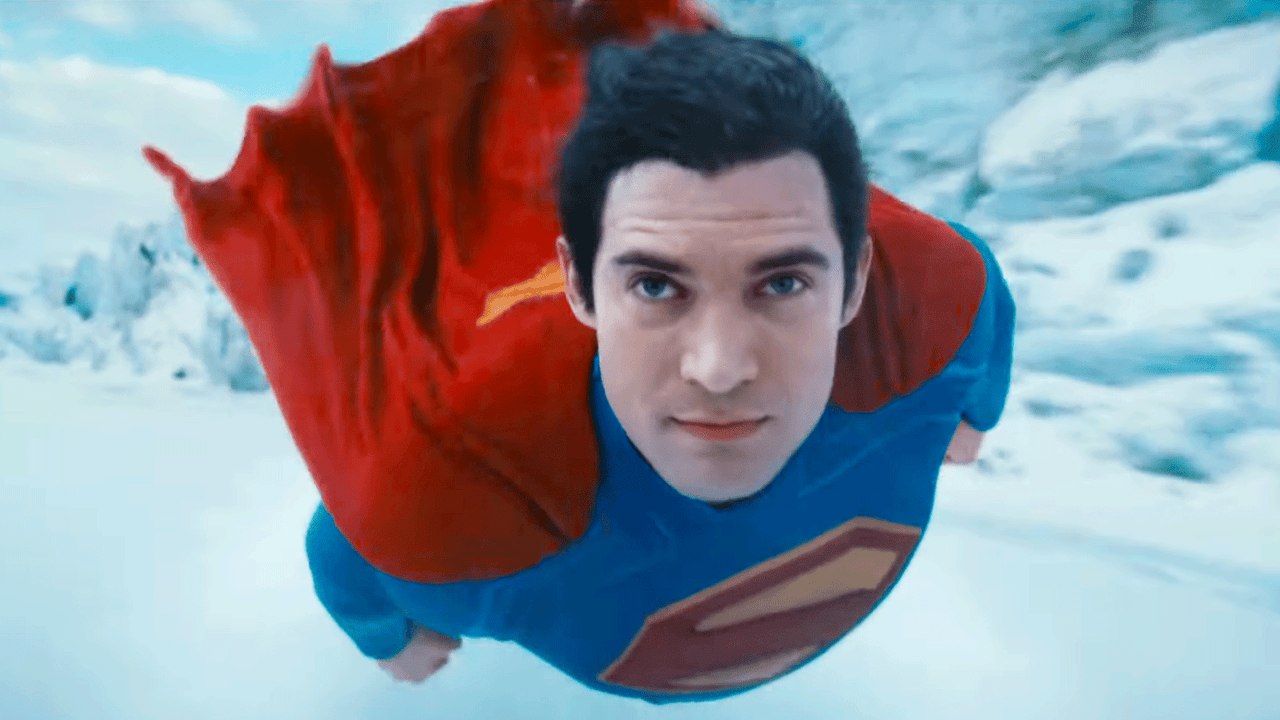
Gunn already had DC experience through The Suicide Squad and the Peacemaker series, so many fans saw him as a fresh start. His Superman reboot got the fundamentals right, with a strong cast, an optimistic tone, and a sharp take on Lex Luthor. The trouble came with his taste for offbeat characters. Fans pushed back when he developed projects around Gorilla Grodd and Krypto while Batman and Wonder Woman were nowhere to be seen. A Polka-Dot Man prequel show that he reportedly considered shortly before this week’s news only adds to the irony.
The canon problem nobody could solve
Gunn’s biggest obstacle may have been his own past work. He had already made films in the previous DCEU, and those projects made the new canon hard to follow. Parts of The Suicide Squad and Peacemaker were declared canon to the DCU, while the rest of the old universe was pushed out of continuity. Gunn ended up hosting an "Is It Canon?" podcast about his own work to explain it. In that same stretch, he said he was unsure whether the Joker exists in the new DCU, while also saying Margot Robbie was welcome to return as Harley Quinn if she wanted to.
Gunn was never going to throw his own films out of continuity, and that made a clean reboot almost impossible.
Snyder’s plan fell first
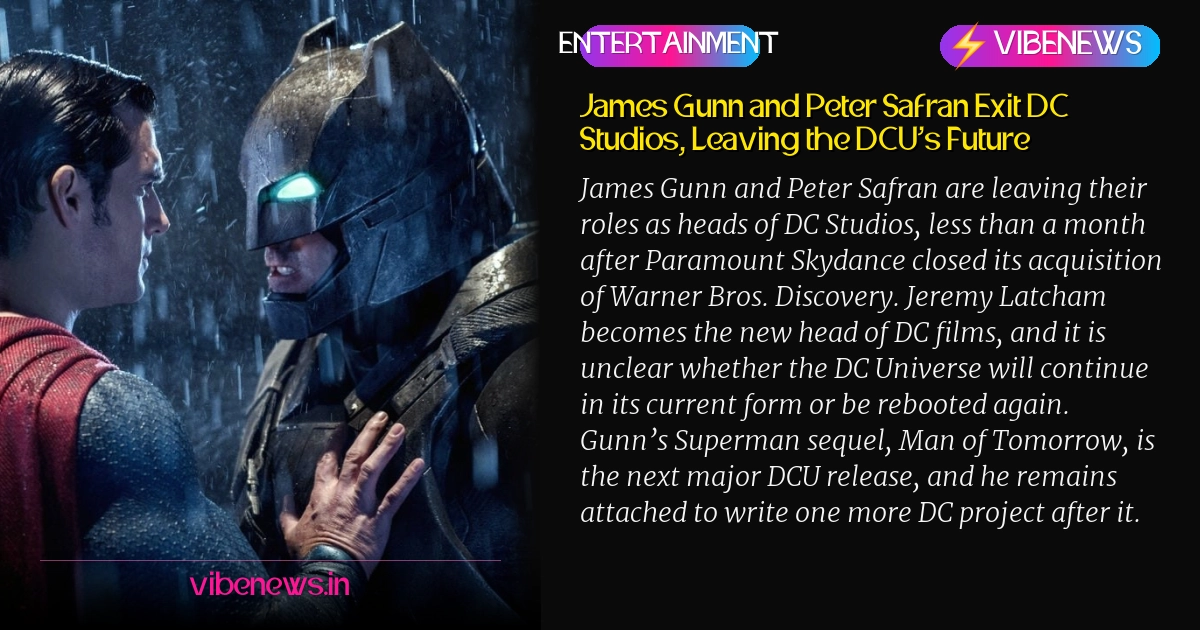
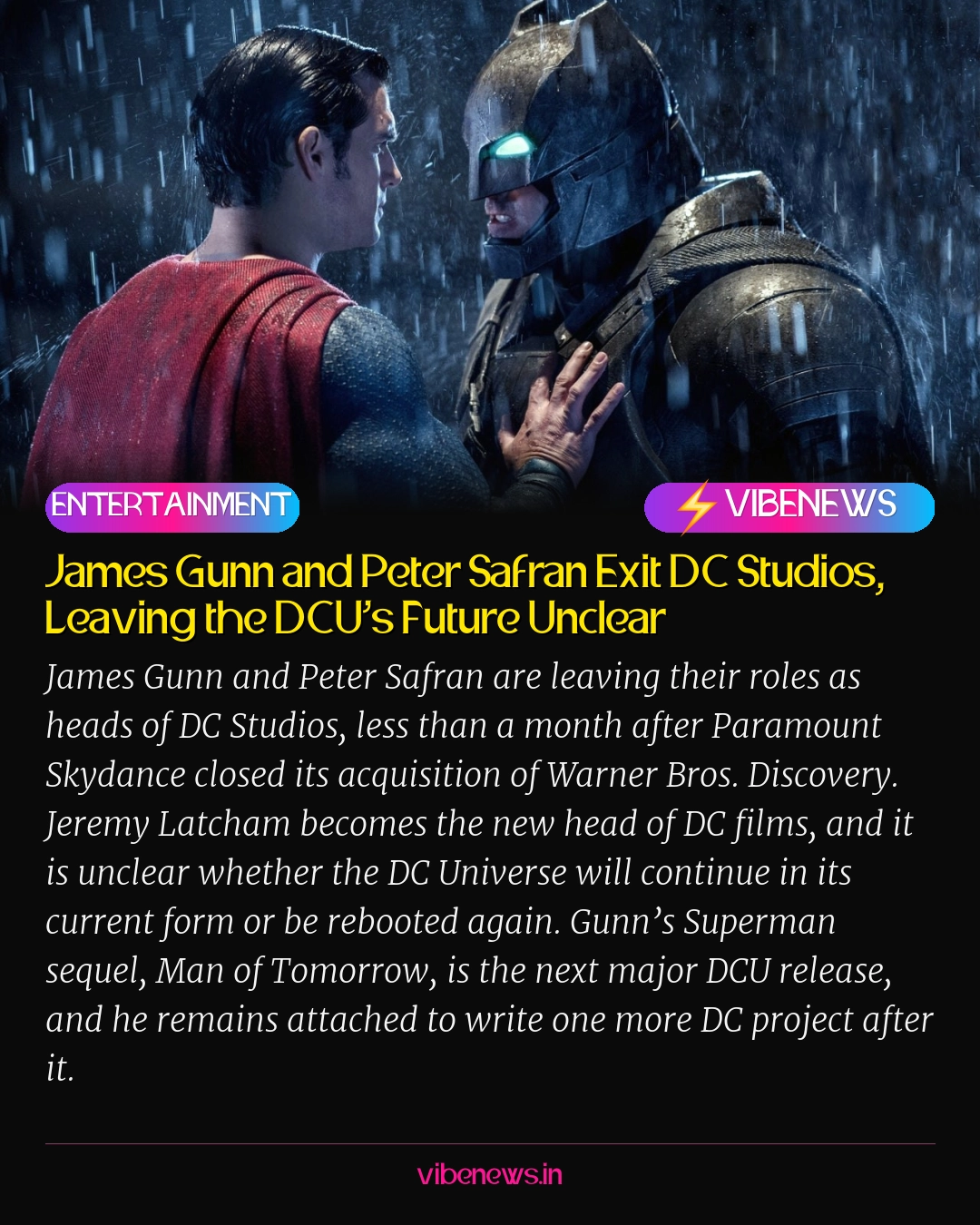
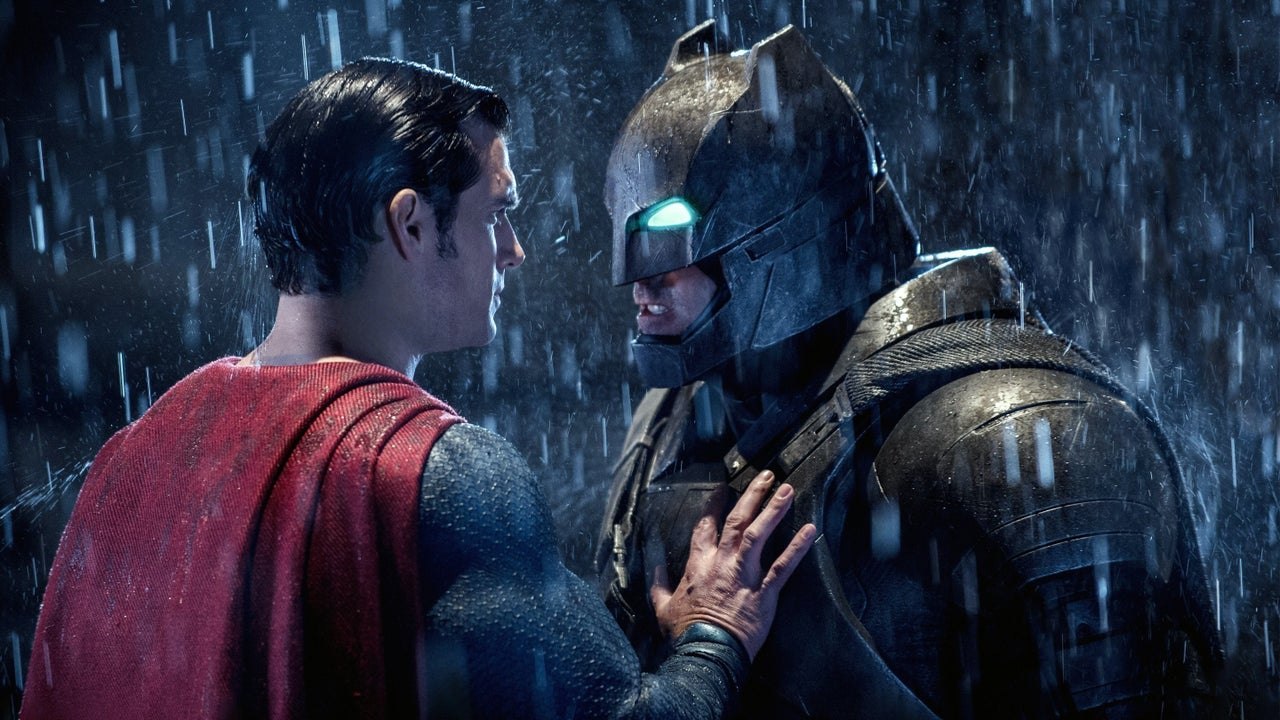
The DCU did not invent this cycle of upheaval. Man of Steel arrived in 2013, and Snyder’s darker take on DC’s heroes split audiences. Batman v Superman: Dawn of Justice received a harsh reception that left the DCEU in a ditch while the MCU was reaching new heights. Snyder’s plan was a five-film arc with three Justice League movies. It collapsed halfway through when the studio brought in Whedon to reshoot and remix the first Justice League film during production.
The Flash was supposed to reset the franchise through the Flashpoint story. Instead, it passed through a revolving door of directors and writers, including Seth Grahame-Smith, Rick Famuyiwa, John Francis Daley, and Jonathan Goldstein, before Andy Muschietti finished it. Its release was then overshadowed by Ezra Miller’s public legal troubles and a third act that used CGI to bring back deceased actors Christopher Reeve, Adam West, and George Reeves.
Behind the scenes, the studio faced a long run of turmoil. Black Adam also carried its own story. Dwayne Johnson was alleged to have leaked falsified financial information to the press to make the film look like a hit rather than a box office bomb. As part of the push around that film, Henry Cavill returned as Superman in its post-credits scene. He publicly shared that he was departing the role again two months later.
Why the MCU keeps winning the comparison
All of those cancelled projects and changing leaders explain why the DC movie universe has never matched the cultural weight of Marvel’s. Every new regime arrives with its own ideas, and audiences have learned not to get attached. DC’s films rarely get the chance to build momentum before someone rewrites the plan.
Man of Tomorrow now carries an unusual weight. It was meant to be a pillar of Gunn’s universe. Instead, fans will watch it knowing it marks the end of his vision. The columnist compares it to The Flash, which was also asked to set up new heroes and storylines that may never go anywhere.
What comes next for Gunn’s characters
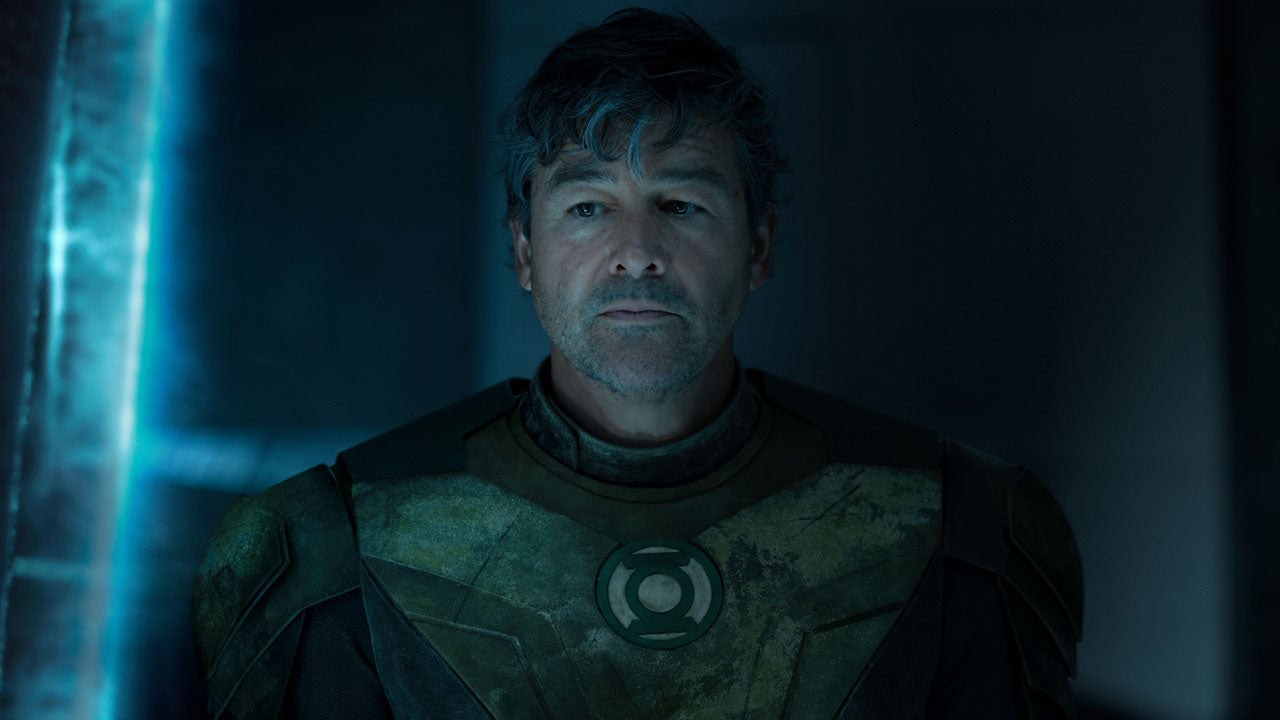
Latcham could keep the current DCU going rather than force another reboot. That option has its supporters, since the last version only just wrapped up. Still, new leadership usually brings fresh ideas, and that leaves Gunn’s casting choices in limbo. Kyle Chandler’s Hal Jordan is dead, and it is unclear whether DC would bring him back if it revives Green Lantern. Tom Rhys Harries’s Clayface may never meet the next Batman. Adria Arjona has been rumored to take over as Wonder Woman in Man of Tomorrow, though that is still only a rumor.
There is also an old debate about whether fans should judge superhero films as standalone works. The columnist argues that idea no longer fits how these movies are made. Since the MCU’s success, nearly every superhero project is marketed as part of a larger franchise. Matt Reeves’s The Batman sits inside what has been called "The Batman Epic Crime Saga," alongside spin-offs such as the Penguin series on HBO Max.
Whatever Latcham decides, the bigger issue is trust. Fans have been asked to keep investing in stories that keep getting reset. The columnist’s warning is blunt: if DC wants to stop playing second fiddle to its competition, it has to deal with the upheaval that has worn down audience goodwill.
"After all, it’s impossible to build something sturdy when the foundation’s always falling out from under you."
TL;DR
- James Gunn and Peter Safran are exiting as heads of DC Studios, less than a month after Paramount Skydance closed its Warner Bros. Discovery deal.
- Jeremy Latcham takes over as the new head of DC films, and it is still unclear whether the DC Universe continues or gets rebooted again.
- Gunn remains attached to write one more DC project after Man of Tomorrow, his Superman sequel, which he will see through post-production.
- More than half of Gunn’s Chapter One slate of 10 projects has been cancelled or stuck in development.
- The DCU’s canon confusion, shifting directors, and past box office flops made a stable DC universe hard to build from the start.