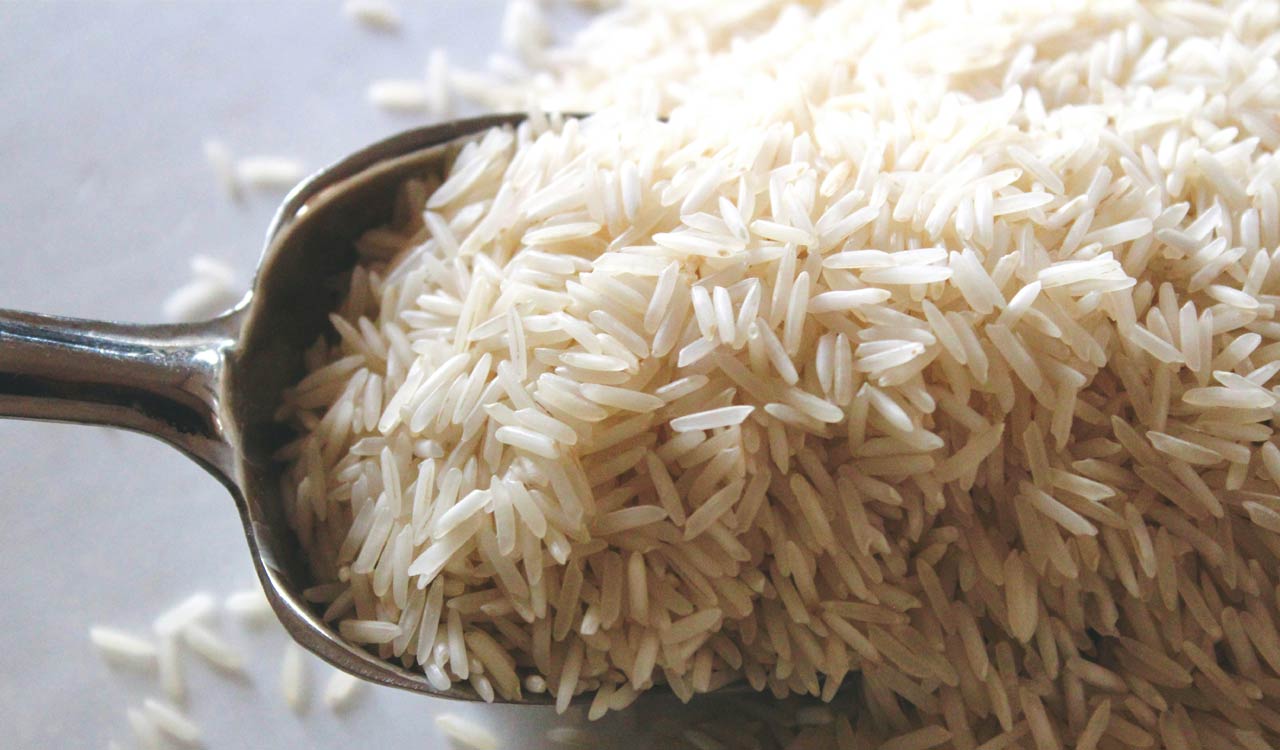
The Civil Supplies Department has capped retail prices of major rice varieties in Telangana at Rs 66 to Rs 79 per kg, and it has warned traders that overcharging will bring strict action. Officials are conducting inspections and are preparing to invoke the Preventive Detention Act against habitual offenders.
The new ceilings are not uniform. BPT and KNM rice cannot be sold above Rs 66 per kg. Premium RNR and Telangana Sona varieties are capped at Rs 74 per kg. The popular HMT and JSR varieties have a ceiling of Rs 79 per kg. These figures are maximum retail prices, which means a shopkeeper who charges more than the printed rate is violating the order.
The department acted after complaints about rising rice prices in the retail market. Officials say middlemen are creating artificial shortages to push prices up, and they are working to stop what they describe as consumer exploitation. The inspections are described as continuous, so the pressure on retailers is unlikely to ease soon.
Shortage claims under scrutiny
Some shopkeepers have said they are facing stock shortages. The department’s response is blunt. Officials cautioned retailers against believing unverified claims of scarcity, because middlemen can use those claims to justify higher prices. The message to shopkeepers is simple: do not panic, and do not raise prices because someone is pressuring you to do so.
The department advised retailers not to panic or increase prices due to such pressure.
For retailers who really are running short, the department has pointed to a way around the middlemen. They can approach their respective District Civil Supplies Officers, submit stock indents, and buy rice directly from millers. That route cuts out wholesalers and traders, who are the people the department considers responsible for the squeeze.
The government has also put illegal activity on notice. Officials warned of legal action against anyone involved in illegal hoarding, diverting stocks to the black market, or artificially inflating prices. The department is preparing to use the Preventive Detention Act against habitual offenders, a step that goes well beyond a fine or a warning letter.
How buyers are being cheated
The inspection teams have already found specific tricks. In one case, traders were weighing and labelling 25-kg bags as 26-kg bags. For a household buying a bag, that mismatch matters. If a buyer pays for 26 kg and gets 25 kg, the shortfall is a full kilogram of rice that was never delivered. At the Rs 66 per kg ceiling for BPT and KNM, that single missing kilogram works out to Rs 66 of value lost from one bag.
The department has also found MRP violations. In these cases, the original price was concealed with fake tags showing a higher price. A buyer who sees a higher number on the bag may assume it is the legal rate, when the real maximum has been covered up. The department’s inspections are aimed at exactly this kind of deception.
Why this matters for household budgets
Rice is a daily staple for most families, so even a small overcharge adds up over a month. A family that buys a bag every few weeks can lose more to a mislabelled weight or an inflated tag than it would notice in a single trip to the shop. The price caps are designed to put a ceiling on that exposure, but the ceiling only works if buyers know the printed maximum and check what they are paying.
Consumers can protect themselves in simple ways. Check the printed MRP on the bag before paying. Look carefully for tags stuck over original prices. Verify the weight printed on the packing, because the department has documented bags labelled one kilogram heavier than they were.
The report does not say how many traders have been inspected, how many cases have been registered, or whether any preventive detention orders have been issued. Those figures would show how widespread the problem is and how seriously the enforcement drive is being carried out. Until they are published, the department’s warnings remain a statement of intent backed by specific examples, not a count of penalties.
TL;DR
- Telangana has capped retail rice at Rs 66 to Rs 79 per kg, depending on the variety.
- BPT and KNM are capped at Rs 66 per kg, while premium RNR and Telangana Sona cannot exceed Rs 74 per kg.
- HMT and JSR have a maximum retail price of Rs 79 per kg, enforced through continuous field inspections.
- Inspectors have found traders labelling 25-kg bags as 26-kg bags and concealing original prices with higher tags.
- Retailers short of stock can approach District Civil Supplies Officers and buy directly from millers.
- The department is preparing to invoke the Preventive Detention Act against habitual offenders.