Matt Freedman, a former technical designer at Rockstar Toronto, has detailed how GTA 5 pulled off seamless character switching during missions on PlayStation 3 and Xbox 360 hardware, and the work it took to make it look effortless. His account lands just hours before players get their hands on GTA 6.
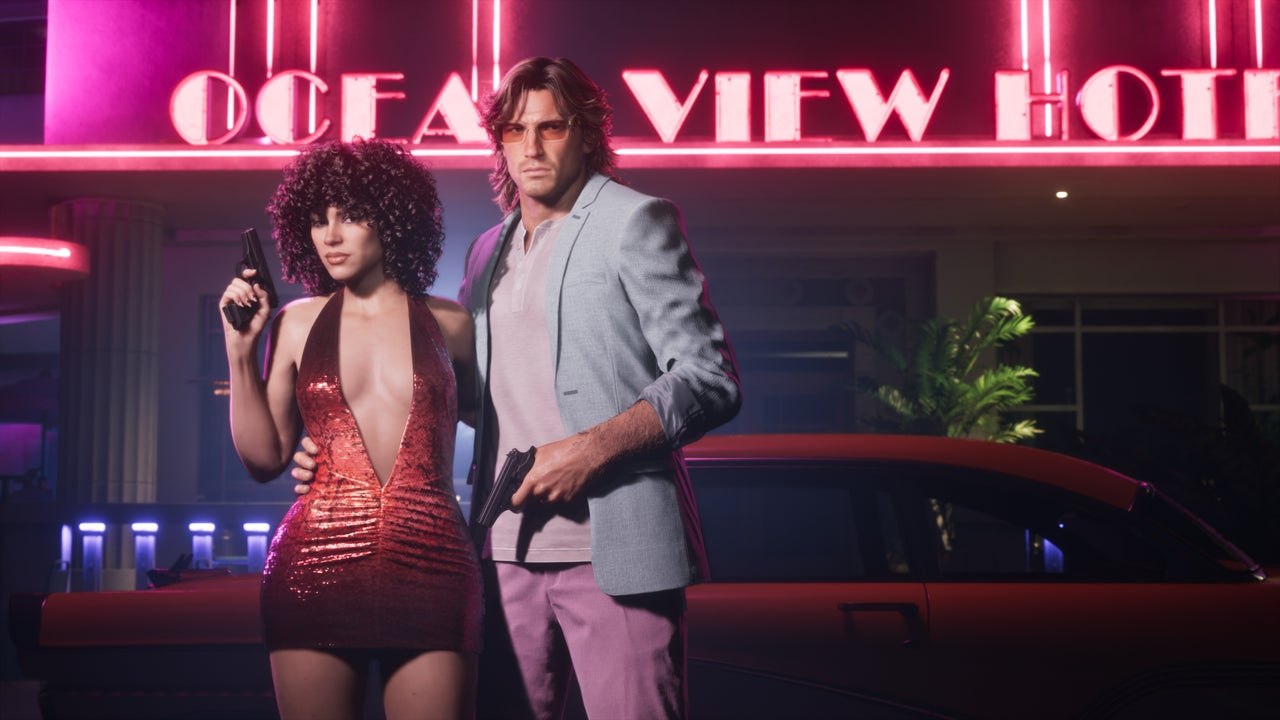
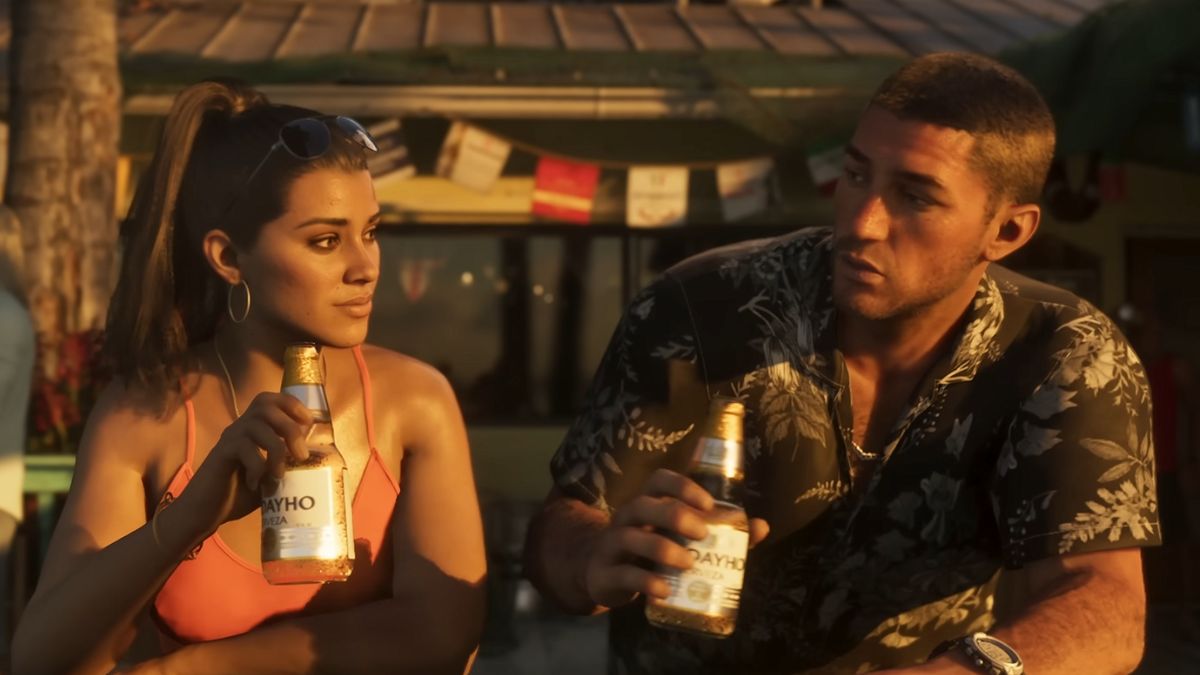
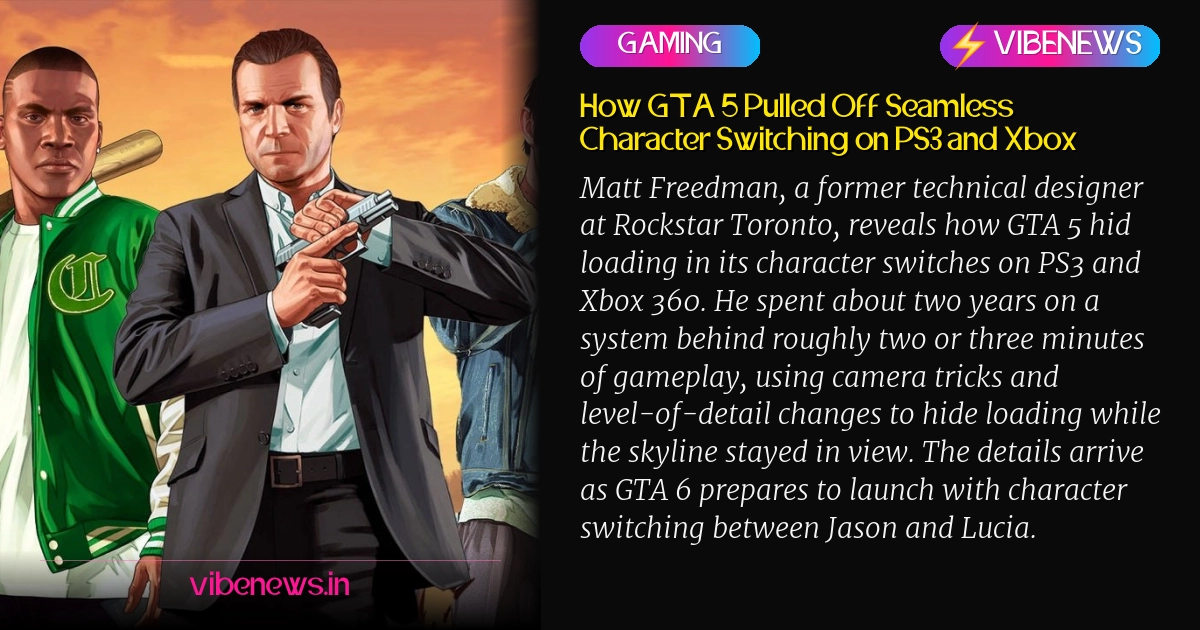
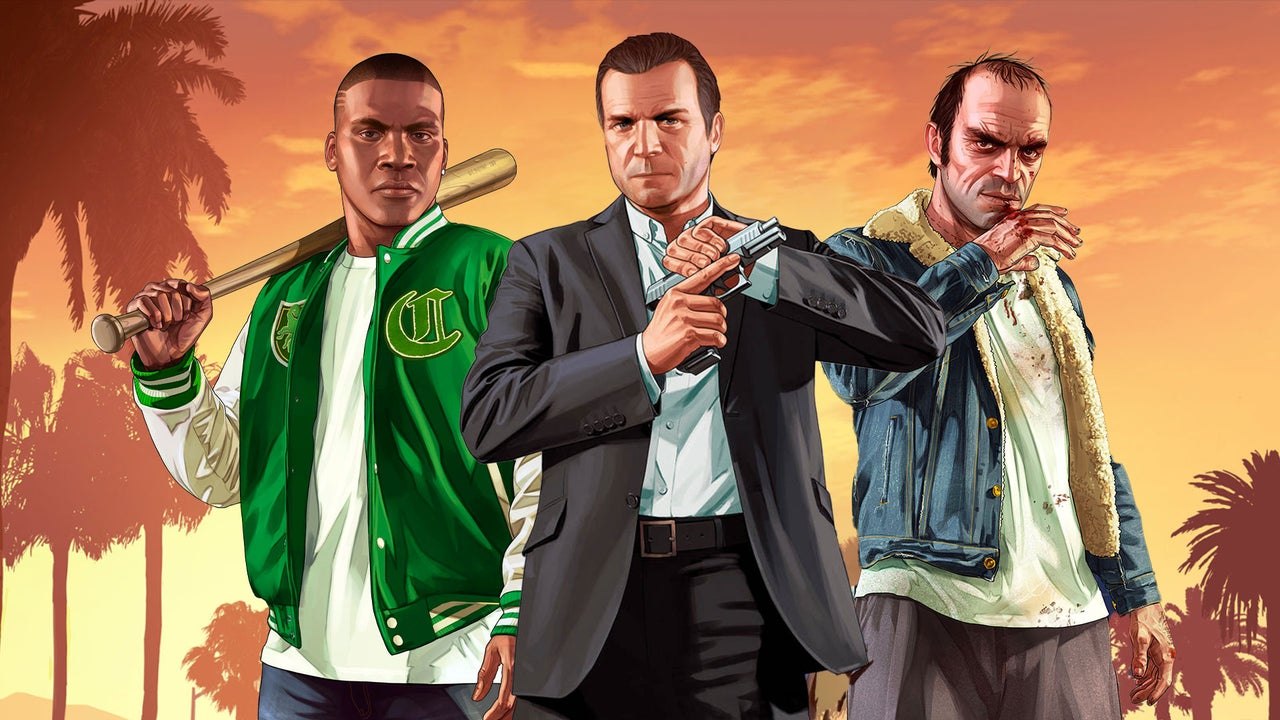
Character switching is one of the features that defines Rockstar’s approach to its open worlds, and GTA 6 is bringing it back. The trailers have already shown the player moving control between a driver and a gunner while evading police. GTA 6 features two protagonists, Jason and Lucia, and players can freely switch between them. GTA 5 had three, Franklin, Trevor and Michael.
Out in the open world, GTA 5 handled switches with a neat trick. The camera shot up into the sky for a satellite view of the city, then zoomed back down to the character the player had picked. That satellite view hid a loading screen while also showing off the scale of Los Santos. Switches during missions were a much harder problem.
Freedman says the heist missions were the toughest. Characters were sometimes placed on completely different sides of the map, and the team could not fall back on the satellite screen to mask loading. “I don’t think a lot of people noticed this because we were doing it so seamlessly,” he said.
Freedman joined Rockstar for almost nine years. He started as a level designer on Max Payne 3, moved into a technical design role on GTA 5, and later worked on game design for Red Dead Redemption 2. On GTA 5, he designed and built the switching system that allowed cinematic, dynamic switching sequences in the middle of missions.
The goal, as he describes it, was ambitious. The team wanted an NVMe-speed world transition, the sort of effect found in the portal sequence of Ratchet & Clank on a PS5 SSD, and they wanted it running on last-generation consoles. The result took enormous effort for a short stretch of play.
“I probably spent two years on what amounts to about two, maybe three minutes of actual gameplay.”
Early on, Freedman leaned on camera tricks. The switched character might start leaning against a wall, with the camera zoomed in on their hand. That gave the world around them time to load before the player took over. It worked, but it did not satisfy Rockstar’s leadership.
Those leaders wanted the city itself on screen. “I’d always get these notes saying, ‘No, no, we have to see the city skyline,’” Freedman explained. He pushed back with the technical limits. The engine could not hold two copies of the city in memory at once, and assets had to be allowed to stream in. By the end of the project, the notes were no longer suggestions. “Those weren’t recommendations; those were mandates. You had to see the city skyline.”
His solution was gradual level-of-detail changes based on distance from the player. Distant traffic was reduced to single points of light. Far-off buildings became flat and vague, and depth of field effects hid the lack of detail. Designers also made sure the switched character was always doing something interesting, so the skyline worked as a backdrop rather than the focus.
The streaming systems switched on quickly once the transition began. Freedman admitted that a player with a sniper rifle who looked far into the distance could catch things loading in. Most players never did that. “Details matter,” he said. “I was very proud of the system that we made, and the fact that it held up so well.”
Some of the hardest problems came from missions rather than streaming. In Three’s Company, the crew has to extract a terrorist suspect from the IAA building, a huge skyscraper in downtown Los Santos. Trevor flies a helicopter in, Franklin waits on a rooftop across the street with a sniper rifle, and Michael rappels down from the helicopter. The player switches between all three, and the camera has to move between them in a few seconds, with one character hanging from a rope and another flying a helicopter the player can freely control.
The helicopter caused the biggest headaches. “We had to put in so much tech to make sure that we were respecting any player’s gameplay choices because that helicopter kept screwing us because it can be upside down, it can be banking, it can be doing anything,” Freedman said. He drew a firm line on player control. “Whenever I work on something, taking away player control is never the answer. If we literally are hours away from shipping the game, I will consider it. But until then, I will put in the hours to keep that player control there.”
The camera normally moves in a straight line between two points, both in rotation and position. A helicopter that can end up at any angle broke that rule. If it was upside down, a transition could make the camera appear to flip and then drop when it should rise. Fixing that meant more custom work to keep the motion feeling correct to the player.
Freedman did not expect players to pick up on the transitions. That changed when reviews came out. One major review featured a montage of his team’s work and highlighted the slick camera moves. He and another designer had been competing over who made the best transitions. “He’s like, ‘Check out the review, five of yours and five of mine.’ And that was he was right,” Freedman recalled. “At the end, we tied. But I think that was one of my proudest moments.”
With GTA 6 hours away, Freedman’s account reinforces why Rockstar’s work on GTA 5 still gets so much attention. The switching system was not a single clever shortcut. It was a long run of small decisions about memory, level of detail, camera movement and player freedom, all made so the player never had to think about the machinery behind the cut.
TL;DR
- Matt Freedman, a former Rockstar technical designer, says GTA 5’s character switching was built to run on PS3 and Xbox 360 hardware.
- He spent about two years on a system behind roughly two or three minutes of gameplay.
- Freedman used camera tricks and gradual level-of-detail changes to hide loading while the city skyline stayed visible.
- Some heist switches moved between characters on opposite sides of the map, with no satellite screen to mask loading.
- In Three’s Company, the camera had to handle a helicopter that could fly upside down, banking or in any orientation.
- GTA 6 features Jason and Lucia, and players can freely switch between them.