Earwax has a medical name, cerumen, and it has been drawing human attention for thousands of years. The word comes from the Greek keros, meaning beeswax. Archaeological sites around the world have yielded small tools and spoon-like objects that people used to scrape it out, which tells you how long the urge to clean the ear has existed.
Today, the question still keeps many people up at night: should you remove it or leave it alone? According to doctors cited in the report, the answer is simpler than most people expect. Ears clean themselves.
Why the wax is there in the first place
Earwax is not waste that the body forgot to flush out. It keeps the inner part of the ear canal moist. It also protects against infections. Dust, dirt and other small particles get caught in it, which stops them from reaching the eardrum.
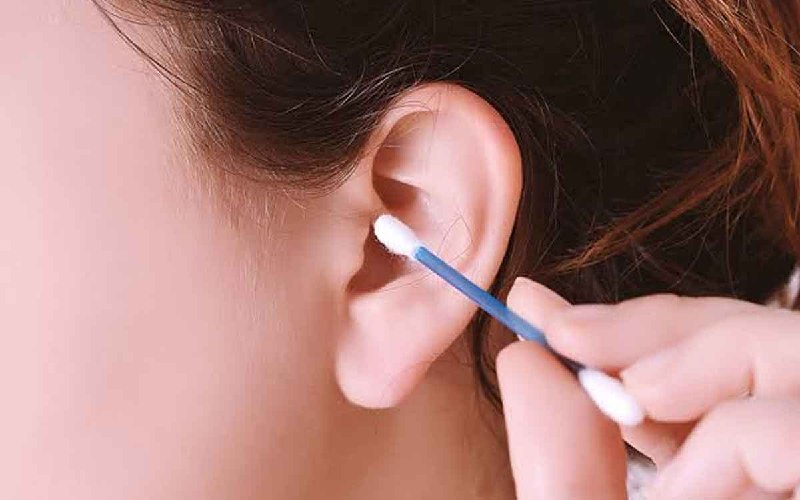
That protective role is the reason doctors warn against digging. Inserting objects into the ear to dig out wax can push it further inside. It can also injure the sensitive skin lining the canal. A habit that looks like hygiene can turn into a medical problem.
The problem is not always the wax you can see
Buildup does happen. Roughly one in five people in the American population runs into a blockage at some point, and about 12 million people visit doctors each year because of it. Earbuds and hearing aids are among the everyday items that can contribute to wax accumulating in the canal.
Children add their own risks. Some kids push small objects such as Lego pieces and rubber bits into their ears. Adults are not immune either. Insects such as ants, beetles, flies and cockroaches sometimes find their way in and get trapped.
The ant experiment that changed the question
Researchers wanted to know whether earwax works as a natural shield against insects. To test it, they coated glass containers with earwax and set ants loose on them. The results were revealing. On rough wax, the ants moved slowly but managed to climb, using the claws on their legs to grip the surface. On smooth wax, they slipped and fell almost immediately.
In a thin path coated with wax, the ants picked up wax on their bodies. Even after the insects worked hard to clean themselves for several minutes, some wax remained on parts of their bodies. The sticky result suggests that wax can trap an insect that wanders in, not just deter it.
The physics comes down to composition. Earwax contains fatty substances, which give it a slippery quality on one side and a clinging quality on the other. It is formed from layers of skin cells stuck together and contains tiny pores. On smooth wax, ants could not use the moisture-based sticky pads on their feet to hold on, because the pores soaked up that moisture.
The researchers also found that earwax can absorb water equal to twice its own weight and still stay stuck to the walls of the ear canal. Scientists think this helps keep water from pooling in the ear, which can lower the risk of infection. That idea is still a hypothesis, not settled science.
What we still do not know
The bacteria question remains open. Some studies say earwax kills bacteria. Others say it contains bacteria. The relationship between wax, water and bacteria is not fully understood, and anyone who wants a firm answer will have to wait for more research.
There is also a practical limit on what this discovery means for everyday life. Collecting natural earwax and producing artificial versions that mimic it are both expensive. The researchers themselves said that these findings are unlikely to replace insect control products on a large scale. They did note that the work could eventually help scientists develop safer insect control methods in the future.
Ears naturally clean themselves.
How the ear actually cleans itself
Two natural processes keep wax from building up. The skin of the ear canal moves outward in a way that resembles a conveyor belt, carrying old wax toward the opening where it can be pushed out. That process takes about 8 to 10 weeks.
Over time, wax also loses moisture and hardens. Movements inside the canal caused by talking and chewing help loosen that old wax so it can work its way out. Your body is already running a cleaning system, and it does not need a cotton bud to join in.
So the practical takeaway is less dramatic than the rows of cotton buds in the bathroom cabinet might suggest. Leave the wax alone unless a doctor advises otherwise. If you notice a blockage, the sensible step is to see a medical professional rather than reaching for an object that could make the problem worse.
TL;DR
- Doctors say ears clean themselves, and earwax does important protective work.
- Wax keeps the ear canal moist, guards against infection and traps dust before it reaches the eardrum.
- Pushing objects into the ear can drive wax deeper and injure delicate skin lining the canal.
- About one in five Americans faces a wax blockage, and roughly 12 million people see doctors for it each year.
- Researchers found that earwax traps crawling ants, with smooth wax making climbing nearly impossible.
- Scientists remain unsure how earwax interacts with bacteria, and artificial versions are costly to produce.