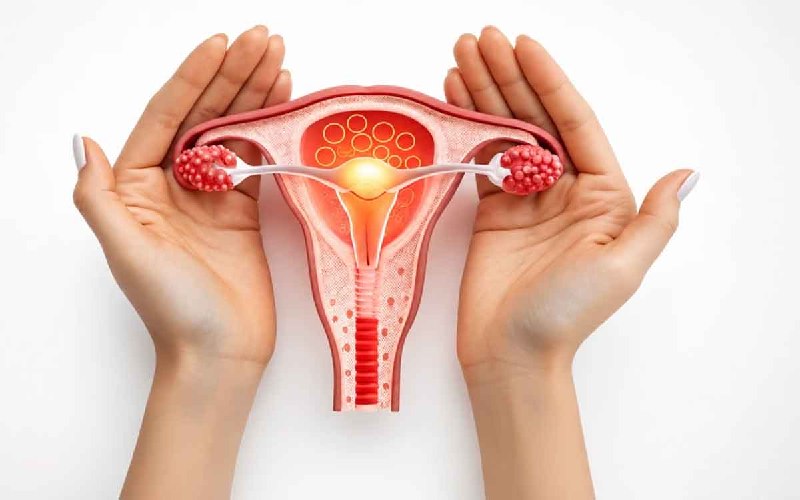
Insulin resistance is one of the main reasons women develop polycystic ovary syndrome, or PCOS, according to nutrition experts who want readers to understand that the condition goes far beyond irregular periods. The hormonal disorder can affect the menstrual cycle, skin, hair and body weight, and it shows up differently from one woman to another.
What goes wrong inside the body
PCOS begins with an imbalance in hormones. Experts explain that when the body does not respond properly to insulin, the hormone balance shifts. That shift leads to a rise in androgen levels, which are commonly called male hormones.
Women also produce androgens naturally, but only in a smaller amount. When levels climb above that natural range, the effects become visible on the body. This is the point where many women begin to notice changes they cannot easily explain.
The two processes feed each other. Insulin resistance and rising androgen levels are closely connected. Because they are linked, PCOS symptoms do not look the same in every person, and one woman may experience a very different pattern from another.
The symptoms women should not dismiss
When androgen levels are high, women may notice unwanted hair growth on the face or body. Acne is another common sign, and so is hair thinning or heavy hair loss. These changes can appear on their own, which is one reason they are easy to put down to stress, diet or ageing.
Irregular periods are also a key warning sign. The same hormonal shift that drives skin and hair changes can interfere with ovulation, the process in which an egg is released from the ovary. When that process is disrupted, the menstrual cycle becomes unpredictable.
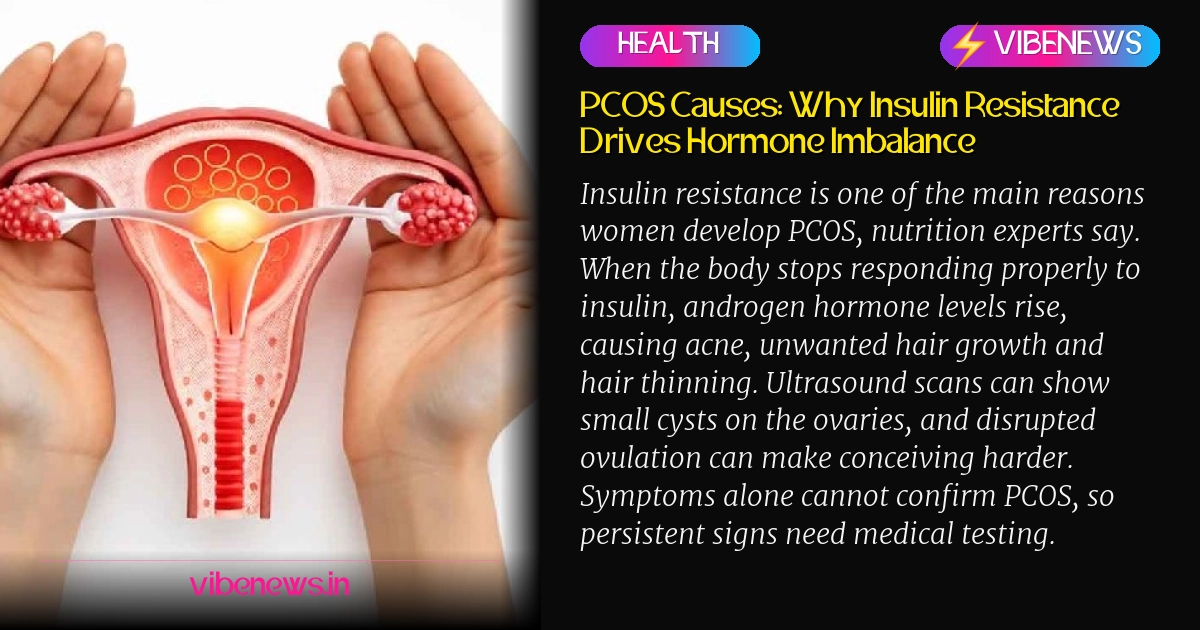
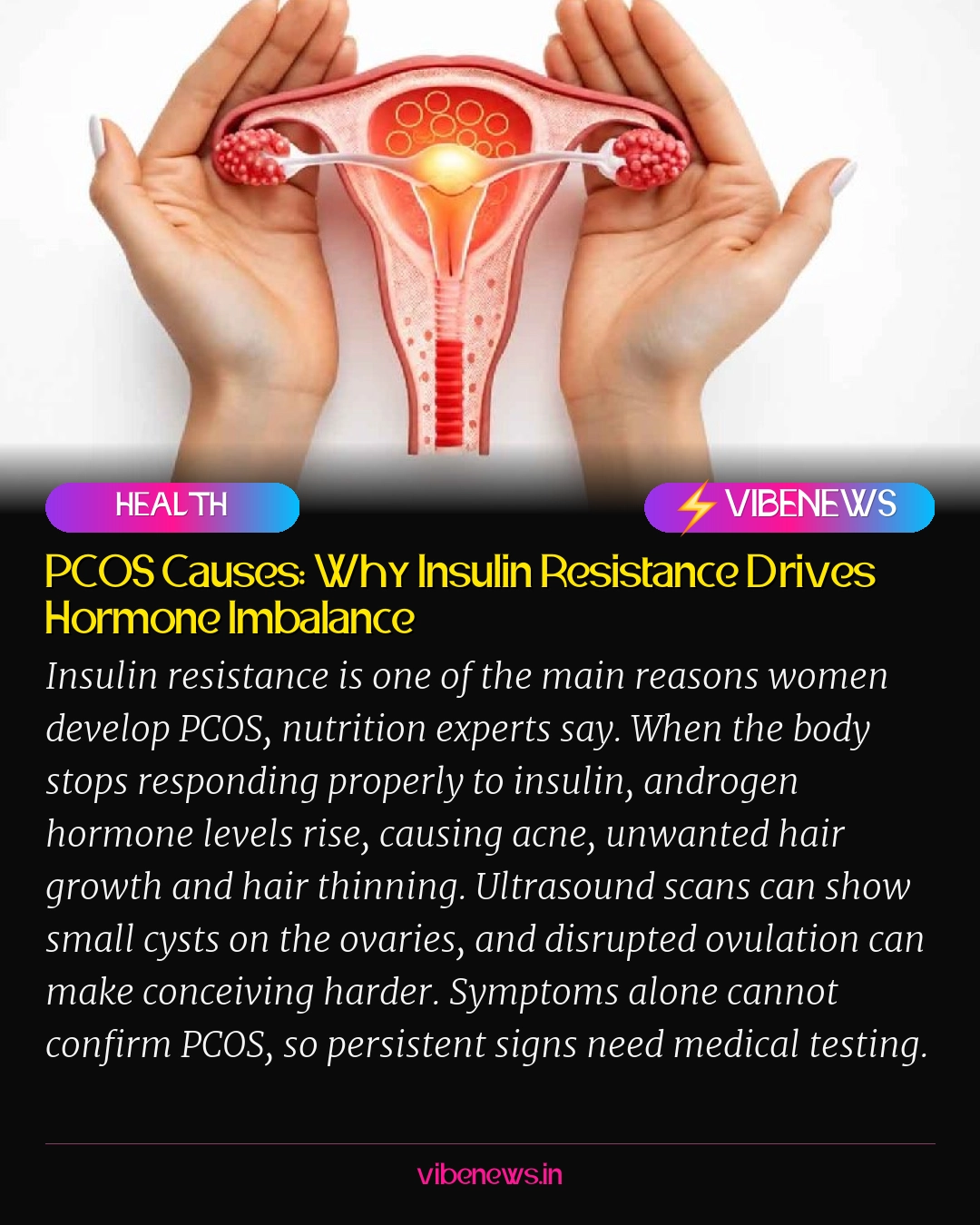
Experts say an ultrasound test can reveal small cysts in the ovaries. Seeing those cysts on a scan is one of the findings that helps doctors understand what is happening inside the body. It is not, however, the only piece of the picture.
Why this is not only a period problem
Nutrition experts put the core message plainly.
PCOS is not just a menstrual problem. Insulin resistance and rising androgen levels can change the menstrual cycle, egg release, skin, hair growth and body weight.
That wider reach is exactly what makes the condition easy to underestimate. A woman may first notice acne, a missed period or new hair growth and not connect the three. Each symptom can seem minor when viewed alone.
The impact spreads across several areas of the body at once. Experts point to the menstrual cycle, the release of eggs, the skin, hair growth and weight as areas where the condition can make itself felt. Because the effects differ from person to person, there is no single checklist that fits everyone.
The fertility question
For many women, pregnancy is where the questions become urgent. Because PCOS can disrupt the process of egg release, it can make conceiving more difficult. Experts are careful on this point, however. Having the condition does not mean a woman will be unable to have children. How PCOS affects fertility depends on the individual.
That distinction matters. A diagnosis can feel frightening, especially for women who are planning a family. The guidance from experts is to understand the cause of symptoms, rather than assuming the worst outcome.
When to see a doctor
The guidance is direct. If irregular periods, frequent acne, unwanted hair growth or hair loss keep showing up, women should speak with a doctor. Waiting until symptoms become severe is not necessary, and experts encourage women to act once a pattern persists.
Symptoms alone cannot confirm PCOS. A woman can have some of these signs without having the condition, so diagnosis depends on proper medical tests. Those tests help a doctor identify the problem and separate it from other possible causes.
Timing also matters. Experts say getting tests done at the right time helps doctors understand what is driving the symptoms. That understanding then shapes the management options a woman can consider, which is why early attention can make a difference.
Reading the signals early
The practical advice from nutrition specialists is simple. Pay attention to changes in the body and do not ignore them when they repeat. Keep track of menstrual patterns, notice shifts in skin and hair, and be aware of changes in weight, since all of these areas can be affected.
Women who feel that something is off should bring those observations to a doctor. Clear notes about cycle timing, acne, hair growth and hair loss can help a clinician understand the pattern more quickly. The goal is not to panic, but to get the right testing and a clear explanation.
The bottom line for readers. PCOS is rooted in hormone imbalance, with insulin resistance and rising androgen levels playing central roles. Its signs can look unrelated, but they often share the same cause. Recognising the pattern early is the first step toward finding out what is happening and what can be done about it.
TL;DR
- Nutrition experts say insulin resistance is one of the main causes of PCOS in women.
- When the body does not respond properly to insulin, androgen hormone levels rise.
- Unwanted facial or body hair, acne, hair thinning and hair loss are common warning signs.
- Irregular periods can occur because hormone shifts disrupt ovulation.
- Ultrasound tests can show small cysts in the ovaries, but symptoms alone cannot confirm PCOS.
- Women with persistent symptoms should consult a doctor for proper medical testing.