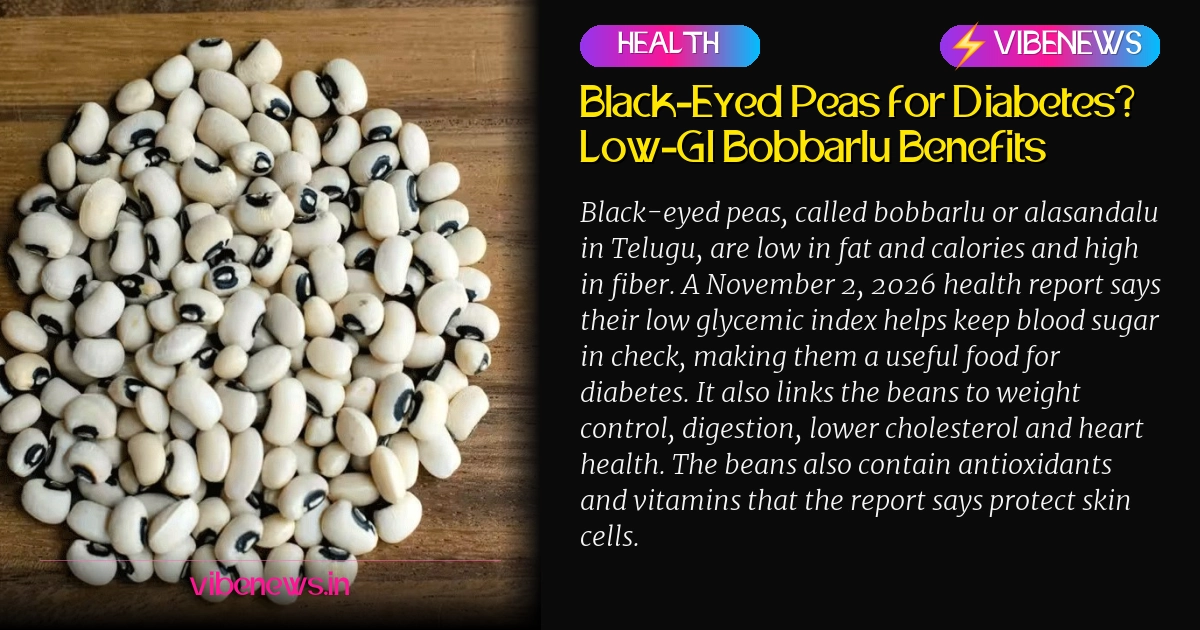
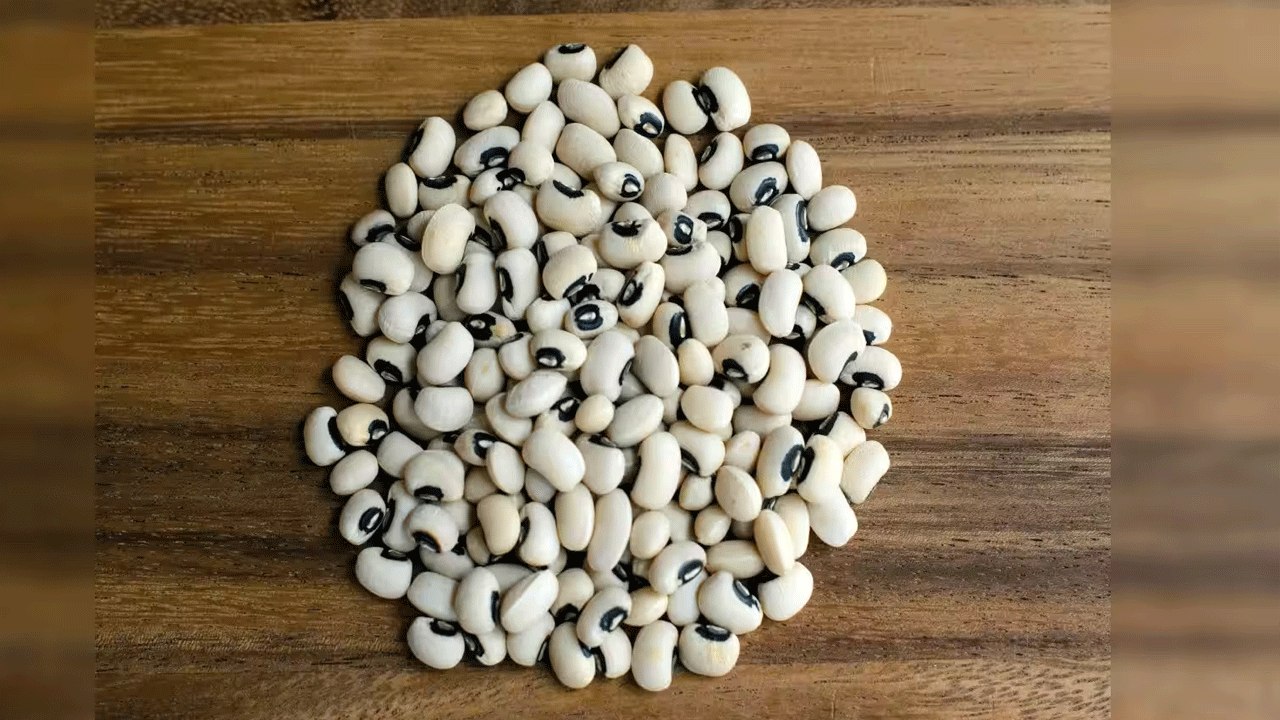
Black-eyed peas, known in Telugu as bobbarlu or alasandalu, can help people manage blood sugar, according to a Telugu-language health report published on November 2, 2026. The beans are low in fat and calories and high in fiber, and the report says their low glycemic index makes them a practical choice for people living with diabetes.
For anyone searching for natural, food-based ways to support blood sugar control, the message is direct. Adding these beans to regular meals is presented as a simple dietary step, not a replacement for medical care.
Why the glycemic index matters here. The report specifically highlights the low glycemic index of bobbarlu. Foods with a low glycemic index are generally digested more slowly, and the source says these beans help keep blood sugar levels under control. That is the single most important point for diabetics, and it is the reason the beans are described as especially healthy for people with the condition.
The article also frames the beans as a food for weight management. People struggling with excess weight are told that bobbarlu is a useful part of the diet because it is low in both calories and fat. Its high fiber content plays a central role here, according to the report, since fiber is credited with a major part in reducing body weight.
Black-eyed peas help keep blood sugar levels under control.
Heart health and cholesterol. The report says bobbarlu lowers cholesterol levels in the blood, which in turn protects the body from heart-related diseases. It points to flavonoids, minerals, potassium and magnesium in the beans as contributors to heart health. For readers already watching their cholesterol or cardiovascular risk, that combination is the core takeaway.
Digestion gets a boost. The fiber in black-eyed peas is also linked to digestive health. According to the source, it helps prevent digestive problems, stops constipation and improves digestion overall. Fiber-rich foods are often recommended for gut health, and this report places bobbarlu firmly in that group.
Antioxidants, vitamins and protection from toxins. The beans are described as rich in antioxidants and vitamins. The report says that eating them as food can help the body avoid certain diseases that arise from nutritional deficiency. It also claims the beans help guard against harmful toxins and prevent the spread of viruses in the body. These claims appear in the source as general health benefits, and readers should treat them as reported claims rather than established medical findings.
Skin benefits. The article also points to skin health. It says the high protein content of bobbarlu keeps the skin healthy and helps open skin pores. The antioxidants and vitamins A and C in the beans are described as protecting skin cells. Beauty-focused readers will find this section one of the more eye-catching parts of the report.
What makes the piece stand out for Telugu-speaking households is the name itself. Bobbarlu is also called alasandalu, and the report is written for readers who already know these beans as part of everyday cooking. That familiarity may make the advice easier to act on than a list of unfamiliar superfoods.
The report does not give portion sizes, cooking methods or specific guidance for people already on diabetes medication. Anyone managing diabetes should still speak with a doctor or dietitian before making major changes to their diet. Within those limits, the story offers a clear and simple message: a humble pulse that many people already eat may deserve a regular place on the plate.
The key facts are straightforward. Bobbarlu is low in fat and calories, high in fiber, and has a low glycemic index. It is linked to better blood sugar control, weight management, lower cholesterol, improved digestion, heart protection and healthier skin. Each of those claims comes from the same health report, and together they make a compelling case for putting black-eyed peas on the menu more often.
TL;DR
- Black-eyed peas, known in Telugu as bobbarlu or alasandalu, are low in fat and calories and high in fiber.
- The report says their low glycemic index helps keep blood sugar levels under control.
- Bobbarlu is linked to weight management because of its low calorie, low fat and high fiber content.
- The beans are said to lower blood cholesterol and support heart health through flavonoids, potassium and magnesium.
- High fiber helps prevent constipation and improves digestion, according to the report.
- The source also credits the beans’ protein, antioxidants and vitamins A and C with supporting healthy skin.