Adults over 40 or 50 do not need to give up mutton, chicken or fish entirely, according to health experts. What matters more than age is what kind of meat ends up on the plate, how much of it gets eaten, and how it is cooked.
The advice pushes back on a common belief that meat becomes dangerous once a person crosses a certain birthday. Many people are told to cut back or stop eating meat altogether after 40 or 50. The guidance behind this report suggests that blanket rule is too simple.
Why Age Still Changes the Equation
Age does bring physical changes. Metabolism, muscle capacity and digestion can shift as the body gets older, which is why experts say food choices deserve more attention in midlife and beyond. The message is not panic. It is precision.
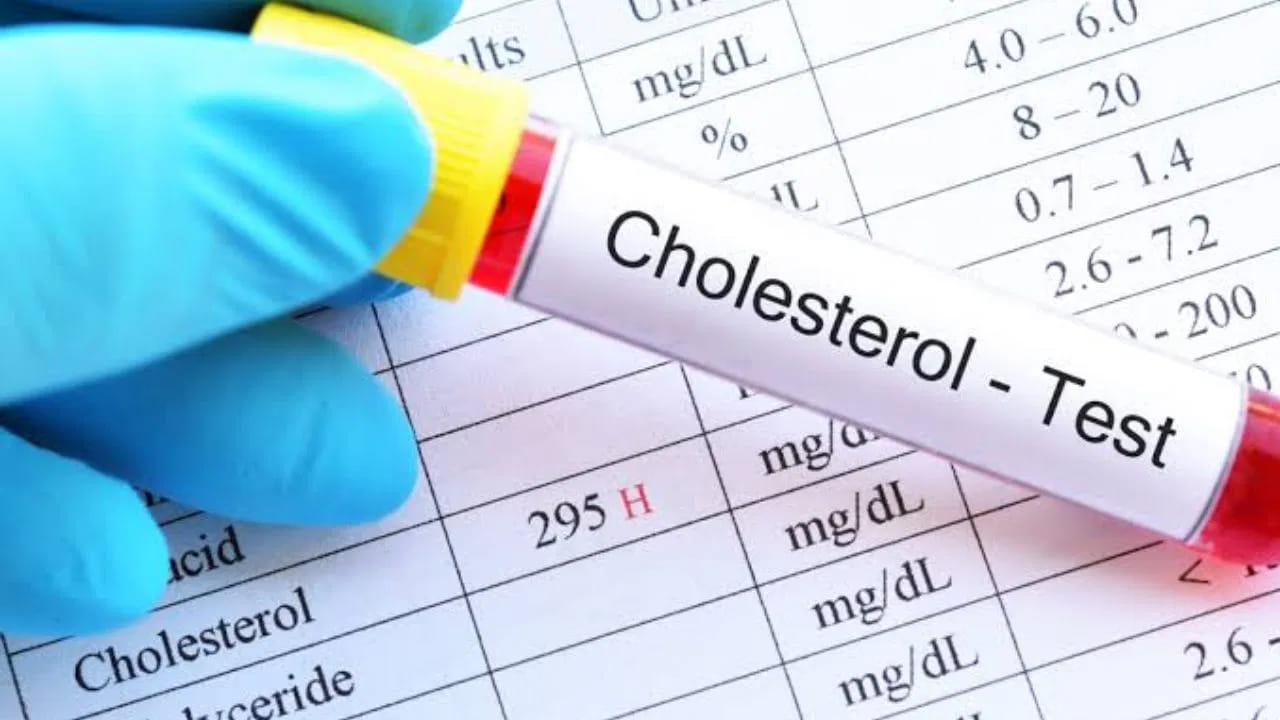
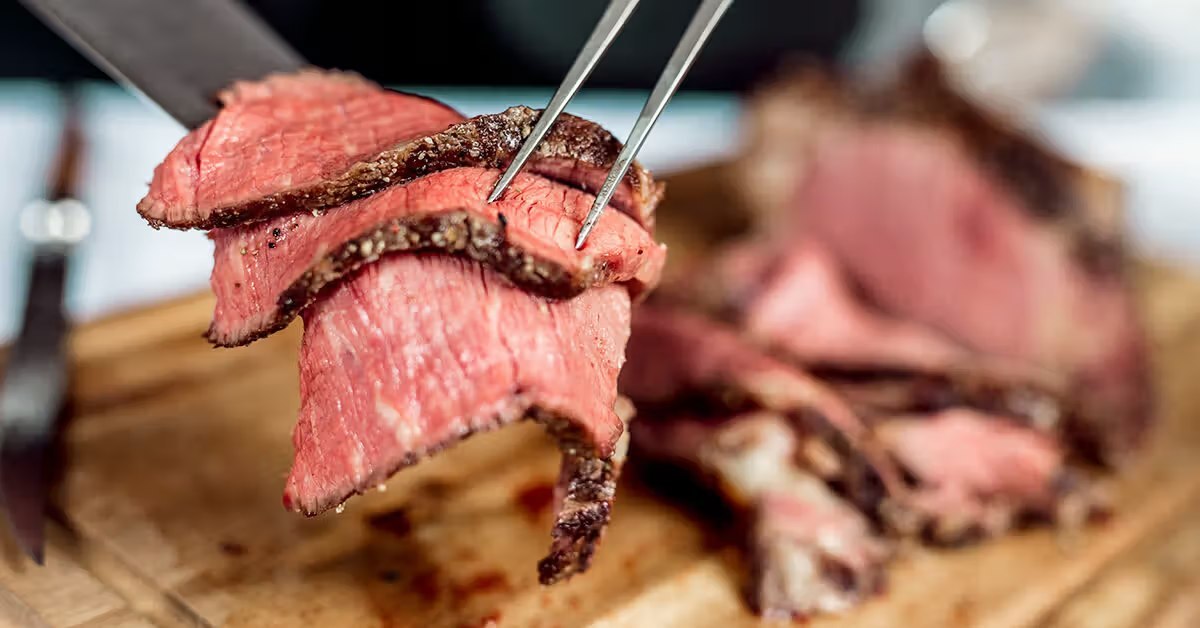
Red meat and processed meat sit at the center of the concern. Mutton and beef are the red meats flagged here. Eating them often and in large amounts is not considered good for health. Processed meats such as sausages and bacon tend to carry high levels of salt and fat, and frequent intake of them is linked to a higher risk of heart disease and high cholesterol.
Research also points to a link between high intake of red and processed meat and colorectal cancer risk. For some people, heavy meat eating can also make uric acid problems worse. None of this means a steak once a month will harm a healthy adult. It means the habit matters more than the birthday.
Age alone does not mean meat must be given up completely. The real impact depends on the type of meat, the quantity and the cooking method.
What Changes When Meat Intake Drops
Experts recommend reducing red and processed meat and replacing it with fruits, leafy greens, other vegetables, pulses and whole grains. That swap does more than cut out risky foods. It adds fiber, which supports digestion and can ease constipation, a common complaint as people age.
A balanced diet built this way also helps with weight, blood pressure and cholesterol control. Still, cutting meat is not a cure-all. Giving up meat does not erase every health problem, and people who drop it still need to pay attention to what they eat instead.
Getting Enough Protein Without Meat
Protein becomes especially important for older adults who want to protect muscle strength. People who choose to cut out meat entirely need to make sure their diet still delivers enough of it. Useful sources named in the guidance include lentils, chickpeas, kidney beans, soybeans, tofu, milk, curd and paneer.
Two nutrients deserve a close look. Vitamin B12 and iron need to be adequate, and fully vegetarian or vegan eaters face a higher chance of B12 deficiency. Anyone in that group should consider tests and supplements, but only with a doctor’s advice. Guessing at supplements can cause its own problems.
If You Keep Eating Meat
People who want to keep eating meat do not have to quit. They do need to set limits. The guidance says mutton and processed meat should be restricted. Fish and skinless chicken can be eaten in suitable portions as alternatives.
Cooking method matters too. Boiling, grilling or roasting with less oil and less salt is recommended over heavy frying and heavy seasoning. A simple change in the kitchen can make a meaningful difference over months and years.
Diet Is One Piece of the Puzzle
Experts stress that food is only part of the picture. A balanced diet, regular exercise and enough sleep work together to protect health. Someone who eats carefully but ignores movement and rest is not fully protected, and the reverse is also true.
The overall message is that a birthday alone is not a reason to swear off meat. Quantity, type, preparation and the rest of the daily routine decide the outcome.
Who Should Talk to a Doctor First
People already living with heart disease, high cholesterol or uric acid problems need a more specific plan. The guidance is clear that they should build their diet with a doctor or a nutritionist, tailored to their own health condition, rather than follow general rules from articles or social media.
Making big changes to eating habits without expert input can backfire. A professional can check blood markers, weigh medical history and set realistic portions and swaps.
Note: This report is meant for general health awareness only. It is not a substitute for medical advice. Consult a qualified doctor before making major changes to your diet.
TL;DR
- Experts say adults over 40 or 50 do not need to give up meat entirely.
- Red meat and processed meat carry the biggest health concerns with age.
- Frequent processed meat intake is linked to heart disease and high cholesterol risk.
- High red and processed meat intake is linked to colorectal cancer risk in research.
- Lentils, chickpeas, tofu, soybeans and dairy can supply protein for vegetarians.
- Vitamin B12 and iron levels matter, especially for vegetarians and vegans.
- Heart disease, cholesterol or uric acid patients should plan diets with a doctor.