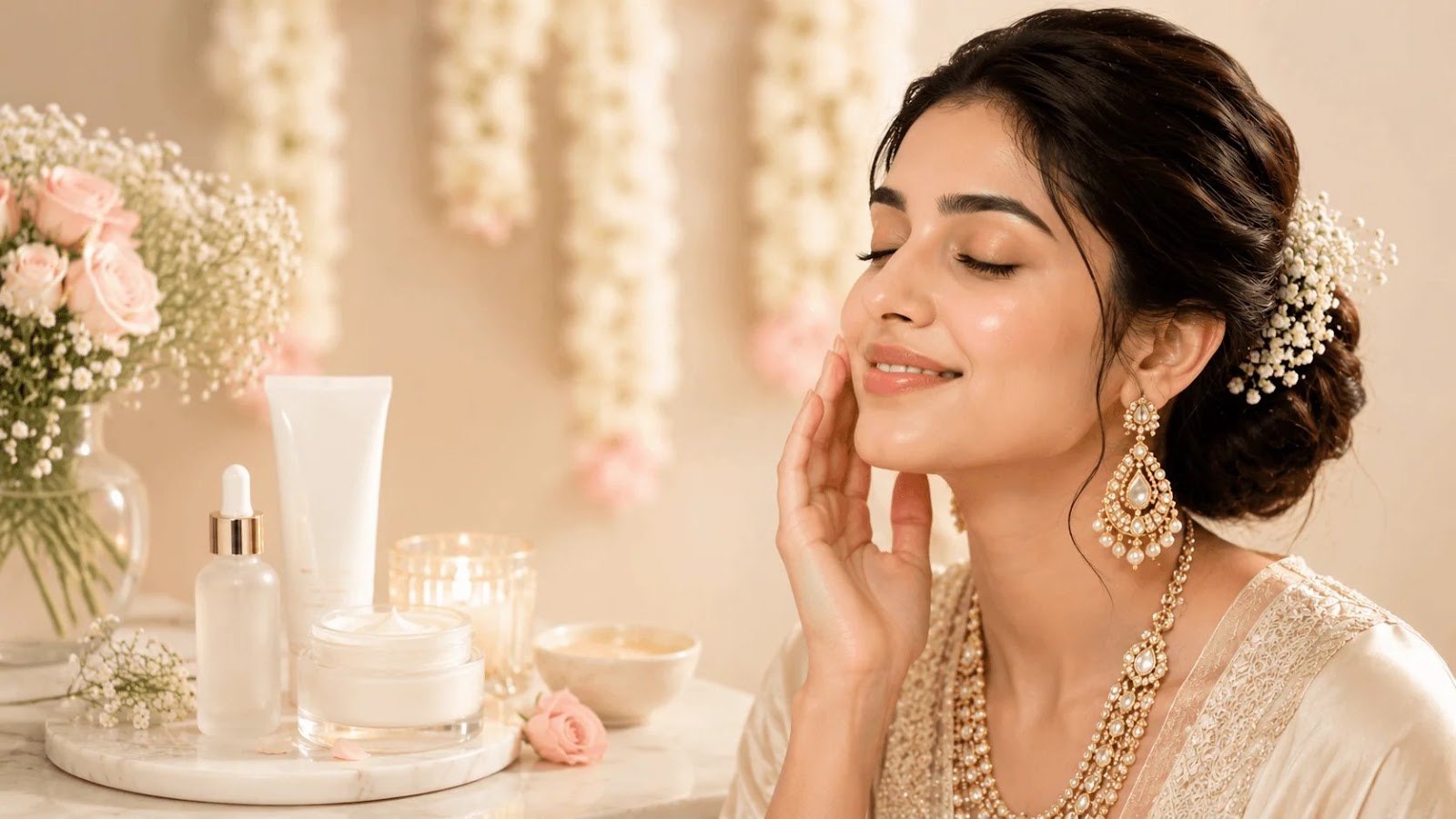
A home-made face mask built on flaxseed and aparajita flowers is being promoted as a way to get a tighter, brighter complexion before Diwali, without paying for a parlour facial. The recipe uses ingredients the guide says are already in the kitchen, and the process comes down to one boil, one strain and one 20-minute wait.
With the festival only days away and cleaning and shopping eating up most of the day, the appeal is obvious. The guide frames parlour facials as expensive and chemical-heavy, and positions this gel as the gentler option for anyone who wants skin that looks fresh and lively for the celebrations.
Why flaxseed is getting the attention
Flaxseed is the star of the mask. The guide describes it as a natural botox or plant collagen, saying it helps increase skin firmness. It also says flaxseed is rich in omega-3 fatty acids, which the guide credits with repairing skin cells.
Flaxseed is often called natural botox or plant collagen, and it is said to increase the tightness of the skin.
The aparajita flower is the second half of the formula. The guide says the blue flowers are full of antioxidants and give the face a natural glow. It adds that the flowers help skin take on a natural pinkish tone, which is why the finished gel is worth the small effort.
What goes into the gel
The recipe calls for 2 tablespoons of flaxseed seeds and 6 to 8 aparajita flowers, either fresh or dried. It needs 1 to 1.5 cups of water for boiling. Once the gel is ready, it is finished with 1 teaspoon of aloe vera gel, which the guide says gives it a smooth texture, and a few drops of rose water.
Nothing in the list is exotic. Aloe vera and rose water are added after cooking, so the mask goes on the skin in a cool, smooth form rather than hot.
The boil that sets the texture
Start by putting 1.5 cups of water in a pan. Add the flaxseed and the aparajita flowers. Keep the flame at medium and boil for 7 to 8 minutes. The guide says to stop when the mixture thickens and starts to look like a transparent gel.
The timing matters more than the ingredients. Stop the boil too late and the mixture can overcook; stop it too early and the gel will not have the right body. The guide is specific about the cue: watch for the water to thicken into a clear, jelly-like look.
The straining trick that most people miss
This is the step the guide flags as critical. Turn off the gas and strain the mixture straight away, while it is still warm and slightly loose. Pour it through a clean cotton cloth or a sieve, squeezing the cloth well to pull out the gel.
The warning is clear. Once the gel cools, it turns very thick and becomes hard to strain. If you wait, you are likely to end up with a lumpy mask and a lot of wasted effort. Do the straining while the mixture is still gently warm.
The finishing touch
The strained gel will have a blue-purple tint. Transfer it to a separate bowl and mix in 1 teaspoon of aloe vera gel and a few drops of rose water. Whisk until the blend is even. The guide says this is the point when the mask is ready to use.
How to apply and rinse
Clean your face thoroughly before applying. Use a brush or your fingers to spread the gel evenly across the face and neck. The guide says to cover both areas so the mask does not stop at the jawline.
Leave it on for 20 minutes. Then rinse with fresh water. Finish with a light moisturiser, which the guide recommends to lock in the result.
The routine is simple enough to repeat during the festive run-up, but the guide does not give a schedule for how often to use it. Keep the steps consistent and judge the result by how your skin feels afterwards.
What to keep in mind before you start
Read the instructions fully before you boil anything. The window for straining is short, and the gel sets quickly once it cools. Keep a clean cloth and a bowl ready before you turn on the stove.
The guide describes this as a home alternative to parlour facials, not a medical treatment. Its promises are about feel and appearance: tighter-looking skin and a natural glow. Treat it as a pre-festival pampering routine and keep your expectations in line with that.
For a festive week packed with cleaning, shopping and late nights, the mask offers a single, low-cost ritual that fits between chores. The ingredients are familiar, the steps are short, and the payoff the guide describes is a fresher face for the celebrations.
TL;DR
- Flaxseed and aparajita flower gel mask is being promoted as a home alternative to parlour facials before Diwali.
- The recipe uses flaxseed, aparajita flowers, water, aloe vera gel and rose water.
- Boil the seeds and flowers for 7 to 8 minutes until the mixture turns into a transparent gel.
- Strain the mixture while it is still warm, because it becomes hard to strain once cooled.
- Apply the gel to the face and neck, leave it for 20 minutes, then rinse with fresh water.
- Finish with a light moisturiser to lock in the glow.