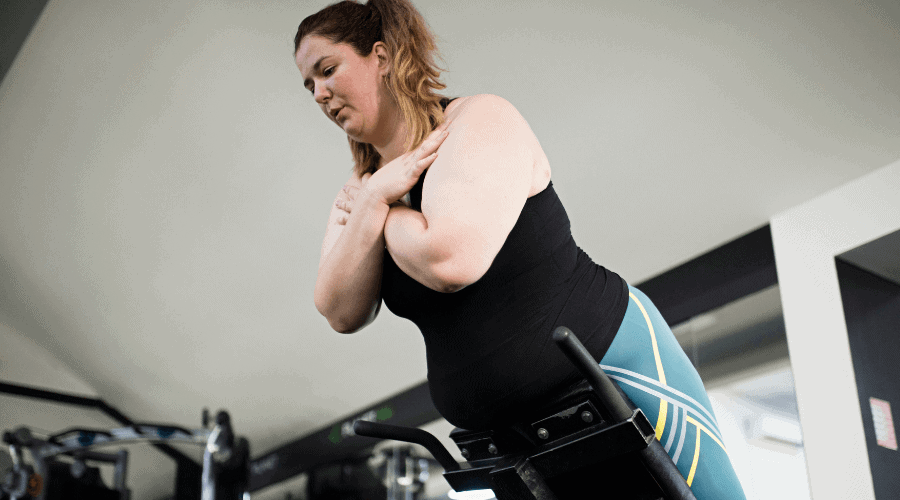
Health alerts linking everyday habits to serious diseases like breast cancer always make me reflect on how small, consistent choices can shape long-term outcomes—this weight connection is particularly striking because it's one of the few risks women can actively reduce. Studies consistently show that overweight or obese women, particularly after menopause, face a 20-30% elevated risk: adipose tissue acts like an endocrine organ, producing extra estrogen that fuels hormone-receptor-positive tumors, while obesity triggers persistent low-grade inflammation and insulin resistance, both creating environments where cells mutate more easily. Pre-menopause, higher fat might offer slight dilution of estrogen providing minor buffer, but that advantage disappears later in life.
With the global obesity epidemic accelerating—India experiencing sharp urban increases alongside dietary shifts to processed foods and sedentary lifestyles—breast cancer incidence follows suit, burdening healthcare systems and families. The truly empowering aspect is prevention potential: even moderate sustained weight loss, combined with nutrition emphasizing fruits, vegetables, whole grains, lean proteins, and limiting processed foods and sugars, paired with 150 minutes weekly moderate activity like brisk walking or strength training, can slash risk 30-40%.
Cutting alcohol intake and avoiding tobacco amplify protection further. Routine mammograms starting at 40, or earlier for high-risk groups with family history, enable early detection transforming outcomes from late-stage struggles to high survival rates. In my view, cultural pressures around body image and festive feasting often complicate adoption in India, but knowledge truly empowers—real stories of women reversing risks through lifestyle inspire hope across communities. Encouraging to see studies confirm modest changes yield big dividends; hoping broader campaigns normalize proactive habits, saving countless lives in this rising epidemic while complementing genetic screening advances and equitable access to care.
TL;DR
- Excess body weight increases breast cancer risk by 20-30% in obese women compared to normal BMI individuals, with the effect most pronounced after menopause due to elevated estrogen levels from fat tissue stimulating tumor growth.
- Fat tissue produces additional estrogen beyond ovarian production, directly fueling hormone-receptor-positive breast tumors that dominate postmenopausal cases.
- Obesity induces chronic low-grade inflammation throughout the body, creating conditions favorable for cancerous cell development and spread in breast tissue.
- Insulin resistance commonly associated with higher weight elevates circulating growth factors that encourage tumor proliferation and progression.
- Pre-menopausal overweight may provide slight protective effect through estrogen dilution in larger fat stores, but risk significantly rises after menopause when ovarian production drops.
- Global rising obesity rates directly correlate with increasing breast cancer incidence across diverse populations and socioeconomic groups worldwide.
- Sustained weight loss and healthy lifestyle changes can reduce this modifiable risk factor by up to 40% according to comprehensive long-term studies.
- Regular physical activity combined with plant-rich balanced diet forms the cornerstone of effective prevention strategies against obesity-related cancers.
- Limiting alcohol consumption and completely avoiding tobacco use further substantially lower overall cancer probabilities and related complications.
- Routine screening mammograms starting at age 40 or earlier for high-risk groups enable early detection and significantly better survival outcomes.