Cyclone Murasu, a severe cyclonic storm named after a traditional Tamil percussion instrument, is advancing toward the Indian coast over the Bay of Bengal as of November 2, 2026. The storm has picked up a name that carries centuries of Tamil cultural history, and it is now the subject of weather warnings across the region.
The name was suggested by the Regional Meteorological Centre (RMC), Chennai, and it was taken from the second list of names for tropical cyclones over the north Indian Ocean. That list was prepared by a panel of the World Meteorological Organisation (WMO). The instrument that lent its name to the storm is the ‘Murasu’, a drum that has long been part of Tamil musical tradition.
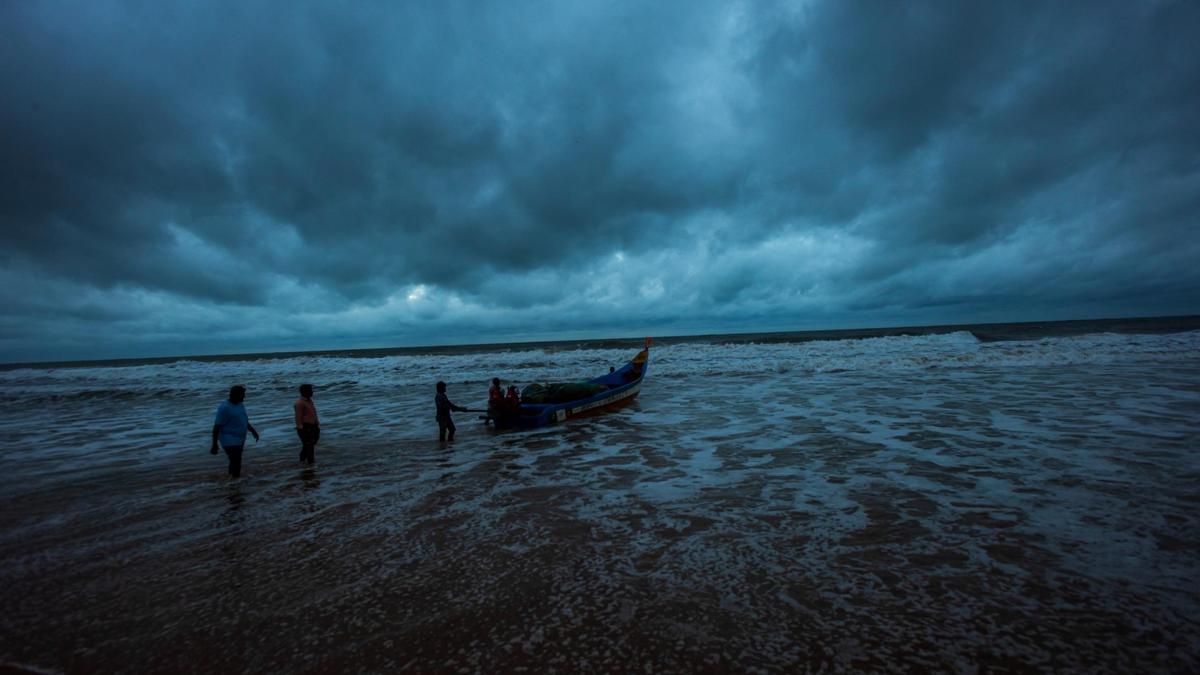
On the ground, the effects are already visible. Fishermen in Andhra Pradesh were bringing their boats ashore as the sea turned rough with rising waves. In Chennai, several parts of the city witnessed continuous drizzle on November 2 as the cyclone intensified over the Bay of Bengal.
Why a drum? The answer lies in what the instrument was used for. S. Balachandran, a former additional director general of meteorology who was heading the RMC when the names were proposed, explained the reasoning behind the choice. ‘We suggested names related to ocean, fish, coastal areas and communication,’ he said. ‘Murasu’ was picked because the percussion instrument was historically used to pass on information and warn people about natural disasters. It also denoted a thunderous sound.
“‘Murasu’ was proposed because the percussion instrument was used to disseminate information during the ancient period and to alert people about natural disasters.”
That sense of purpose is what made the name stand out. A drum that once carried warnings across communities now carries a warning of a different kind, this time delivered through satellite data, forecast bulletins and coastal alerts. Balachandran’s explanation links the modern forecasting system to an older form of public communication, which is why the choice has drawn attention beyond meteorology circles.
A first for Tamil names. According to Balachandran, ‘Murasu’ is the first Tamil name to be assigned to a tropical cyclone since the naming of cyclones over the north Indian Ocean began in September 2004. That gap of more than two decades makes the name a notable milestone for the region’s meteorological history, and for Tamil Nadu in particular, since the RMC in Chennai made the suggestion.
The process behind the naming is more involved than many people would expect. The Regional Specialised Meteorological Centre for Tropical Cyclones over North Indian Ocean, based in New Delhi, sought fresh names from various coastal States in 2020. The request went out after the names in the first list had been used up. Coastal States that took part included Odisha and Andhra Pradesh.
The names chosen were not picked at random. They had to meet several criteria, including ease of pronunciation, a maximum length of eight letters, and neutrality. Meteorologists said the names should be easy for people across the region to say and remember, which matters when a warning has to travel quickly to fishing villages and coastal towns.
Where Murasu fits in the list. Meteorologists noted that Murasu is the third name after ‘Gati’ and ‘Tej’ to appear in the list of 13 names suggested by India to the WMO and the United Nations Economic and Social Commission for Asia and the Pacific panel. Twelve other countries contributed to the list. The panel meets once every three years.
The panel has grown over time. Initially, the names came from eight member countries. For the second list of cyclone names, five more countries joined, including the United Arab Emirates and Yemen. That expansion reflects how many nations border the north Indian Ocean and how often their coasts are hit by storms that form over its waters.
The names that didn’t make it. Puviarasan, Head of the Meteorological Centre in Bengaluru, who was posted at the RMC in Chennai at the time, recalled that the centre had put forward several other Tamil names. These included Thirukai, Kalappai, Yer and Naavai, all related to the ocean, fishing and agriculture. None of them made it onto the final list. Neer is another word that did find its way into the list of cyclone names, he said.
Those rejected names show how narrow the selection process was. Each suggestion had to pass the tests of pronunciation, length and neutrality, and only a small number of names from each country could be accepted. For Tamil speakers, Murasu is the one that made it through, and that outcome is likely to keep the name in public conversation for some time.
What comes next for public understanding. Even with the name now in the headlines, meteorologists have raised a practical concern. While the pronunciation of the names has been added to official guidance, they suggested that the official meaning should also be made available. That step would help people understand why a storm carries a name tied to a drum, a fish or a sea, and it would make the warnings easier to connect with local communities.
For residents on the coast, the immediate focus remains the storm itself. The sea is rough, boats are being brought in, and rain has already reached parts of Chennai. The name may be what catches attention, but the warnings that come with it are what matter most to people in its path.
TL;DR
- Cyclone Murasu is advancing toward the Indian coast over the Bay of Bengal as of November 2, 2026.
- The name ‘Murasu’ comes from a traditional Tamil percussion instrument once used to warn people of natural disasters.
- The Regional Meteorological Centre in Chennai suggested the name from the second WMO-panel list of cyclone names.
- It is the first Tamil name assigned to a tropical cyclone since north Indian Ocean naming began in September 2004.
- Fishermen in Andhra Pradesh were bringing boats ashore as the sea turned rough with rising waves.
- Names must be easy to pronounce, no longer than eight letters, and neutral.