Incident Details
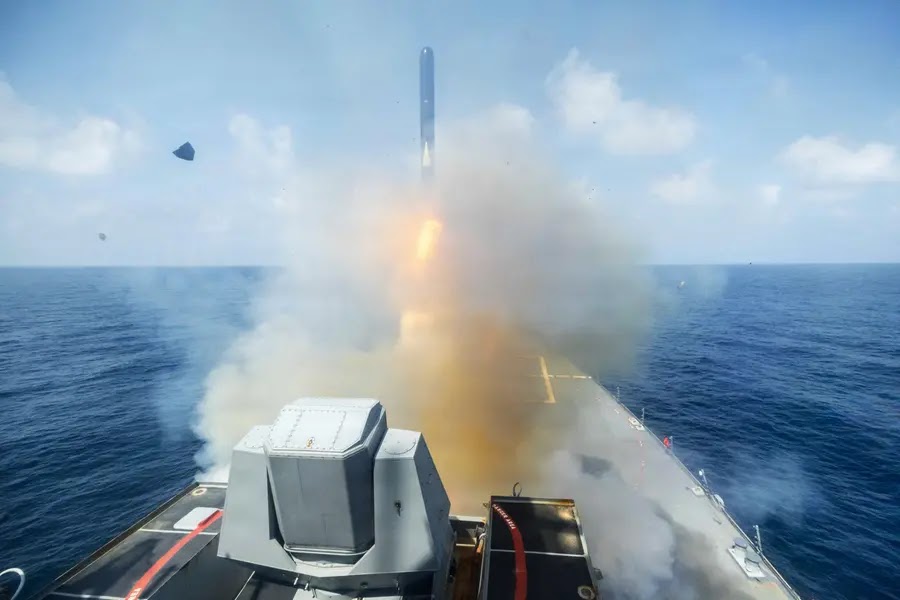
On March 4, 2026, during India's Holi celebrations, a US submarine torpedoed and sank the Iranian warship IRIS Dena in the Indian Ocean, off Sri Lanka's southern coast in international waters. The frigate was returning home after participating in the International Fleet Review (IFR) and MILAN-2026 exercise in Visakhapatnam from February 16 to 25, 2026. The attack killed over 80 sailors and left 100 missing. The ship was in international waters, outside India's Exclusive Economic Zone.
India's Involvement and Response
IRIS Dena docked in Visakhapatnam and received a warm welcome from India's Eastern Naval Command. The Indian Navy tweeted about the cultural links between the nations. The US guided-missile destroyer USS Pinckney was expected but cancelled participation. India has maintained stoic silence, rejecting claims that the Trump administration used Indian ports to launch attacks on Iran. The government framed its position as "responsible diplomacy."
Criticism and Opposition Reaction
Congress and other opposition voices heavily criticized the government. Congress spokesperson Supriya Shrinate tweeted: "PM Modi's compromise is putting India to shame. This cowardice is unacceptable. Where is our regional clout?" Former MP Jawhar Sircar questioned India's silence: "Has India become so spineless that it can't tell the US that it has no business to use its submarine to kill 80 sailors by sinking an Iranian ship that was returning from India after a Naval Exercise. That too, so perilously close to India?"
Expert Views
Defence expert Sandeep Unnithan said India was not at fault: "India can't be held responsible. They didn't ask for any help, escort or protection." He noted the Iranian captain should have sought shelter in an Indian port knowing Iran was at war. Lt General DP Pandey echoed: "Our watch gets over when the ship leaves territorial waters." Former foreign secretary Kanwal Sibal tweeted: "Our 'responsibility' is at a moral and human plane."
Strategic Implications
The incident is the closest the war has come to India. The ship was in waters part of PM Modi's MAHASAGAR vision for Indian Ocean stability. The US action near joint India-Sri Lanka patrol areas raises strategic concerns in Delhi. The opposition framed it as India ceding influence to the US and Israel.
TL;DR
- India blamed Iran for the attack on the merchant vessel Iris Dena in the Indian Ocean on March 4, 2026.
- The ship was returning from Visakhapatnam after participating in the MILAN-2026 naval exercise.
- The attack occurred off Sri Lanka's southern coast in international waters.
- A US submarine torpedoed and sank the Iranian frigate IRIS Dena.
- Over 80 sailors were killed and 100 went missing.
- The Indian Navy had welcomed the ship during its visit to Visakhapatnam.
- Opposition parties criticized the government for its silence on the incident.
- Experts stated India was not responsible as the ship was in international waters.
- The incident raised concerns about India's regional influence.
- The government described its position as "responsible diplomacy".